
Plastic stretch film has been the default for pallet packaging because it is thin, elastic, transparent and fast to apply. But industrial packaging is now under pressure to reduce plastic use and waste, and paper-based wrapping is becoming a real option in selected logistics flows.
Mondi and Swiss Krono provide a useful example. Swiss Krono introduced Mondi’s Eco/Vantage Kraft Pro and Ad/Vantage StretchWrap paper grades in a German operation to replace plastic shrink and stretch films used for laminate flooring packs and palletised loads.
Load stability comes first
A pallet wrap is not just a cover. Its job is to keep the load stable during handling and transport.

A paper alternative must therefore be tested for:
- load movement during forklift handling;
- resistance to vibration and sudden stops;
- puncture resistance at corners and edges;
- tension retention over time;
- operator speed and ease of use;
- visibility of labels and barcodes.
Because paper is not transparent, receiving and inspection routines may also need to change.
Paper can offer printability and light shielding
Paper wrap is not only a compromise. Kraft paper can be printed, which allows handling instructions, branding or product guidance to be placed directly on the packaging. It can also reduce product exposure and provide some light shielding for building materials, boards and flooring products.
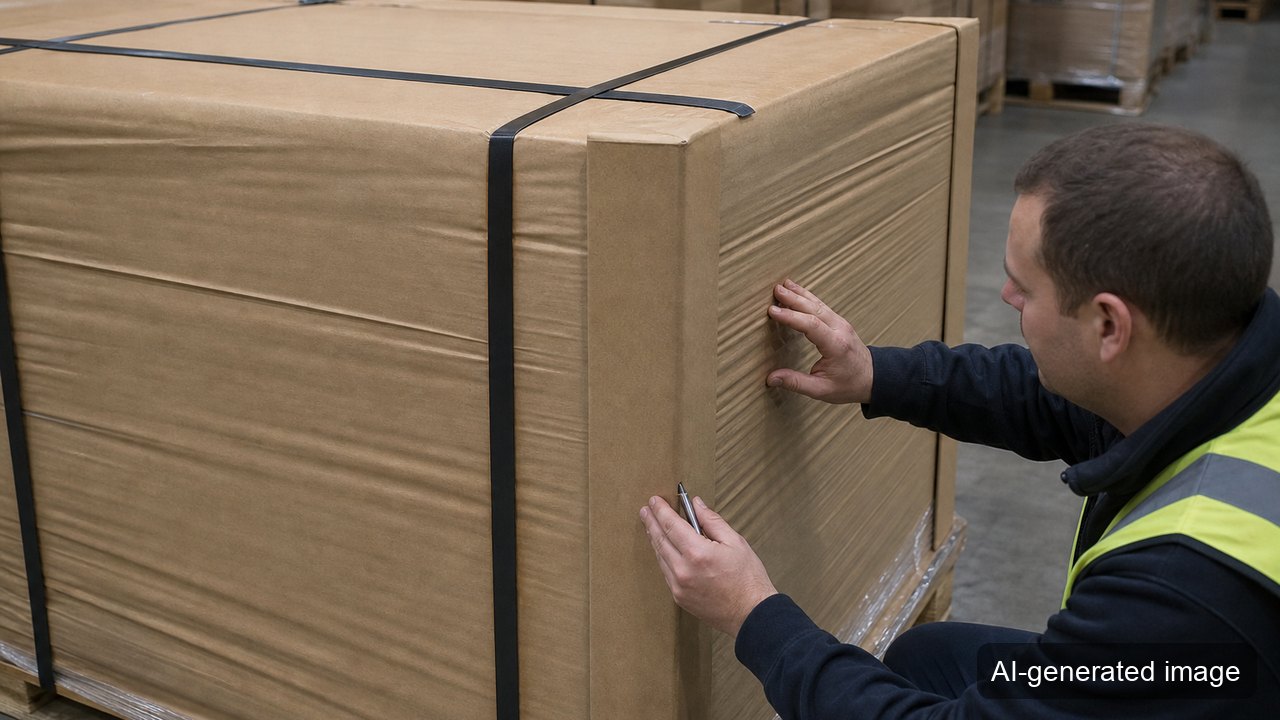
Those advantages matter when the load is regular, the logistics flow is controlled, and the buyer values lower plastic use or clearer recycling instructions.
Where paper pallet wrap fits best
The first candidates are usually regular boxed goods, indoor storage, controlled distribution, repeat shipments and products that can benefit from printed handling information. More difficult cases include irregular shapes, wet storage, outdoor exposure, sharp metal edges, very heavy loads and warehouse systems that require full visual inspection through the wrap.
Equipment settings can decide success
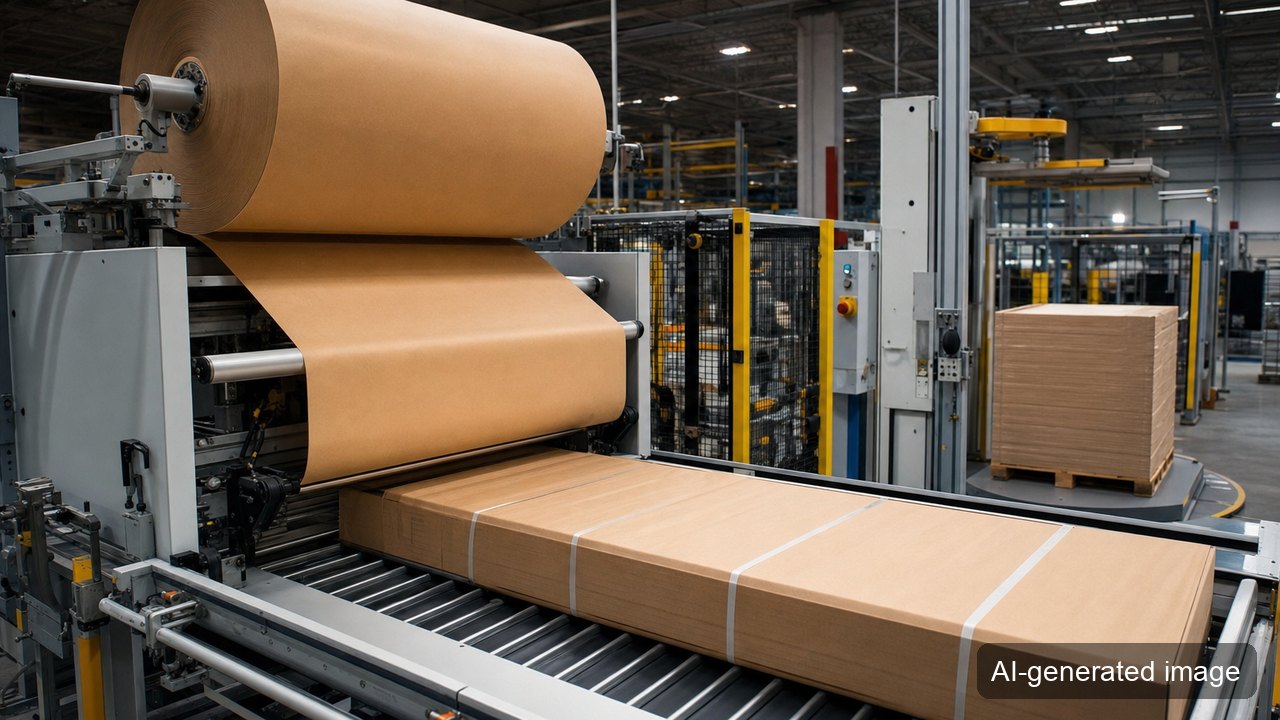
Switching to paper is not a drop-in material change. Wrapping tension, overlap, cutting, initial fixing and edge protection may all need adjustment. Paper generally behaves differently from plastic film, so using the same settings can lead to tearing or insufficient load containment.
Before switching, packaging teams should compare film and paper on material use, wrapping time, operator fatigue, edge protection needs, vibration performance, humidity exposure and recycling workflow.
Closing thought
Paper pallet wrap can reduce plastic in industrial logistics, but it must pass the operational test. The right use case combines regular loads, managed storage, proven wrapping settings and buyer-recognised recycling documentation.
The Mondi and Swiss Krono case shows that paper can move beyond bags and cartons into pallet load securing. The decision should still be made with load stability data, not only with a sustainability message.
About the Author
PackingMaster: Editor of Paper Pack Log. We track paper packaging market trends, product information and technical insights for packaging professionals.
References
- Pulpapernews, “Mondi supports Swiss Krono in transitioning from plastic to paper”, https://www.pulpapernews.com/20260609/17896/mondi-supports-swiss-krono-transitioning-plastic-paper