
Printing and bookbinding groups called for relief on November 19 over the printing-paper price cartel. The reported loss of more than KRW 520 billion is the groups’ estimate and claim, not a court-awarded sum. The Korea Fair Trade Commission’s April 2026 penalties of KRW 338.3 billion against six paper businesses are administrative sanctions, not money automatically paid to individual printers.
The operational problem
A printer’s purchase price depends on grade, basis weight, volume, contractual discounts, delivery date and freight terms. An industry-wide estimate cannot simply be apportioned to a single buyer. Unlike our earlier account of the April antitrust decision, this update focuses on the November relief demand and transaction evidence.

Evidence to check
The KFTC says the firms coordinated price increases between February 2021 and December 2024. November reports describe requests for compensation and a relief fund. A regulator’s decision does not itself establish any one buyer’s volume, overpayment or civil damages.
Practical output
Build a transaction-level ledger for supplier, paper grade, basis weight, quantity, contract and order dates, delivery, unit price, discount and freight. Link contracts, purchase orders, tax invoices, price-change notices and payment records to each line. This is an editorial evidence-organization suggestion, not a legal conclusion about a claim’s merits or value.
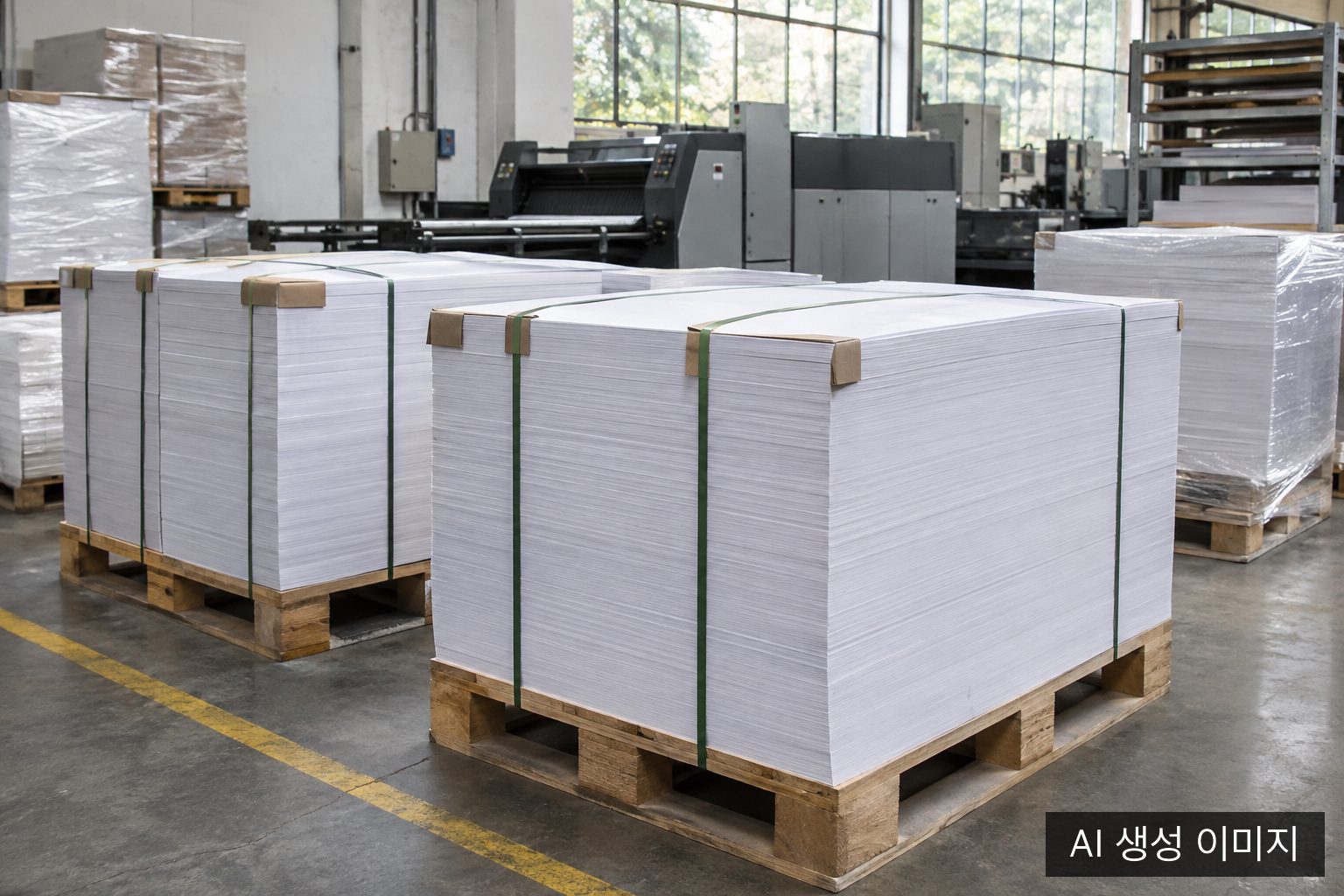
When to hold a conclusion
Check whether a buyer’s products and purchase period match the conduct at issue, and obtain case-specific advice on causation and procedure. Do not add or subtract the industry estimate and the regulator’s penalties to present a damages figure.
About the Author
PackingMaster: PaperPackLog editor covering paper packaging markets, products and technology.
References
- KFTC, decision on six printing-paper businesses
- News1, printing groups’ relief demand
- NewsPim, proposed relief fund
Checked November 21, 2026. Industry estimates and administrative penalties serve different purposes.