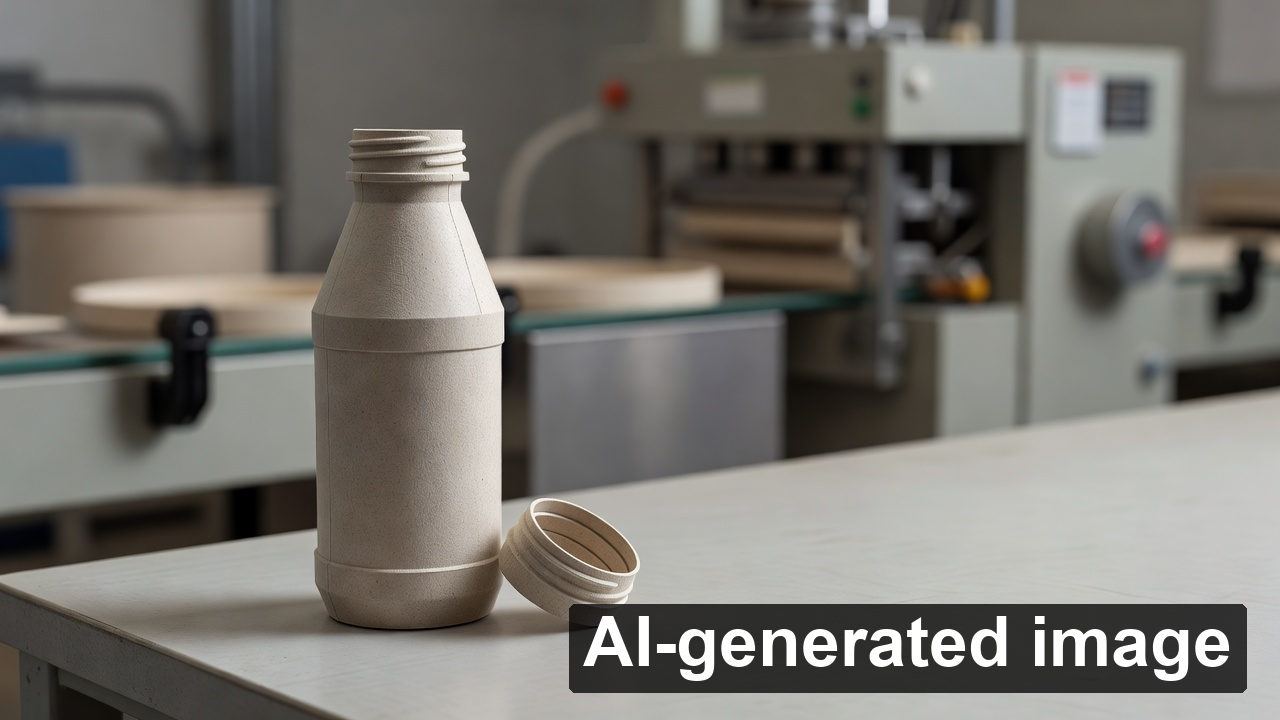
A September 27 English-language rewrite at Inkorr says Pulpex has opened a Glasgow paper-bottle plant and begun large-scale manufacture of water bottles. The linked Ukrainian-language source displayed a security check in the verification environment, so its text could not be checked directly. Inkorr’s retelling and that original must not be counted as two independent site reports.
The directly accessible official record establishes a different stage. In a February 19, 2025 announcement, the UK’s National Wealth Fund described financing construction of a first commercial-scale facility near Glasgow, with planned capacity of 50 million bottles a year. That is not measured current output. Inkorr’s figure of roughly 40 million a year is likewise a secondary capacity claim, not a verified production or sales total. The figures do not by themselves show a capacity reduction or actual shipments.
What falls between “plant opened” and “customers supplied”?
An investor’s construction plan, a secondary outlet’s opening claim, and a manufacturer’s product-launch notice are different events. In its September 21 post, Pulpex says a wood-pulp-fiber laundry-detergent bottle created with Smol will be available later this autumn. That post alone does not establish a September commercial-start date or output for the Glasgow line, nor does it verify retail deliveries of a water brand.
Which site forms, fills and ships a specific water bottle, and when, still requires product-specific evidence. A product announcement should not be converted into paid commercial dispatch from a particular plant when evaluating supply capacity.
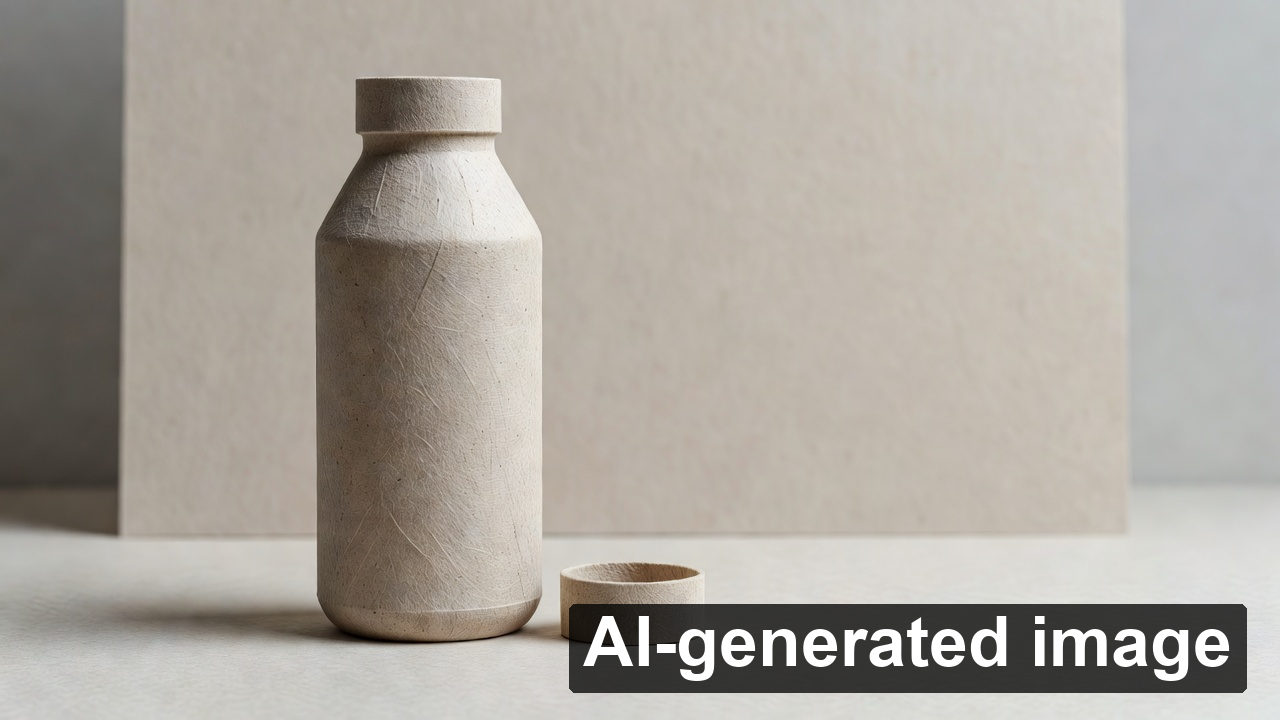
Check the fiber body, inner barrier and cap separately
The investor describes Pulpex’s fiber bottle as designed for household paper/card recycling and “free from hidden plastic.” This is the investor’s description of the company’s technology, not a disclosed component bill or independent collection test for every beverage and detergent SKU. The inner barrier composition, leakage and shelf-life performance after filling, and local collection route must be assessed for each product. The liner proportion quoted in the secondary rewrite was not verified against a primary specification and is not treated here as an established bill of materials.
Pulpex’s own Smol detergent-bottle notice instructs users to remove a plastic dosing cap before placing the body in paper/card recycling. “Paper body,” or a design intended to replace a conventional PET/HDPE bottle, therefore cannot become a plastic-free guarantee for every component of every product. Do not assume a water-bottle and a detergent-bottle share identical barriers or closures.
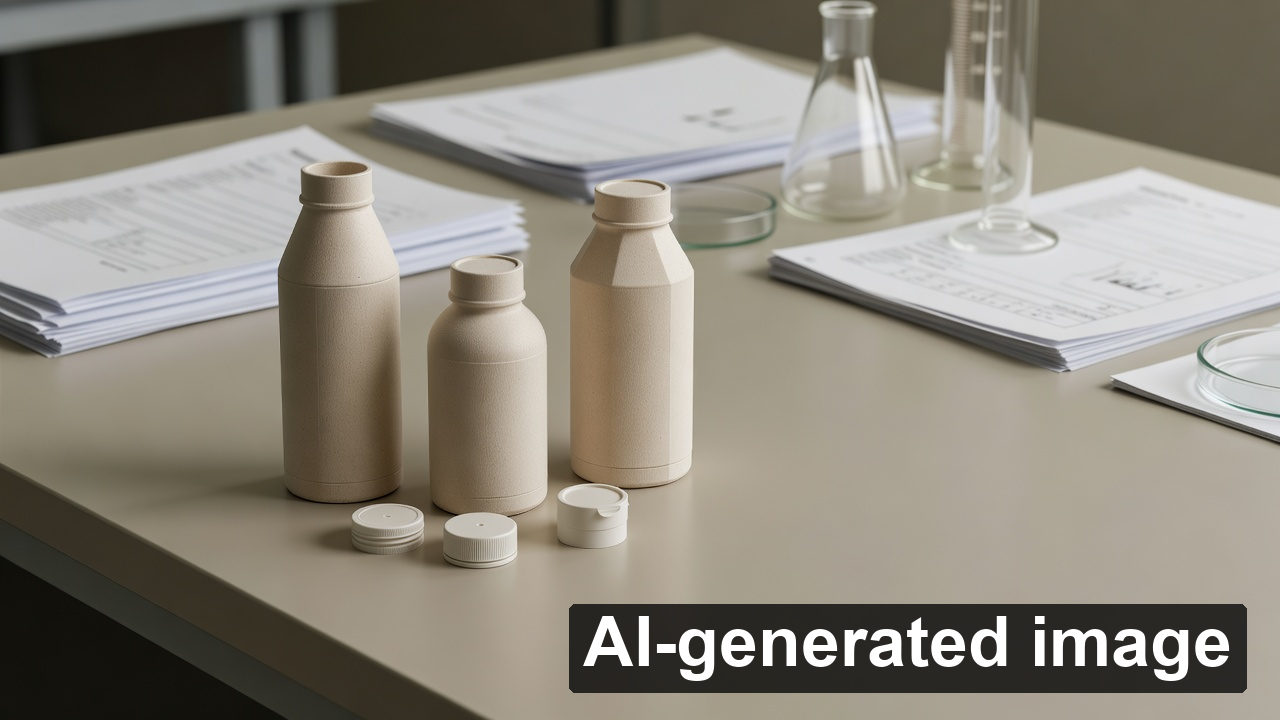
Records to request before relying on commercial supply — editorial framework
- Facility status: Separate construction completion, commissioning and commercial-production start dates. Distinguish planned annual capacity from units actually shipped.
- Product specification: Check body, internal barrier, closure materials and disassembly instructions for the actual water or detergent SKU.
- Validation evidence: Seek product-specific leakage and shelf-life data, filling and transport conditions, and collection availability in the sales region.
- Shipment evidence: Ask for actual delivered lots and repeat orders before rating dependable supply.
This is editorial due diligence, not a legal pass criterion or a report of product test results. A 2025 investment announcement, a September 2026 product notice, and a September 27 rewrite do not together prove construction, production and shipments as one completed event. Until further primary evidence appears, neither verified commercial deliveries nor an all-components-plastic-free bottle should be asserted.
About the Author
PackingMaster: PaperPackLog editor, covering packaging materials, market developments and practical technical guidance for the paper-converting industry.