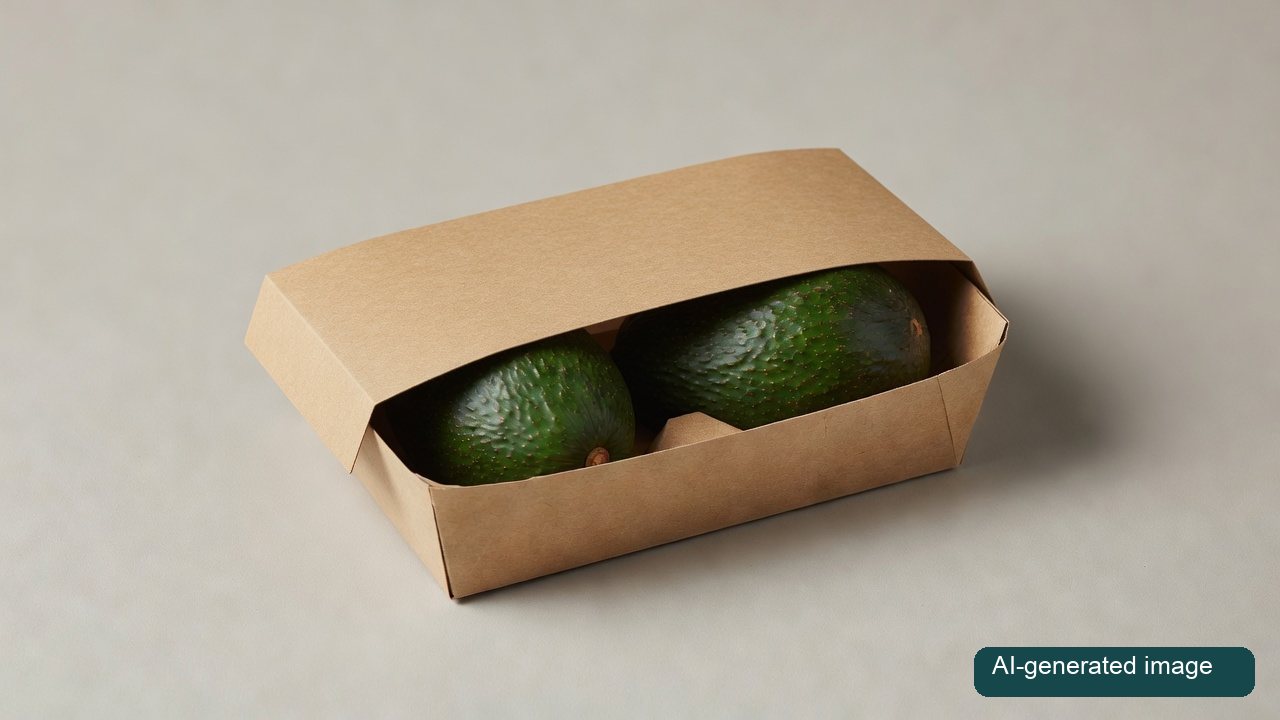
Could a two-fruit pack avoid being completely enclosed in clear film by using a label-like lid over a tray instead? On October 2, 2026, Packaging News reported that Ravenwood Packaging had helped fresh-produce business Minor, Weir and Willis replace non-recyclable pre-printed flow wrap on a twin-pack of ready-to-eat Coop avocados with a linerless fruit lid. That establishes a reported conversion for one named pack, not performance across all fruit or independent verification that the entire new pack can be recycled.
The cover and diagrams below are AI-assisted conceptual illustrations, not photographs of the Coop package or trials.
Keep the Coop case separate from the manufacturer’s general product description
The Packaging News account identifies the Coop twin pack, the previous flow wrap and the replacement fruit lid. It says development took around six months from concept to production, with packaging, machinery, technical, operations and commercial teams involved in design development and transit trials. Reflex Group, described in the report as a UK-approved linerless printer, printed the lid. “Approved” here describes the printer’s status in the article; it is not a food-safety or recyclability certification for the complete pack.
Separately, Ravenwood’s product gallery says its Fruit Lid applied to a carton-board tray forms a complete pack for fresh produce. Its assertion that the concept replaces plastic flow wrap and single-use plastic bags describes the company’s general proposition. But the reviewed Packaging News story does not provide the Coop pack’s tray specification, label coatings or adhesive structure. Combining the two pages does not establish that every component of the actual Coop pack is pure paper or accepted for collection in every locality.
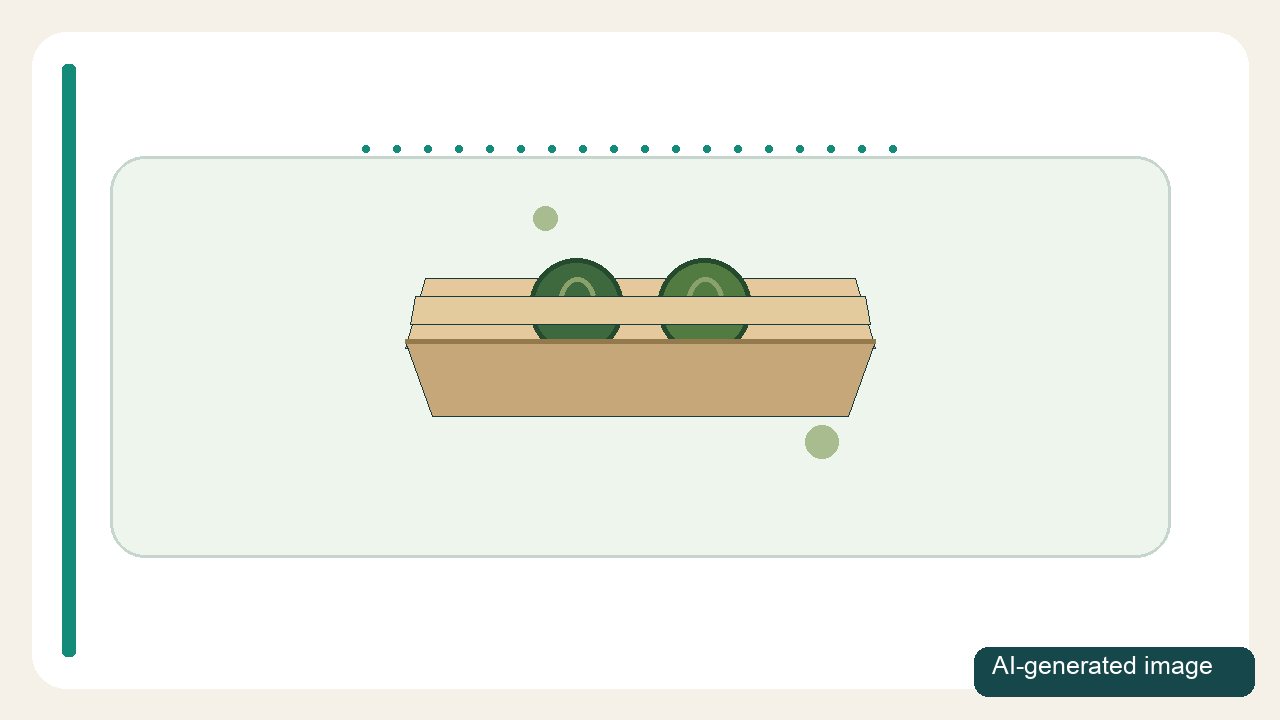
AI-assisted concept illustration · the relationship between tray and lid, not a measured drawing of the Coop product.
Having transit trials is not the same as publishing a pass result
The report explicitly says transit trials formed part of the project. Neither the reviewed news account nor the manufacturer gallery gives the routes or duration, number of repetitions, vibration/drop conditions, fruit damage rate, lid detachment rate, acceptance criteria or comparative control results. A reported trial alone cannot establish a pass or protection under every distribution route.
The article also says production speed was not the main objective. Its account of positive retailer and consumer response is attributed to Ravenwood, with no independent survey figures or production-line throughput data. Anyone considering a similar lid still needs to assess their own fruit sizes, trays, applicator and distribution route.
The following are editorial due-diligence questions, not the project’s published test protocol:
- Components: Have the actual tray stock and surface treatment, label substrate, adhesive, ink and food-contact surfaces been documented separately?
- Transit: Have lid retention and fruit damage been compared under the buyer’s shipping case, stacking, temperature/humidity, vibration and drop conditions?
- Equipment: Have the actual application and inspection speed and rework rate been recorded on the intended line?
- Decision: Were the acceptance criteria and retest procedure fixed in advance? The reviewed account does not publish those values or results.
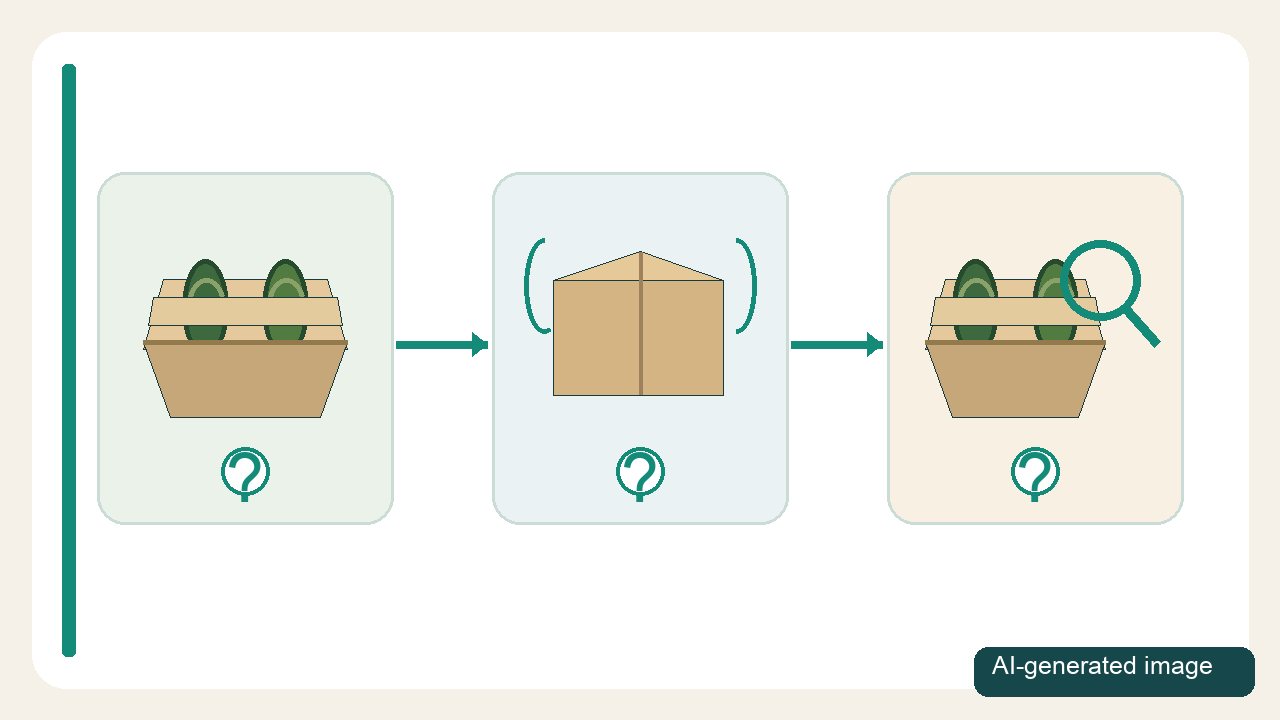
AI-assisted concept illustration · a proposed condition check, not Ravenwood’s test rig or a passed test.
Who says the pack is “100% kerbside recyclable”?
In its gallery, Ravenwood calls the complete pack formed with its Fruit Lid and carton-board tray “100% kerbside recyclable.” This is a manufacturer’s marketing assertion, not an independently verified certification, local collection rule or component-by-component assessment of the particular Coop retail pack in the two reviewed pages. UK kerbside collection is not equivalent to collection everywhere or to Korean sorting rules. Acceptance may depend on locality, collector, actual tray and label materials, and food contamination.
An adoption decision should begin with the actual retail pack’s component specification and the rules of its destination collection system. Removing one wrap and establishing that an entire alternative pack is recyclable everywhere are different propositions. The two reviewed pages do not supply quantified material savings, a recycling test report or evidence of acceptance in Korean collection systems. That is a limit of the public evidence reviewed here, not a finding that the pack cannot be recycled.
Ask the supplier today for the real component bill of materials, destination-specific collection evidence and a transit-test report matched to your distribution conditions. Close the decision with those documents and a local trial, not the case description alone.
About the Author
PackingMaster: Editor of Paper Pack Log. We collect and organize market trends, product information, and technical insights for the paper packaging industry.