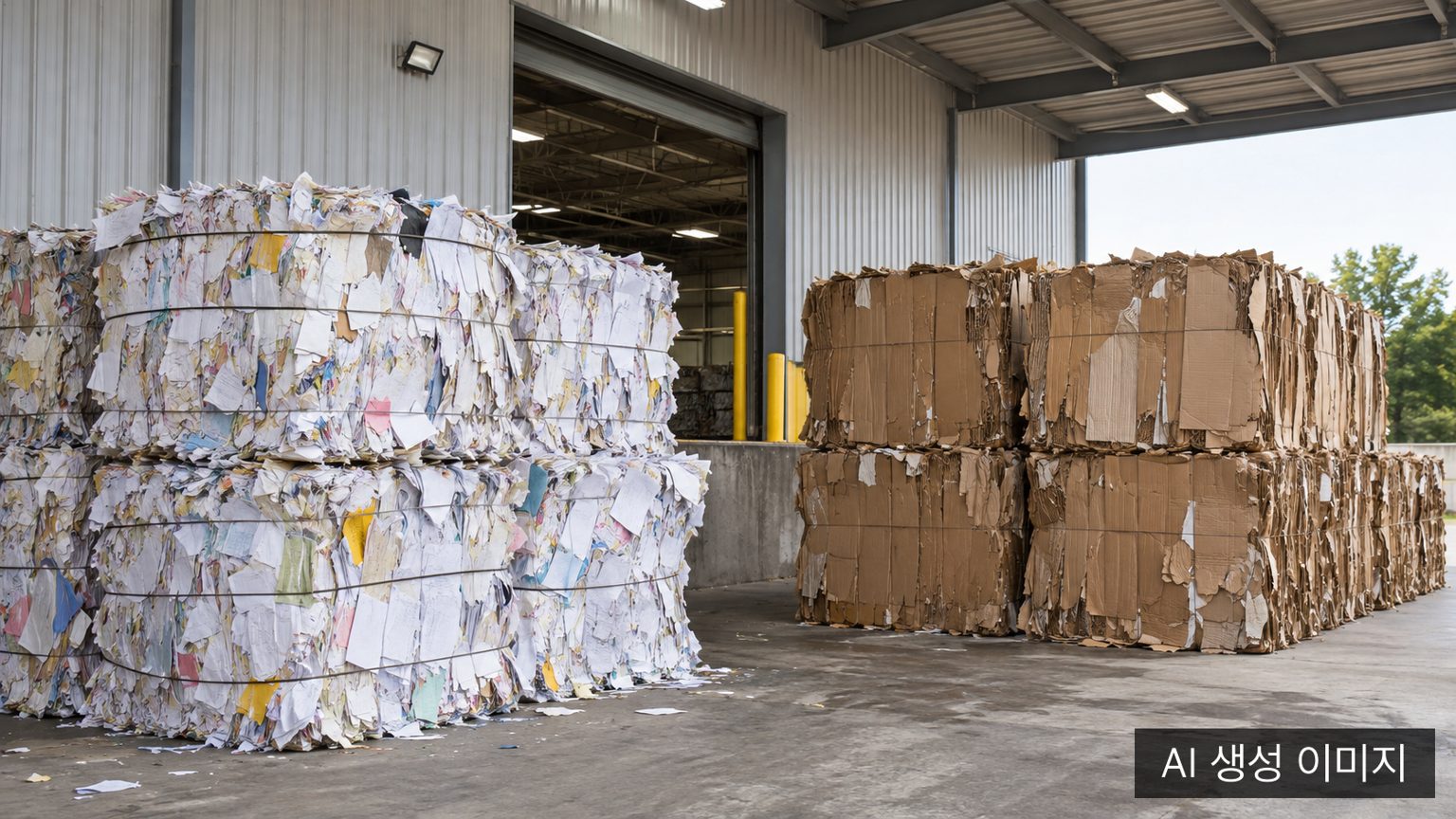
When recovered-paper prices and supply change, mills may consider more mixed paper in place of OCC or alternatives to sorted office paper. Speakers covered these shifts and price-driven furnish changes at an October industry conference, reported by Packaging Dive on November 20. A price gap alone does not approve a grade substitution. Intake quality and finished-sheet performance still need checks.
Specify the grade in the contract
Names such as OCC, mixed paper and SOP describe material streams, not a guarantee for each bale. ReMA’s 2026 paper-stock guidelines call for the grade, agreed deviations, quantity, packing and inspection terms to be specified in the transaction. These US trade guidelines can inform a purchase specification but are not Korean legal thresholds.

Four intake questions
First compare the contracted grade with actual bale composition. Check plastics, metal, wax, laminates, moisture and other process-incompatible material. Compare fibre length, fines, ash and strength-related properties with the product requirement. Finally record variation by lot and supplier; document where and how many samples were taken so an average does not hide outliers.
Trial and approval
Keep the existing furnish as the baseline. Start at a limited substitution rate and compare pulping and screening load, yield, breaks, strength, surface and print properties, drainage and reject volume. Cost should include defects, sludge, chemicals and energy as well as purchase price. If specifications fail, do not increase the rate until intake terms or process settings are reviewed.
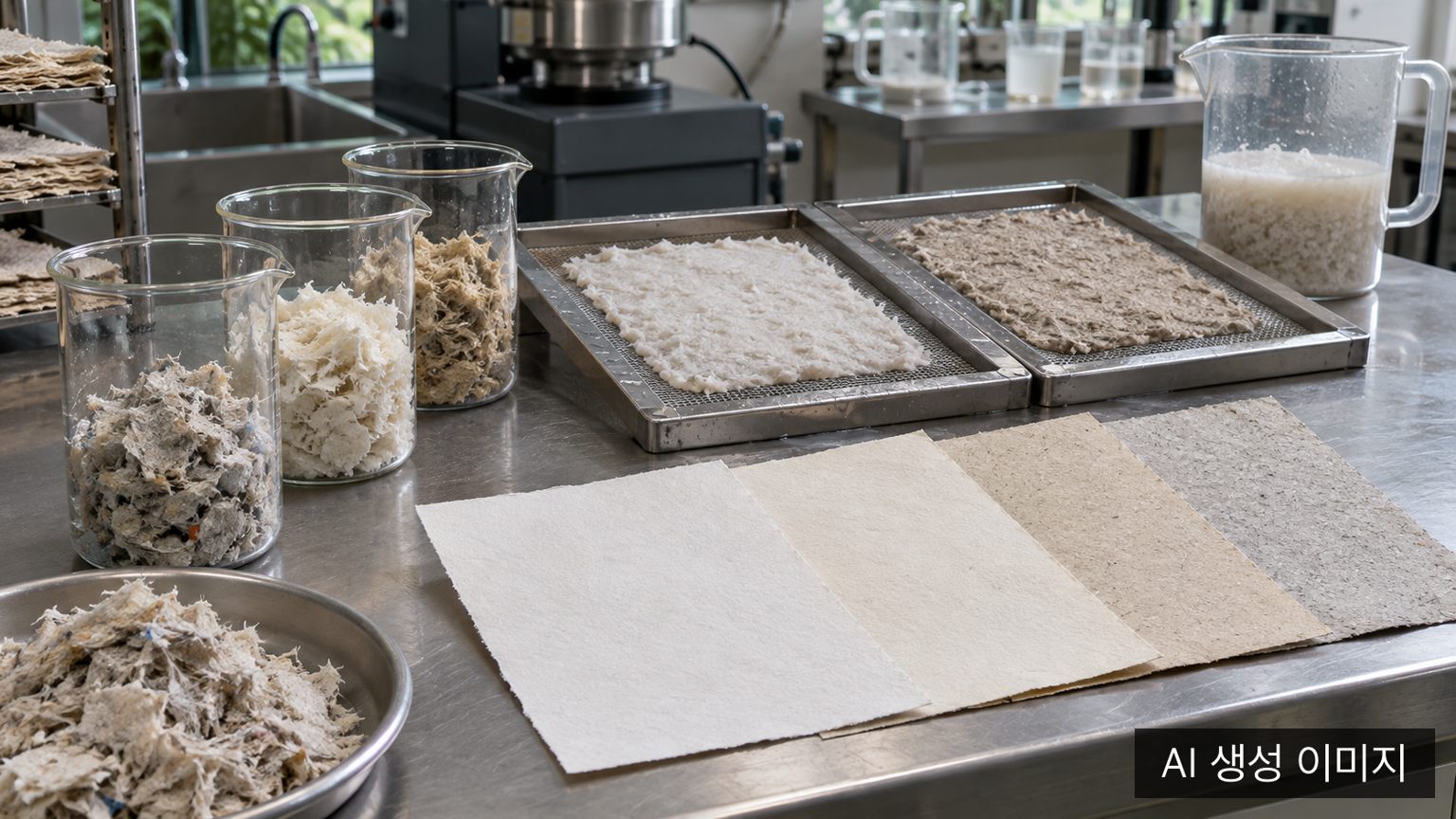
Decision boundary
US conference observations are not permission to change any particular Korean mill’s recipe. Contract terms, product specifications and site trials determine the acceptable grade and blend.
About the Author
PackingMaster: PaperPackLog editor covering paper packaging markets, products and technology.
References
Checked November 22, 2026. US market observations are separate from local qualification.