Operational problem
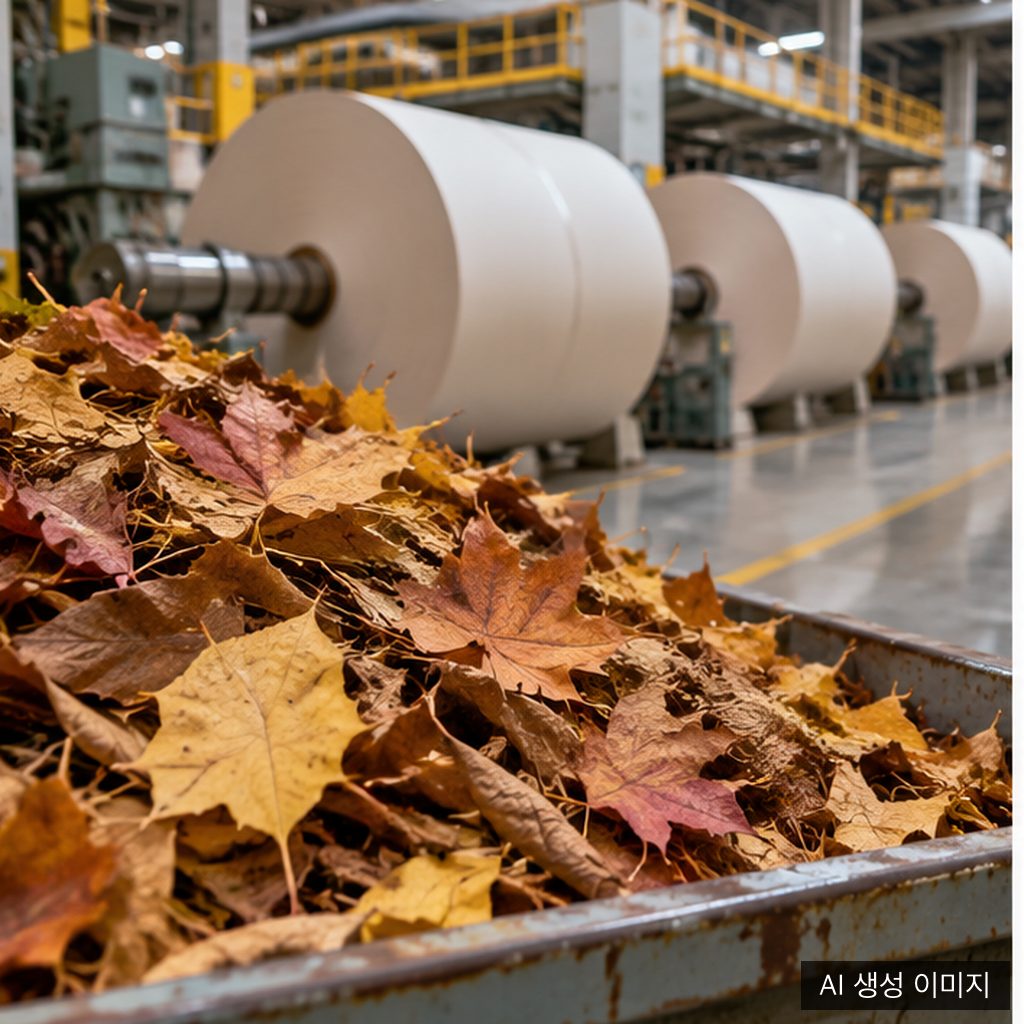
Releaf is developing leaf-derived fibre and filler for paper and packaging. In a November 6 Tech.eu interview, its founder described a shift from selling raw fibre toward producing paper with existing mills for converters. The route aims to validate the material inside established production and customer networks without building a new paper mill. Partnership and trial claims in an interview are not proof of mass production across all grades.
Evidence to request
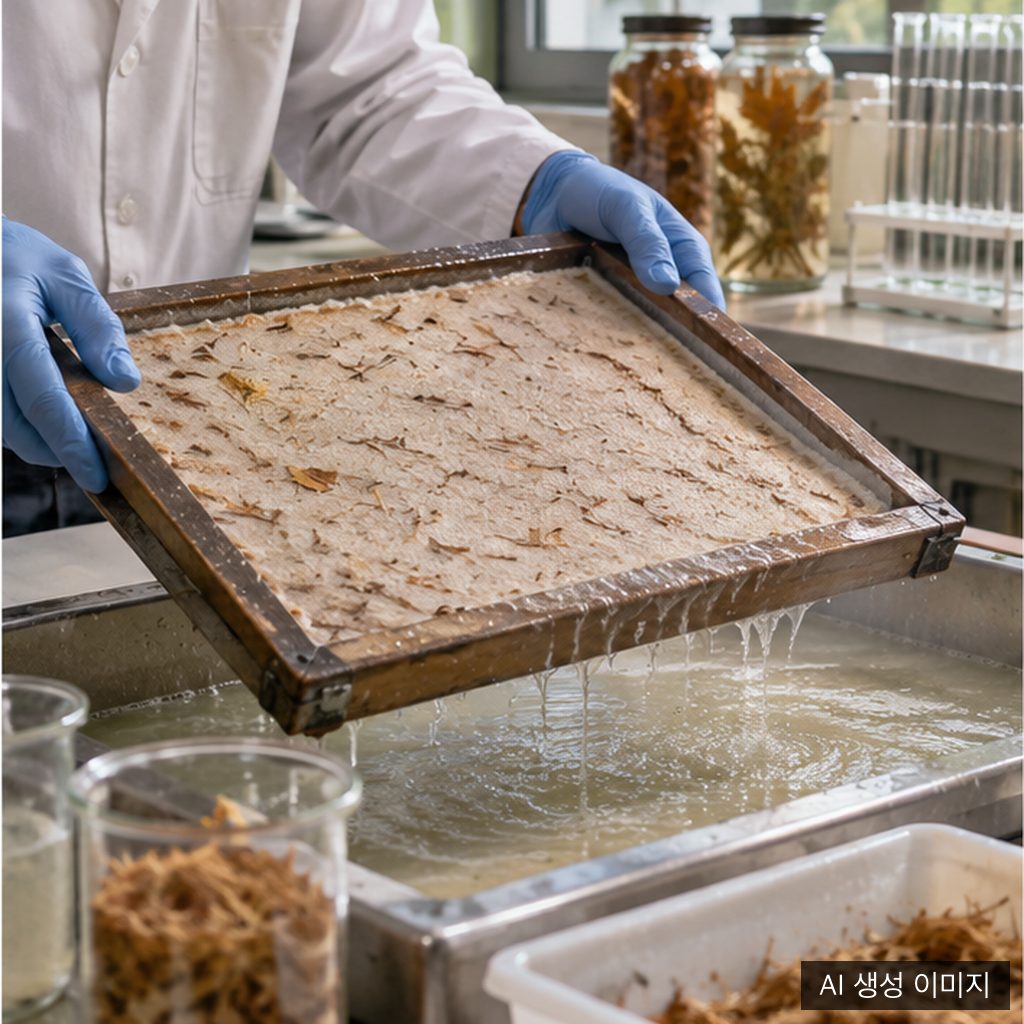
The company’s catalog marks white and brown paper and kraft routes as sample-available, while its testliner route is “trial required.” A corrugated trial needs basis weight, ECT and converting-condition data. The Tech.eu interview describes two processing routes: dry mechanical preparation for filler and chemical/thermal treatment plus refining for short fibres. It would be inaccurate to imply that untreated leaves go straight into a paper machine.
Practical deliverable
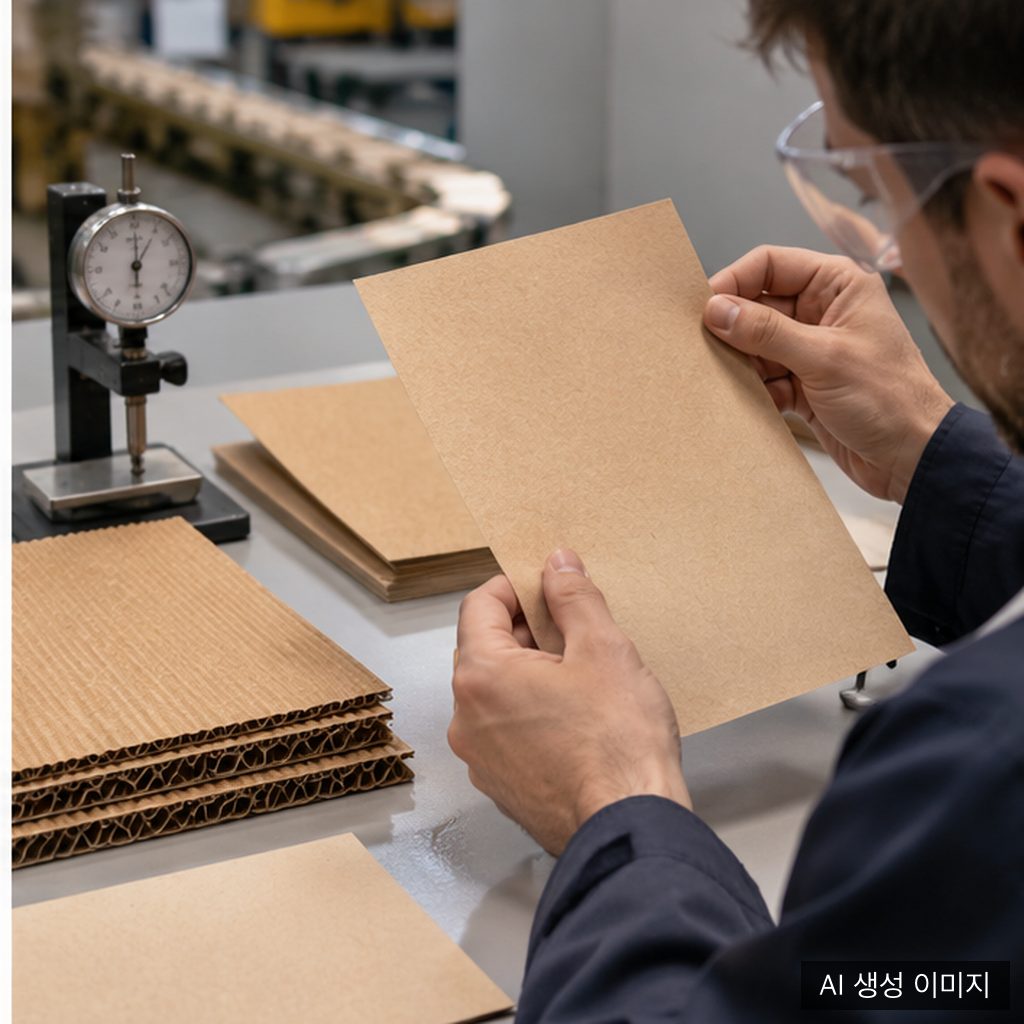
Use four gates: sample composition, basis weight, print and adhesive properties; paper-machine runnability and waste rates; converter printing and box-making; and seasonal feedstock plus repeat-delivery evidence. Record lots, test conditions, independent reports and cost against incumbent grades at each gate.
Hold conditions
Do not claim a commercial substitution rate for corrugated testliner without mill and converter trials and repeat-delivery records. This piece concerns paper made through existing mills and converters, not a molded non-wood package.
About the Author
PackingMaster: PaperPackLog editor covering the paper packaging industry through public evidence and practical procurement, quality, and operations questions.