Operational problem
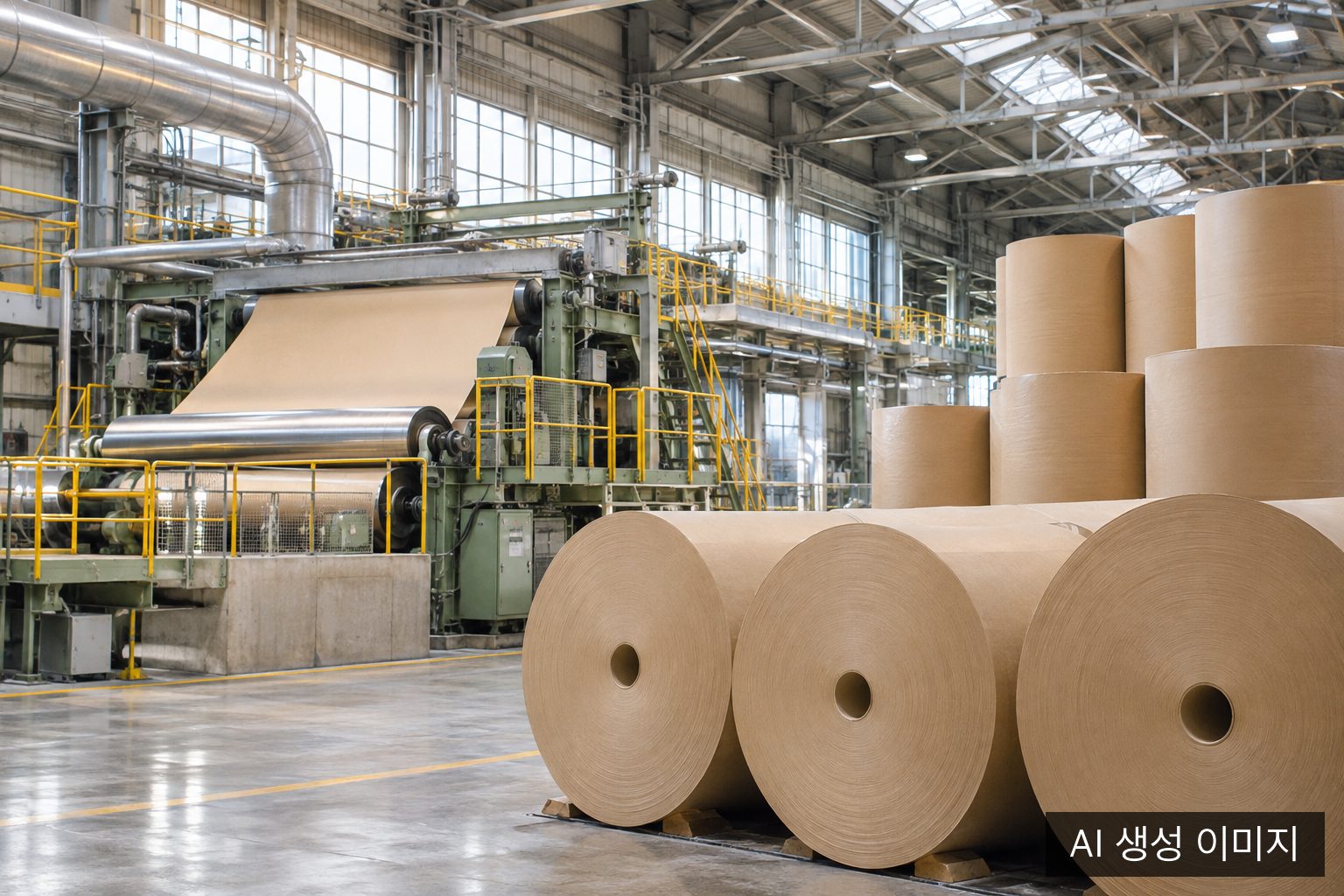
Japan’s Rengo resolved on November 5 to absorb its wholly owned subsidiary Daiko Paper. The planned effective date is October 1, 2027, with Rengo as the surviving company. The notice does not say Daiko has already ceased to exist. Kraft-paper buyers should separate today’s order, invoice and quality-claim counterparty from the entity expected after the effective date.
Evidence to request
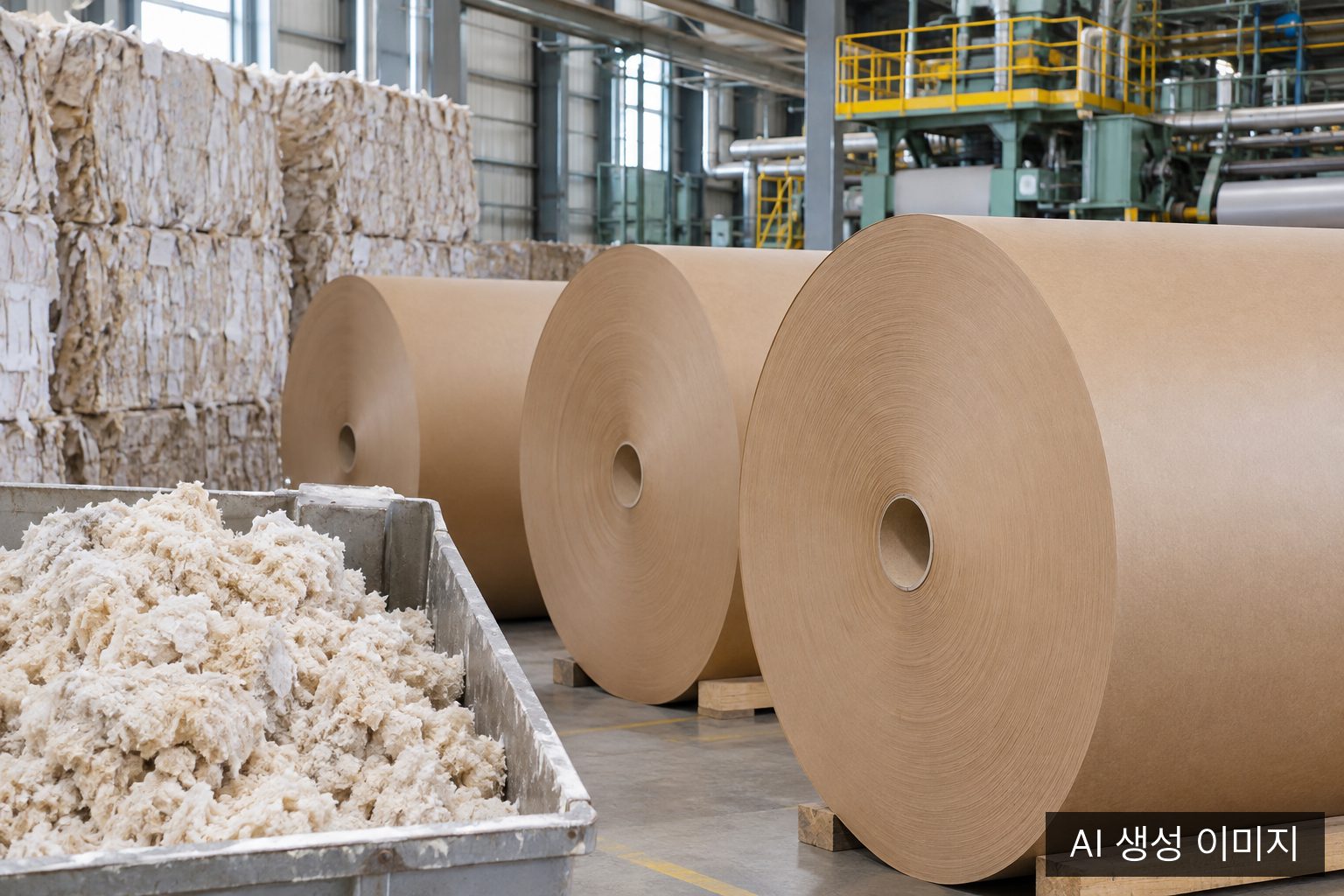
The filing lists Daiko’s business as kraft pulp, kraft paper and specialty paper manufacturing and sales, and describes resource consolidation and efficiency as the rationale. No shares are allocated because the target is wholly owned. It does not settle customer-specific prices, grades, plant allocation or contract-administration steps. The date remains planned; check registry and supplier notices.

Practical deliverable
A counterparty-change sheet can record the current legal entity, contract ID, open orders, warranty and claims contact, and invoicing entity around the effective date. Verify any payment-detail change through a separate secure supplier channel. Procurement should reconcile official supplier notice with contract terms, and change price only on a separate quotation. This is an editorial purchasing checklist.
Hold conditions
Do not unilaterally switch the order counterparty before effective-date confirmation and instructions for contracts, orders and quality contacts. The merger notice alone does not establish supply or price changes.
About the Author
PackingMaster: PaperPackLog editor covering paper packaging through public evidence and practical procurement, quality and operations questions.