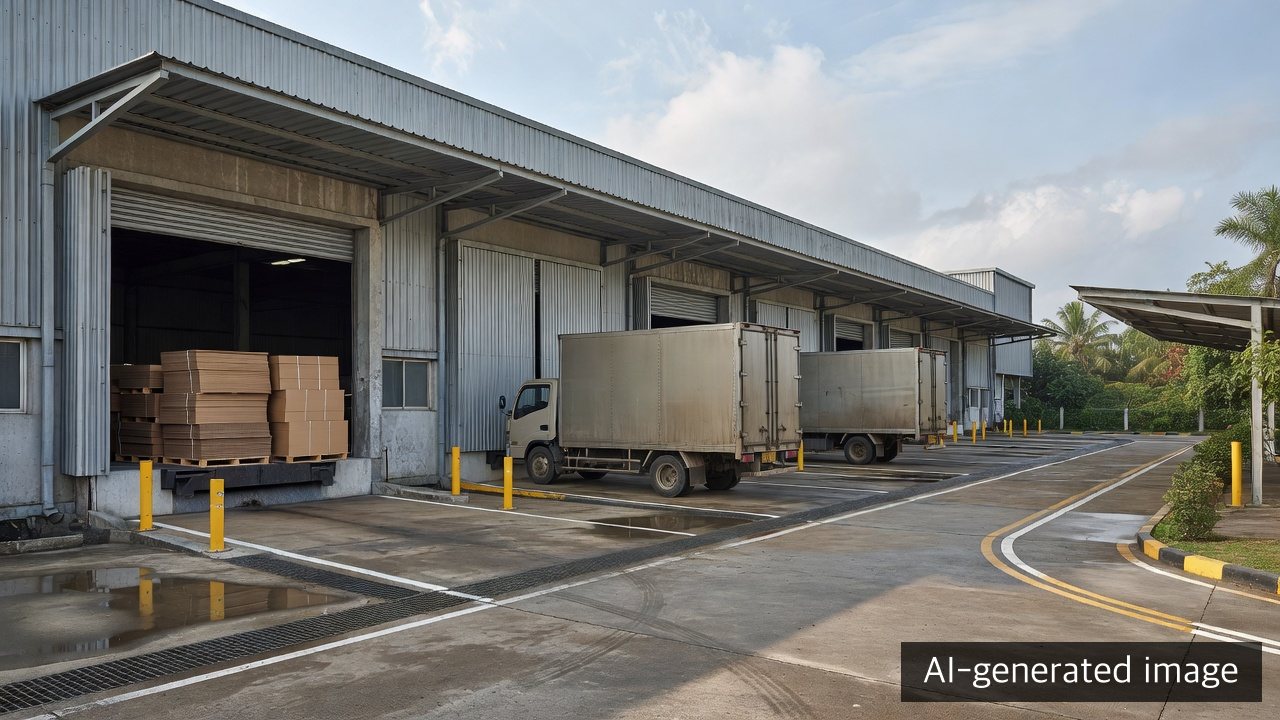
On September 17, 2026, Rengo announced that its Thai joint venture, Thai Containers Group Co., Ltd. (TCG), had decided to acquire a 90% interest in local corrugated producer Jin Zhong Fa Paper Industrial. The target operates one corrugated plant in Chonburi. Once the transaction is reflected in the network, the number of corrugated plants operated by the Rengo Group through TCG in Thailand is set to rise from 15 to 16.
“Acquisition” in the headline is shorthand for the announced transaction. The official release says that TCG will acquire the interest; it does not provide an exact completion date. This article therefore does not assume that closing or commercial supply from an integrated network has already occurred.
For buyers, the announcement does not establish that Thailand’s available corrugated capacity has immediately increased. The more defensible interpretation is that there is now a reason to investigate one additional Chonburi site as a potential local source. Capacity, customers, product mix, and pricing were not disclosed, so a higher site count must not be converted directly into claims of shorter lead times or lower costs.
What the announcement establishes
Rengo’s official release directly supports the following facts:
- TCG has decided to acquire 90% of Jin Zhong Fa Paper Industrial.
- The target owns one corrugated plant in Chonburi and manufactures and sells corrugated products.
- Through TCG, the Rengo Group currently operates 15 corrugated plants, three flexible-packaging plants, and one heavy-duty-packaging plant in Thailand.
- The transaction will take the Thai corrugated network to 16 plants.
- TCG’s shareholders are listed as Rengo at 30% and SCG Packaging at 70%.
- The announced ownership structure for the target is TCG at 90% and Power Pillars Co., Ltd. at 10%. Power Pillars is described as a holding company of the existing investor.
The 90% figure does not mean that Rengo is directly acquiring 90% of the target. TCG is the acquiring entity, while Rengo owns a 30% interest in TCG as a joint-venture partner. Omitting the Rengo → TCG → target structure can blur the distinction between a direct Rengo acquisition and an acquisition by its Thai joint venture.
A September 18 LOGISTICS TODAY article repeated the planned 90% acquisition, the single Chonburi plant, and the expansion from 15 to 16 Thai corrugated sites. It is, however, a secondary summary of the Rengo announcement. It does not provide separate evidence of plant capacity or customer allocation.
What “16 sites” does—and does not—mean
A site count describes the breadth of a network, not its available output. The three sets of figures in the announcement answer different questions.
- 90% — the interest in the target that TCG has decided to acquire.
- 30% and 70% — Rengo’s and SCG Packaging’s respective interests in TCG.
- 15 to 16 plants — the change in the number of Thai corrugated sites, not a percentage increase in production capacity.
The public material does not state the target plant’s capacity, equipment, utilization, product specifications, print and converting scope, or customer allocations. It also does not disclose the purchase price. The announcement therefore does not establish that:
- a buyer’s specific corrugated specification can be made at the Chonburi plant;
- existing orders can be transferred freely from another TCG plant;
- lead time or freight cost will fall;
- spare capacity is available for immediate shortage coverage;
- local production also means that all paper inputs are locally sourced; or
- a particular customer will receive better pricing or delivery performance.
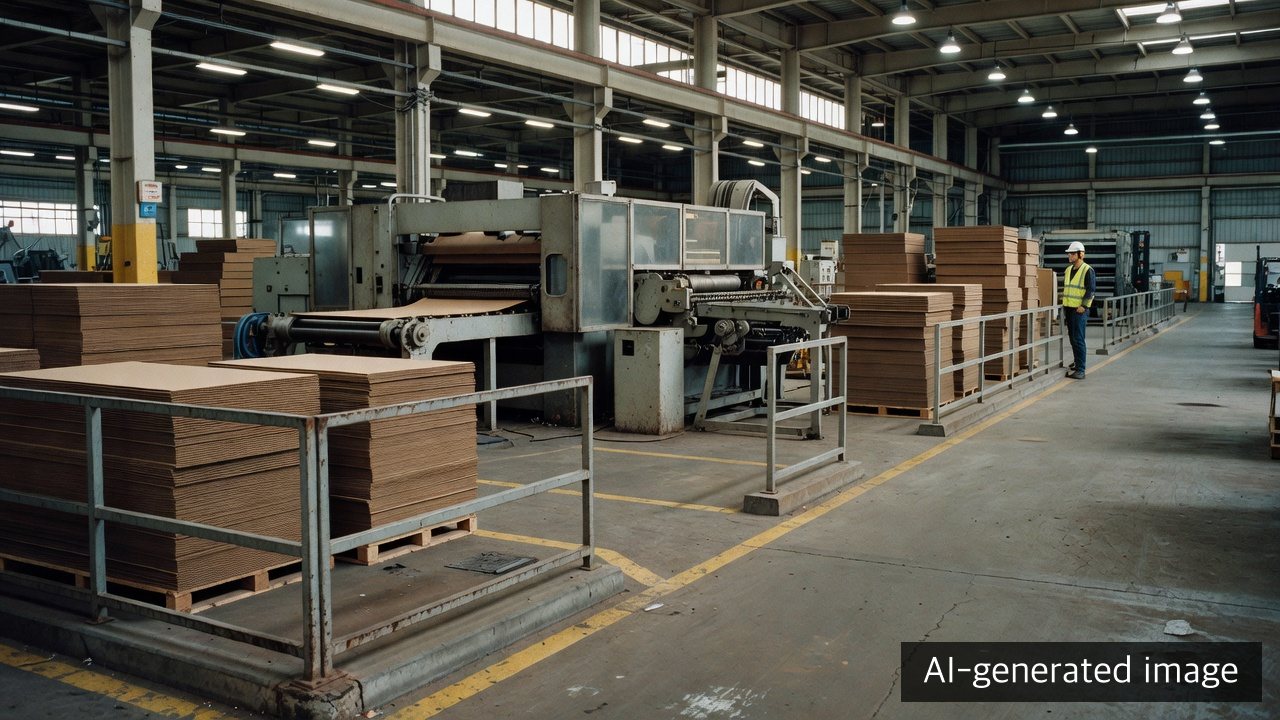
Local sourcing starts with item-to-plant mapping
For this article, local sourcing means more than the presence of a factory in Thailand. A site becomes a usable source only when the buyer confirms which legal entity and plant will manufacture the item, which process and specification apply, and which approvals are required before shipment.
A sourcing team can convert the announcement into four separate qualification gates.
1. Confirm the transaction and plant identity
Confirm whether the share acquisition has closed, its effective date, the operating legal entity, and the manufacturing address. The public release does not provide a closing date or a date on which integrated commercial supply will begin.
The minimum evidence is the legal-entity name, manufacturing-site address, transaction-status confirmation, and named quality and commercial contacts. A corporate profile alone does not establish the actual production location.
2. Map the item to the process
For each item, provide the required board construction, flute, dimensions, printing, joining, and downstream converting requirements. Obtain written confirmation of what the Chonburi plant can perform.
These are editorial due-diligence fields, not published specifications for the target plant. “Manufacture and sale of corrugated products” must not be interpreted as evidence that every board grade, print process, or converting format is available.
3. Complete sample and quality approval
A statement that a product can be made is not a production release. Link specification review, samples, any required print or converting trial, inspection results, and customer change approval.
Buyers should also ask when and to what extent quality systems used elsewhere in the TCG network will apply at the target plant. The reviewed material does not disclose an integration timetable or a plan for transferring certifications.
4. Verify available capacity and commercial terms
Adding one plant does not prove that open capacity is available for a new order. Verify item-level available capacity, minimum order quantity, standard lead time, paper sourcing, delivery terms, quotation validity, and the feasibility of approved alternate production.
“Made in Thailand” and “made from Thai-origin inputs” are not the same claim. The announcement does not identify the source of linerboard or fluting. If the sourcing policy includes local-content or input-origin requirements, obtain separate evidence in addition to the manufacturing-site confirmation.
A minimum evidence ladder for procurement
Instead of moving the supplier directly to “approved,” procurement can manage four distinct states.
- Watch list — The announcement has been reviewed, but closing, the relevant item, and responsible contacts remain unconfirmed.
- Candidate source — The manufacturing entity, plant, and documented capability for the buyer’s item have been identified.
- Conditionally approved — Samples or trials have passed, but pricing, capacity, customer approval, or continuity conditions remain open.
- Approved source — Quality, commercial terms, available capacity, change control, and continuity evidence have all been accepted.
This is not a TCG or target-company program. It is a general editorial procurement framework for converting a site-count announcement into a traceable sourcing decision.
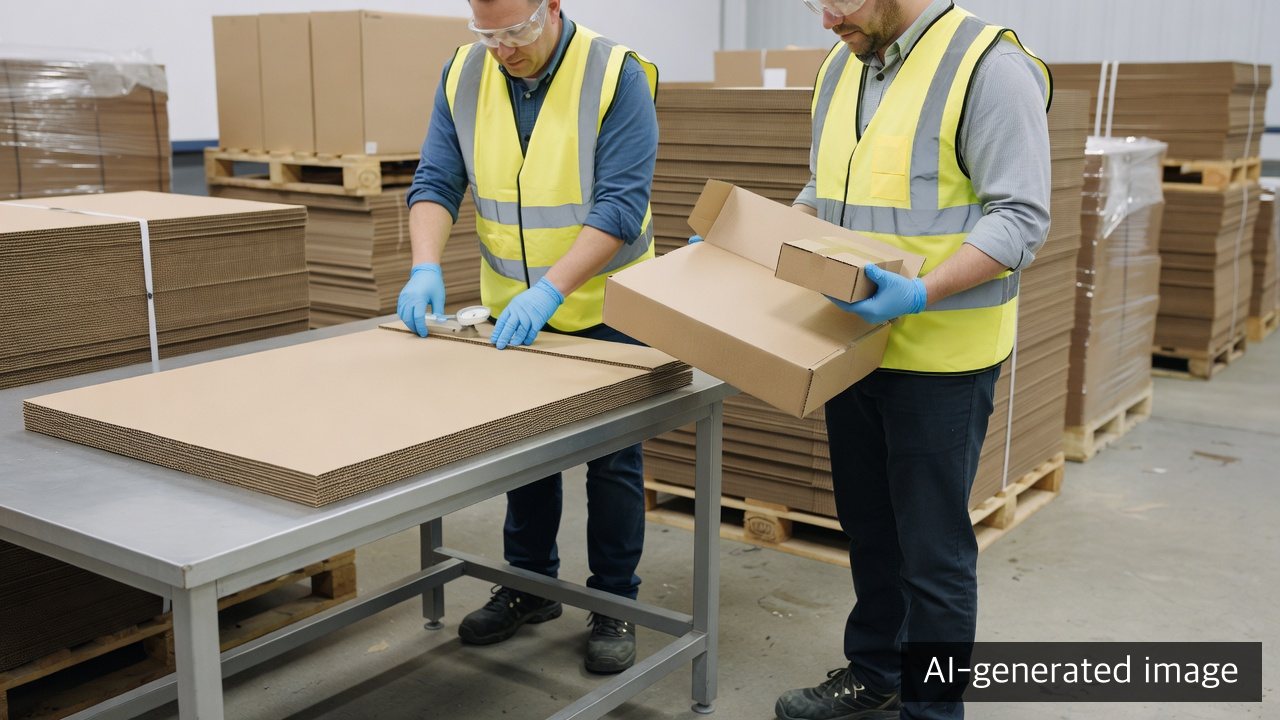
Eight questions to send the supplier
- Has TCG’s acquisition of the Jin Zhong Fa Paper Industrial interest closed? Please provide the completion or effective date and identify the current plant-operating entity.
- What is the exact manufacturing address of the Chonburi plant, and who are the quality and commercial contacts?
- Can the plant produce each of our item codes with the required board construction, flute, dimensions, printing, joining, and downstream converting?
- What weekly or monthly capacity is available for those items, and what are the minimum order quantity and standard lead time?
- What samples, production trials, quality records, and customer change approvals are required before commercial release?
- From which regions are the principal paper inputs sourced, and what approved substitute-material process applies during an interruption?
- What are the quotation terms, delivery scope, pack unit, quotation validity, and earliest possible commercial shipment date?
- If the site is interrupted, which items could be transferred to another TCG plant, and what tooling, sample, trial, and customer approvals would be required first?
Item-level capability statements, approved samples, test results, quotations, and continuity records should take precedence over a general corporate presentation. If the answer stops at “TCG has 16 plants in Thailand,” supply capability for the buyer’s item remains unproven.
How to read the local-sourcing signal
The transaction is an official signal that the Thai corrugated network is set to expand from 15 to 16 sites. Because the deal would bring an existing Chonburi manufacturer into the joint venture’s network, it gives buyers a reasonable basis to request a quotation and begin item-level qualification.
The public record does not, however, provide capacity, price, customer, item, or exact closing-date information. The operational conclusion is therefore not “switch supply now,” but register the candidate and start verification.
The useful sequence is transaction and plant confirmation → item and process mapping → sample and quality approval → capacity and commercial verification. Until that chain is complete, the 16th site should not be counted as available capacity for a buyer’s own supply plan.
About the Author
PackingMaster: Editor of Paper Pack Log. We collect and organize market trends, product information, and technical insights for the paper packaging industry.