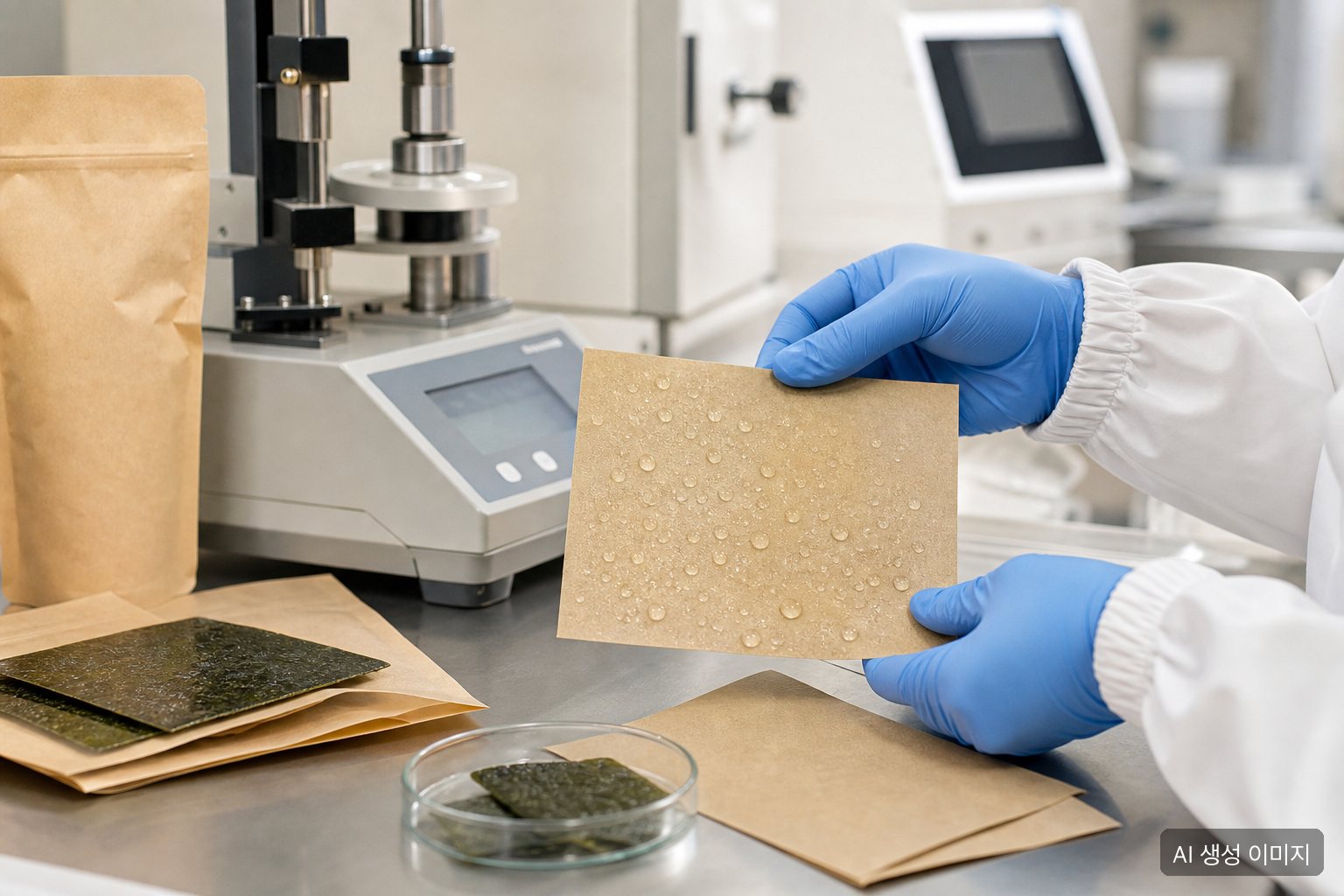
Paper packaging often reaches its limit when moisture, oxygen, grease, or aroma protection is required. Paper offers printability, tactile appeal, and a strong sustainability message, but many food and consumer packaging formats still rely on PE coatings, laminate films, waxes, or other barrier layers.
Seaweed-based barrier coatings are one of the newer alternatives being discussed. The idea is to use bio-based polymers derived from seaweed to improve the barrier performance of paper or paperboard without turning the whole structure into a hard-to-recycle laminate. Companies such as Kelpi are positioning seaweed-derived coatings as a way to support barrier paper and board applications.
The key question, however, is not whether the material sounds sustainable. Packaging teams need to ask where it works, what data supports it, and how it behaves on real converting lines.
What problem does a seaweed coating try to solve?
Seaweed-based coatings are relevant when plain paper is not enough but a full plastic coating may be undesirable. Typical use cases include dry food packaging, paper trays or cups with moderate resistance needs, paperboard structures that want to reduce PE layers, and premium consumer packaging that needs a clearer recyclability story.
The coating should add only the required barrier function. Too much coating may create recycling problems. Too little coating may fail during storage, transport, or use.
Check the barrier data first
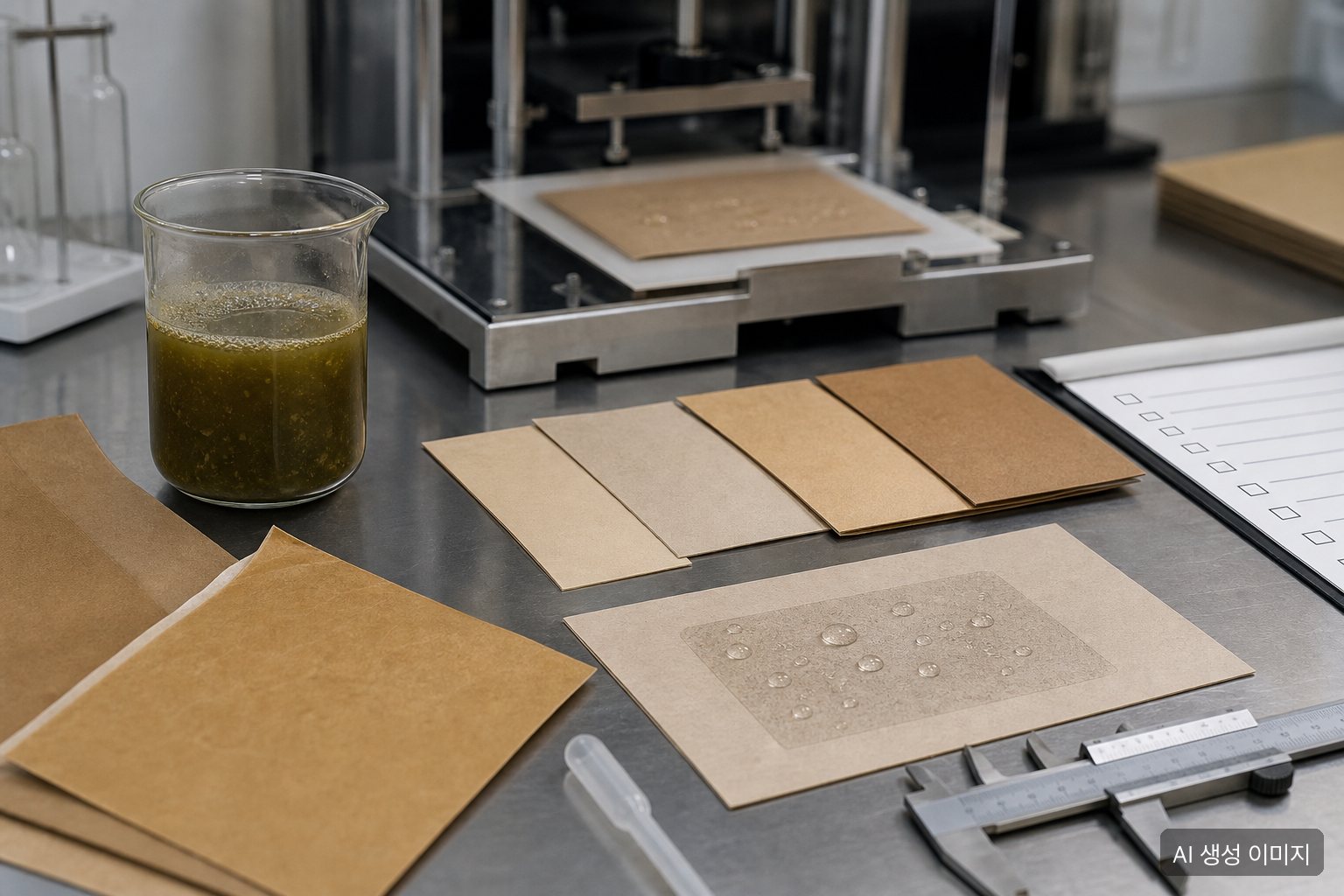
Barrier coatings should be evaluated with test data, not claims. For food and consumer packaging, buyers should ask for moisture resistance, oxygen transmission, water absorption, grease resistance, and performance under realistic temperature and humidity conditions.
A single number is not enough. The test conditions, paper grade, coating weight, and sample structure can change the result. A coating that works on one kraft paper may not perform the same way on folding carton board, cupstock, or flexible paper.
Convertibility matters as much as chemistry
A coating must survive printing, die-cutting, folding, sealing, forming, and packing. Practical questions include print compatibility, friction, heat-seal conditions, cracking on folds, blocking during storage, odor migration, and whether existing lines can run the material without a major speed loss.
A bio-based coating that raises the defect rate or requires a completely different process may not be commercially viable, even if the lab data looks promising.
Be careful with recyclability claims
A coated paper structure should not be called recyclable without evidence. Recyclability depends on coating chemistry, coating weight, paper grade, inks, adhesives, and local recycling infrastructure.
Teams should ask whether the coating disperses in paper recycling, whether it affects pulp yield, whether it creates stickies or residues, and whether the whole package fits the target market’s recyclability assessment.
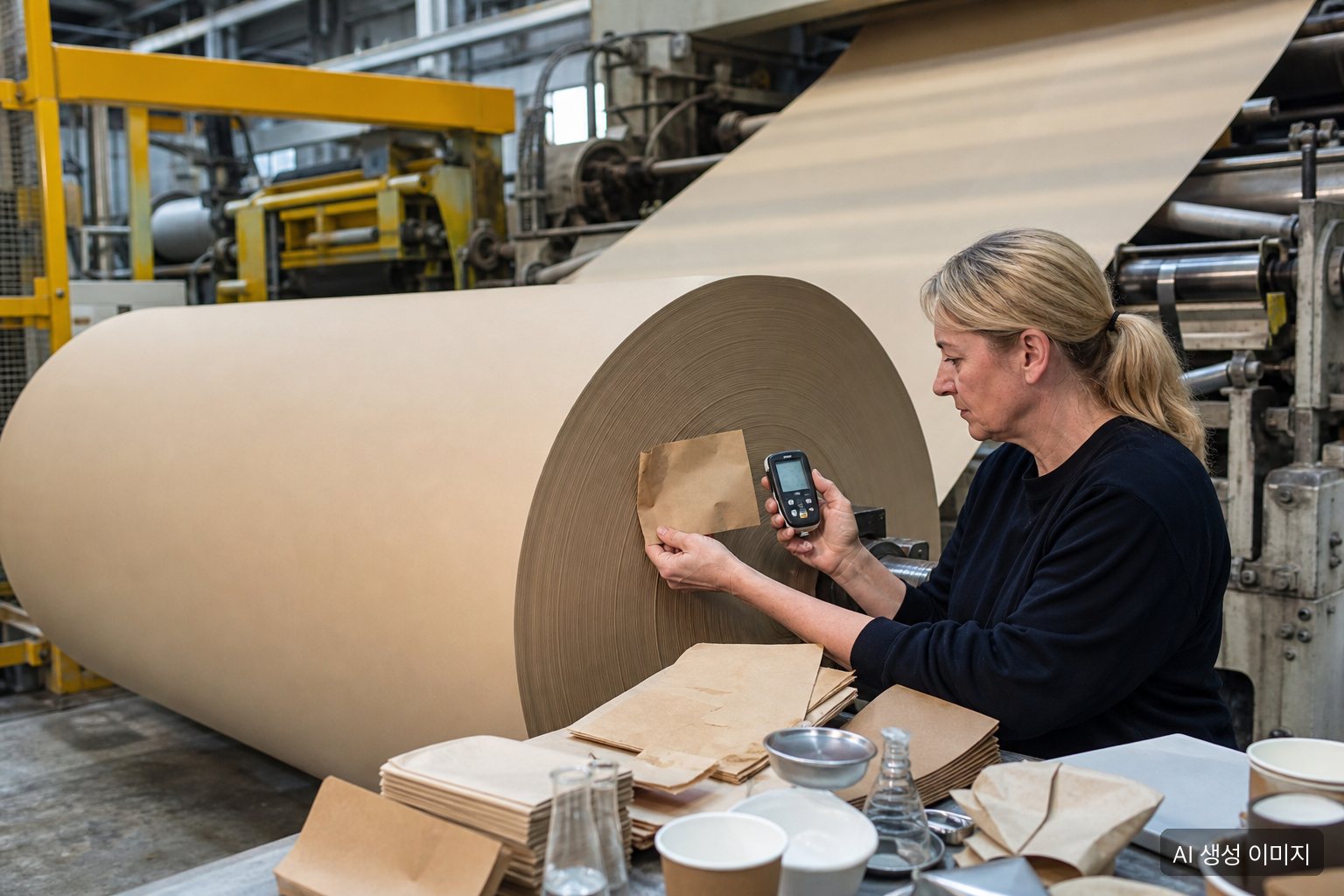
Start with realistic applications
The first pilot should not necessarily be a high-moisture, long-shelf-life, or frozen application. A more practical starting point may be dry food secondary packaging, moderate grease-resistance applications, short-life consumer goods, or premium paper packaging where the barrier requirement is clearly defined.
What to request before quotation
Before quoting a seaweed-coated paper, request paper grade, basis weight, coating weight, barrier test results, converting conditions, food-contact documentation, odor and taste migration data, recyclability testing, storage conditions, minimum order quantity, lead time, and a list of recommended and non-recommended applications.
Takeaway
Seaweed-based barrier coatings are a promising option for paper packaging, especially where brands want to reduce conventional plastic coatings. But the decision should be based on barrier performance, convertibility, food-contact compliance, and recyclability evidence. The practical question is not whether the material is bio-based, but whether it protects the product and fits the recycling and regulatory path of the target market.
About the Author
PackingMaster: Editor of Paper Pack Log. We collect and organize market trends, product information, and technical insights for the paper packaging industry.
References
- Background — European Commission, “Packaging waste”, https://environment.ec.europa.eu/topics/waste-and-recycling/packaging-waste_en