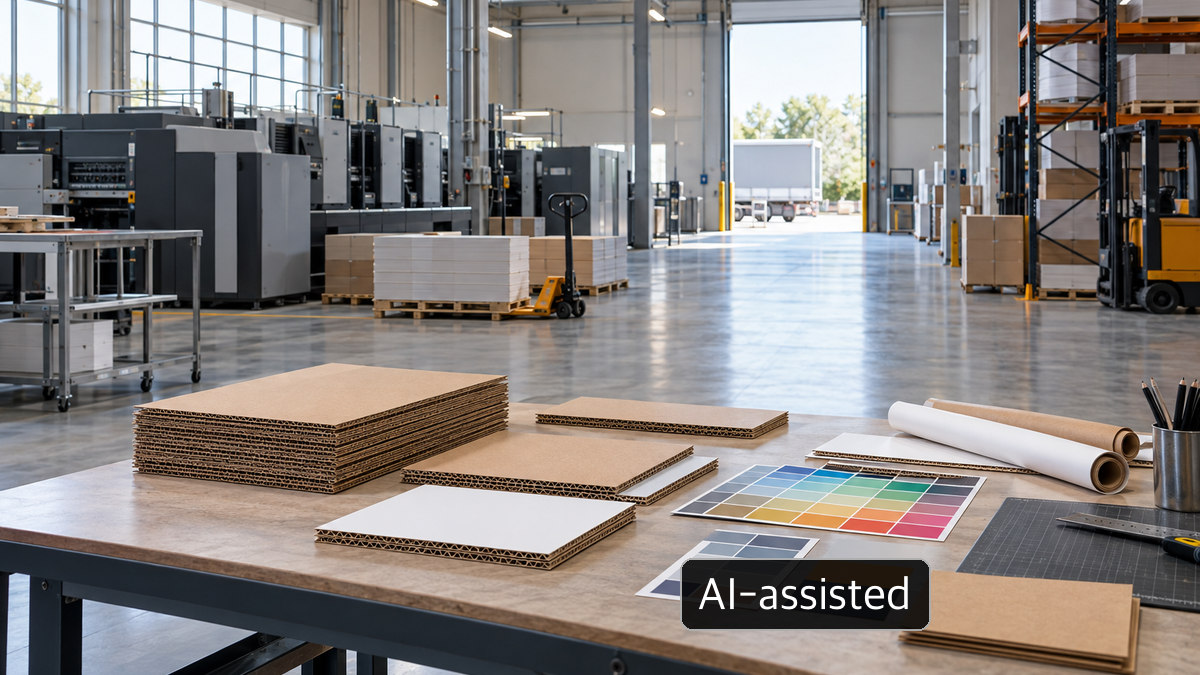
A groundbreaking ceremony for Seun WORKS took place at the proposed site in Yegwan-dong 143, Seoul’s Jung-gu district, on October 15, 2026, according to Newsis’s report citing the Korea Federation of Printing Cooperatives. The federation’s October 8 event notice had specified the same site and a 3 p.m. ceremony. The notice supports the scheduled event; the Newsis article, timestamped 3 p.m. on the scheduled day, reports that the ceremony was held according to the federation. Its timestamp does not establish post-ceremony eyewitness verification. Neither source establishes that the building is finished or occupied.
A proposed return route for small printers
Newsis, reporting the federation’s account, describes Seun WORKS as a public-rental industrial-support facility intended to help small printing companies displaced by the redevelopment of the Seun area re-establish operations. The report gives the second half of 2028 as a target for completion. A target is not a guaranteed handover or move-in date.
Reported building size also needs attribution. According to the federation quoted by Newsis, an earlier plan comprised two basement levels, 10 above-ground floors and 72 rooms. Its later account says the city and district accepted a request to expand this to two basement levels, 18 above-ground floors and about 130 rooms. These are reported project specifications, not the number of confirmed lessees. We have not independently reviewed plans, leases or an allocation by printing specialty.
What the packaging sector cannot infer
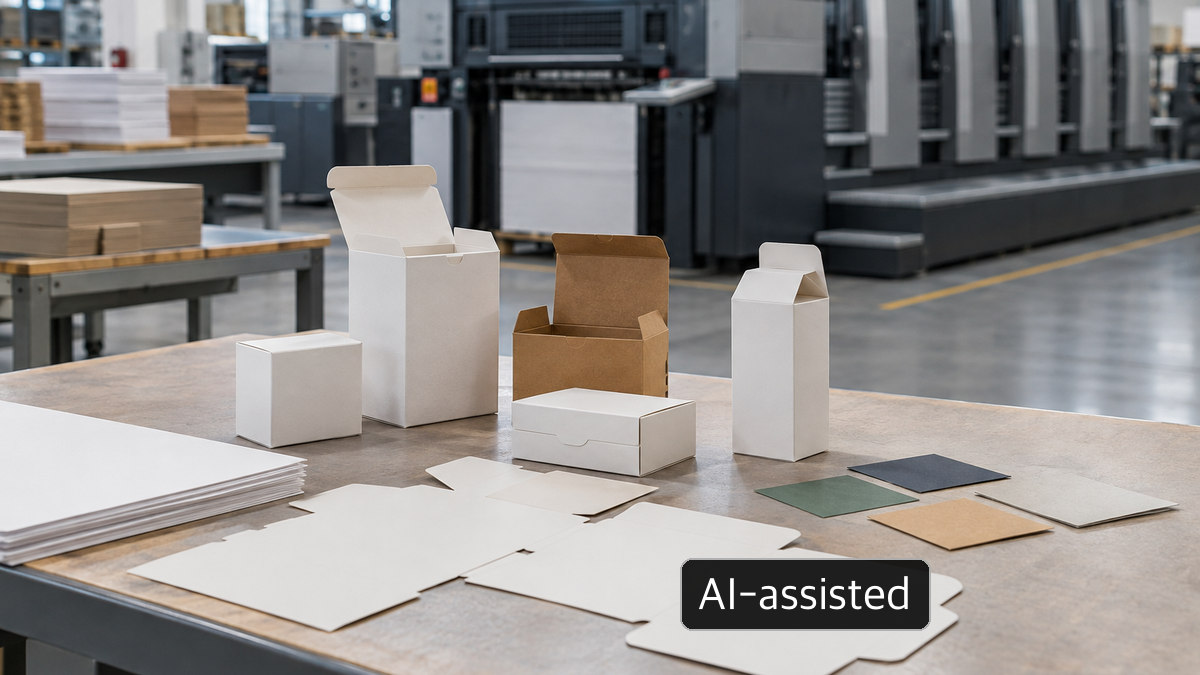
Printing can intersect with packaging production, but that general relationship does not demonstrate that a package printer has secured space at Seun WORKS. Neither the federation’s ceremony notice nor the Newsis account identifies a packaging tenant, a dedicated package-printing room, a signed lease or a packaging-production line moving to this location. Supporting displaced printing businesses and expanding actual packaging supply are separate propositions.
A packaging buyer should therefore not treat the ceremony as evidence of shorter lead times, a relocated supplier or fresh converting capacity. Useful later records would include the operator’s eligibility and allocation rules, named admitted firms and their processes, installed equipment and operating dates, and customer qualification. Those are questions for follow-up, not statements that the project operator has made such commitments.
What to check next
- A current completion schedule and any design amendments published by Jung-gu or the project operator.
- Tenant-application terms, eligible sectors and actual selections.
- Named packaging or package-printing tenants and the specific work they perform.
- Independent evidence of commissioned equipment and delivered products.
For now, the documented trail is an event notice and a same-day report attributing the ceremony to the federation. Packaging-printer relocation, new packaging output and customer transfers remain unverified. This is a printing-industry development for packaging buyers to monitor, not evidence of a packaging tenant or additional packaging capacity.

About the Author
PackingMaster: Editor of PaperPackLog, covering paper-packaging industry developments, products and technical decisions.