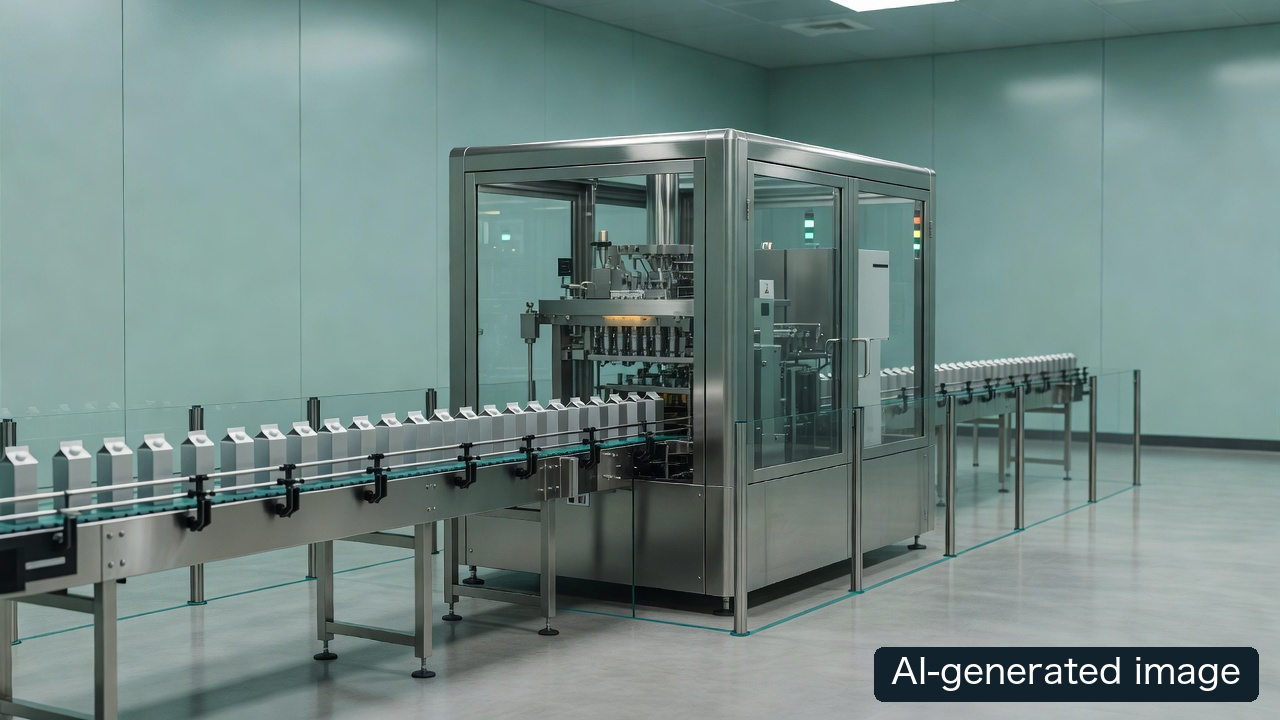
In a beverage plant with frequent SKU changes, headline packs-per-hour capacity is only one part of an equipment decision. SIG announced the SIG Neo XSlim 32 Aseptic and SIG Neo Midi 15 Aseptic on October 1, proposing more output and flexibility within a compact footprint. Its published figures are manufacturer-stated capabilities and benefits, not a customer plant’s measured sustained production. Packaging Europe’s October 2 report largely relays those claims using qualifiers such as “reportedly”, “is said to” and “apparently”; it is not independent production verification.
Separate rated speeds from format scope
- XSlim 32: SIG says it can fill 32,000 SIG XSlimBloc single-serve cartons per hour and handle up to nine pack sizes on one machine.
- Midi 15: SIG says it can fill 15,000 SIG MidiBloc or SIG MidiFit multi-serve cartons per hour. It supports two formats with three pack sizes each—not just three sizes in total, nor nine.
SIG claims both new machines increase total output and output per square metre by one-third, but the release does not supply a detailed comparator, test conditions or customer-specific production logs for that figure. SIG also claims a waste rate below 0.5%, lower Total Filling Costs than its standard filling machines for these formats, and digital operating functions. Without the waste-rate denominator and measurement period or a cost calculation, those assertions cannot establish an actual yield or cash saving at a particular plant.
Do not merge “under 15 minutes” with sterile restart
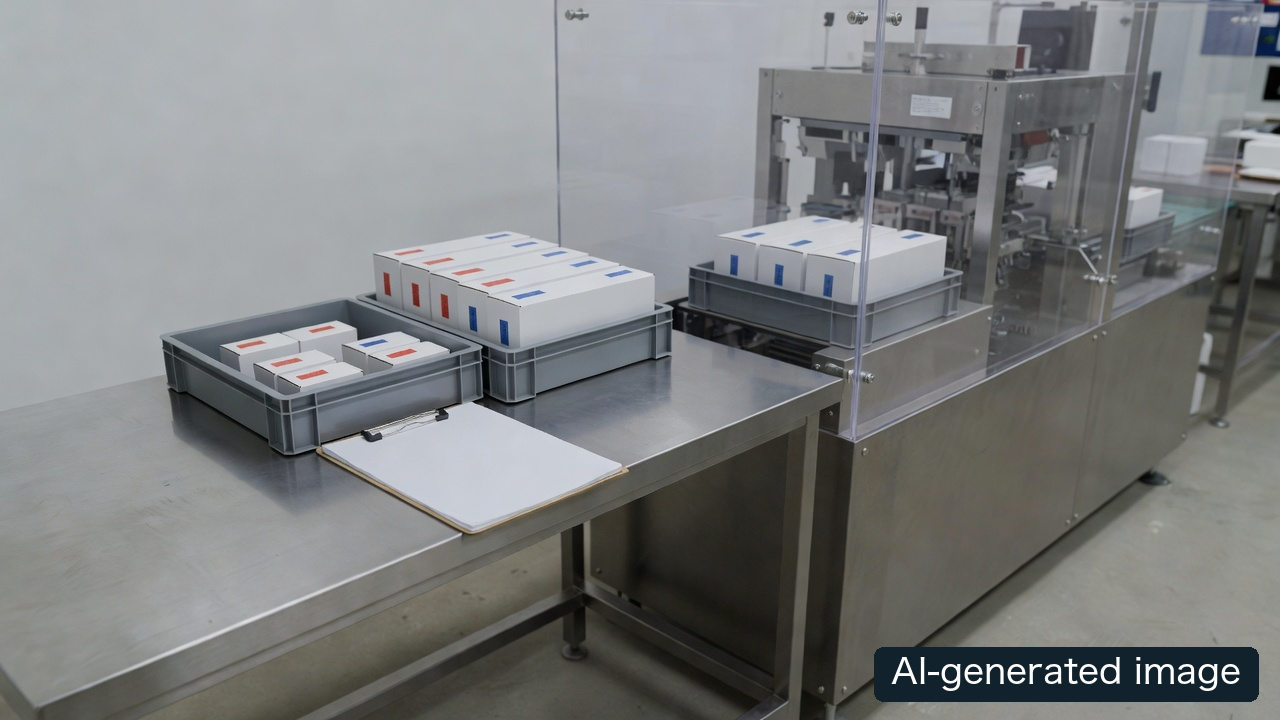
SIG says its sleeve-based carton technology and open-sleeve filling process let operators switch pack sizes or formats in less than 15 minutes without changing machine parts. That is a manufacturer claim about a machine size/format switch. It does not say every SKU change entails the same steps, nor that cleaning, sterilization, aseptic validation, restart and first-article approval are all completed within that interval. Neither source gives the duration of the entire sequence, transition-specific conditions or measured line logs. We therefore do not assign a sterile changeover-completion time.
For a small-batch, multi-SKU line, product-and-package approval, first-article checks and downstream packing may matter as much as stopping the machine. These are editorial operating questions to test, not observed benefits established by the announcement.
What to request in an equipment trial
The following is an editorial procurement and production-planning checklist, not a list of customer-site achievements SIG has disclosed.
- Speed: Separate the rated speed for each proposed carton and filled product from sustained trial output, rejects and stops. Do not translate nameplate packs per hour into shipped volume or OEE.
- Changeover: Specify the exact format/size pair, then measure from the last accepted unit of the old run to the first accepted unit of the next. Log machine adjustment, cleaning, sterilization and aseptic verification as separate intervals.
- Quality and cost: Request the denominator and inspection scope behind SIG’s sub-0.5% waste claim, plus the comparison machine, operating conditions, consumables and utilities used for any cost comparison. The public reports do not provide plant trial records for these items.
- Hygiene features: SIG describes its Neo HMI for operating insight and Neo Shield as improving sterile airflow and removing up to 95% of airborne particles during bottom sealing and pre-folding. Do not turn that claim into a guarantee of finished-product sterility or a measured result at a customer plant; request test conditions and validation records.

The useful distinction is not speed alone but what has been demonstrated. SIG proposes multiple pack sizes and a short machine adjustment. Time to recover an approved aseptic run, and the sustained output under a buyer’s own product mix, still require separate trials.
About the Author
PackingMaster: Editor of PaperPackLog, covering paper-packaging industry developments, products and technical decisions.
References
- SIG, “SIG introduces new high-speed, high-flexibility SIG Neo filling machines for aseptic cartons” (October 1, 2026) — manufacturer announcement; performance figures and benefits are its claims.
- Packaging Europe, “SIG’s new aseptic carton filling machines target high output and flexibility” (October 2, 2026) — reports SIG’s announcement, not independently validated customer-line performance.