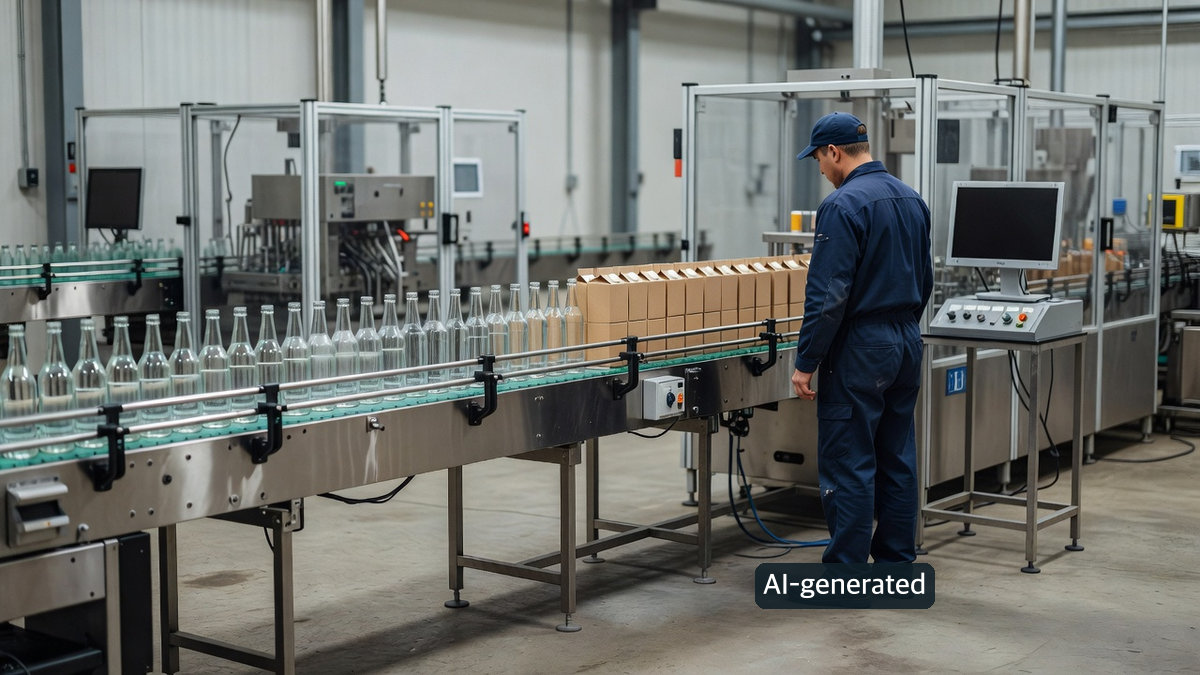
Does a smart-factory assessment mean a plant should immediately buy equipment? Pinpoint News reproduces cards attributed to the Smart Manufacturing Innovation Association about Ace One Food, a Korean rice-wine producer. They describe bottlenecks in sterilization and filling, disconnected equipment data and handwritten quality records. The cards and Cosmorning’s report from the same association material say a separate 2025 build-and-upgrade project later added bottling and packaging equipment, data capture, and MES–PLC linkage. Diagnosis and subsequent capital work are distinct stages. This was a beverage plant, not a corrugated-board mill or box factory.
Both media accounts lead back to the association’s casebook. As of this check, an association-hosted original casebook or individual card URL could not be located. The reproduced cards show what the originator reported, not an independent before-and-after measurement. Rather than importing its numerical outcomes into packaging forecasts, this article proposes an evidence record linking a diagnosis to a later investment. Unlike our Prinpia piece on web orders, MES and AGVs or our Rondo article on master-data integration, the deliverable here is a single-process diagnosis-to-build delta record.
Plant problem: an assessment is not an equipment specification
The association case as reproduced says Ace One Food was assessed at a “basic” installed-system smartization level and “Level 1” manufacturing-innovation capability. Those are this food producer’s reported diagnostic labels, not baselines for Korean box plants. Its subsequent MES–PLC link and bottling equipment must not be presented as benefits supplied by the level-confirmation assessment itself, or as proof that one system caused the reported changes. The Ministry of SMEs and Startups’ 2026 level-confirmation programme notice describes a separate route for assessing current status and improvement direction. It does not establish financing, selection or operating outcomes for a particular factory.
A paper-packaging plant should first locate where manual records or missing signals break customer-lot traceability across die-cutting, gluing, printing, inspection and palletizing. The process hazards and product measures are different from a rice-wine bottling line; neither its equipment configuration nor its performance is transferable as a specification.
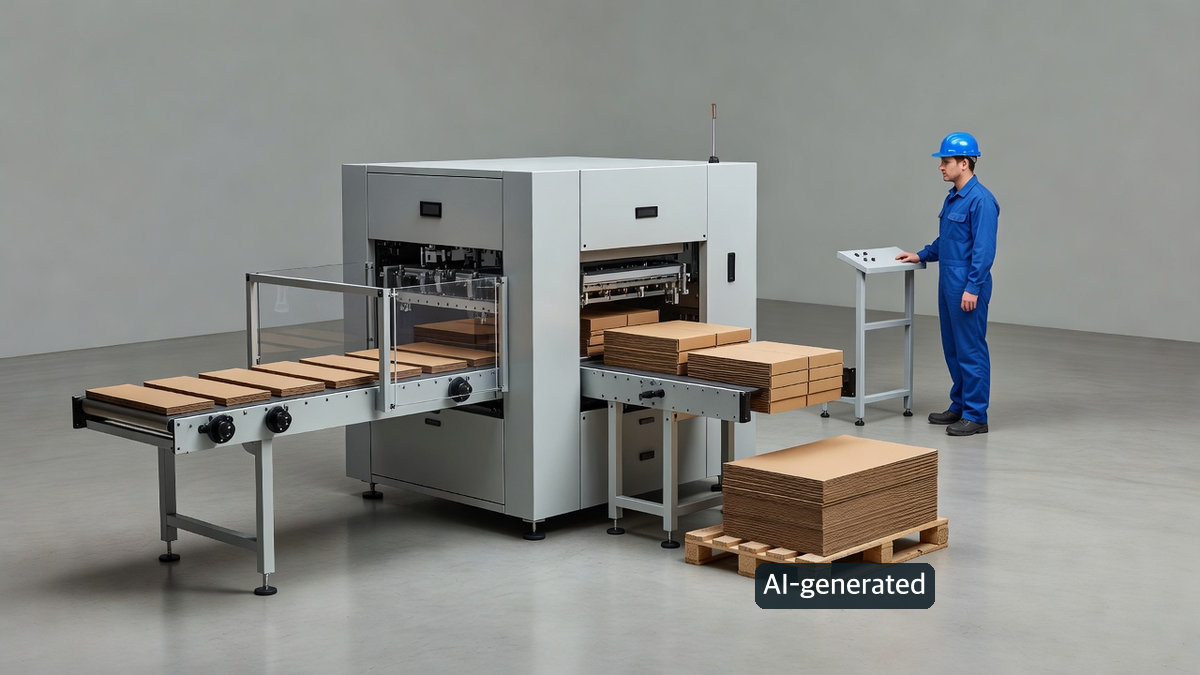
Evidence to check: reconcile signals with one job record
The following is an editorial template for a packaging plant, not an association-prescribed form. Adapt it to the product and equipment safety rules.
| Stage | Before-investment record and post-build evidence to compare |
|---|---|
| Order to job | Reconcile specification, quantity and lot with the unchanged job ID passed to MES. |
| Equipment to output | Match PLC completion and stop signals, job ID and timestamp against the manual shift log; record differences. |
| Inspection to hold | Trace defect type, decision owner, hold and rework history to the same lot. |
| Pack to dispatch | Trace finished case and pallet IDs back to inspection and forward to dispatch evidence. |
The reproduced case also reports before-and-after hourly output and defect rates. It does not isolate the comparison period, product mix, denominator or concurrent investments sufficiently for us to attribute the change to MES alone, much less predict a different packaging line’s result. Hold a numbers-led investment conclusion until the original casebook and measurement records can be checked.
Working artifact: a diagnosis-to-build delta record
Freeze the assessment date, product family, baseline window and concurrent equipment changes on the cover sheet. Then link identified fault → later build scope → raw data under comparable conditions → unresolved exception → owner and next test under one job ID. A vendor screen demonstration is not a substitute for tracing one real lot from order to shipment. When stop causes are missing or values are entered retrospectively, do not label the interval “automatically captured.”

Conditions for holding adoption: another sector’s outcome is not a spec
Withhold a claim of verified improvement if lot identity breaks between equipment, inspection and shipment; if the difference between PLC signals and MES results cannot be explained; or if machines and product mix changed during the comparison. Do not change safety interlocks or food-hygiene and quality procedures without the responsible site’s separate approval. The association-attributed account suggests useful questions for moving from diagnosis to an investment test. It does not provide a reproducible saving, acceptance threshold or operational approval for a paper-packaging plant.
Created with Grok
About the Author
PackingMaster: Editor of Paper Pack Log. We track paper packaging market trends, product information and technical insights for packaging professionals.