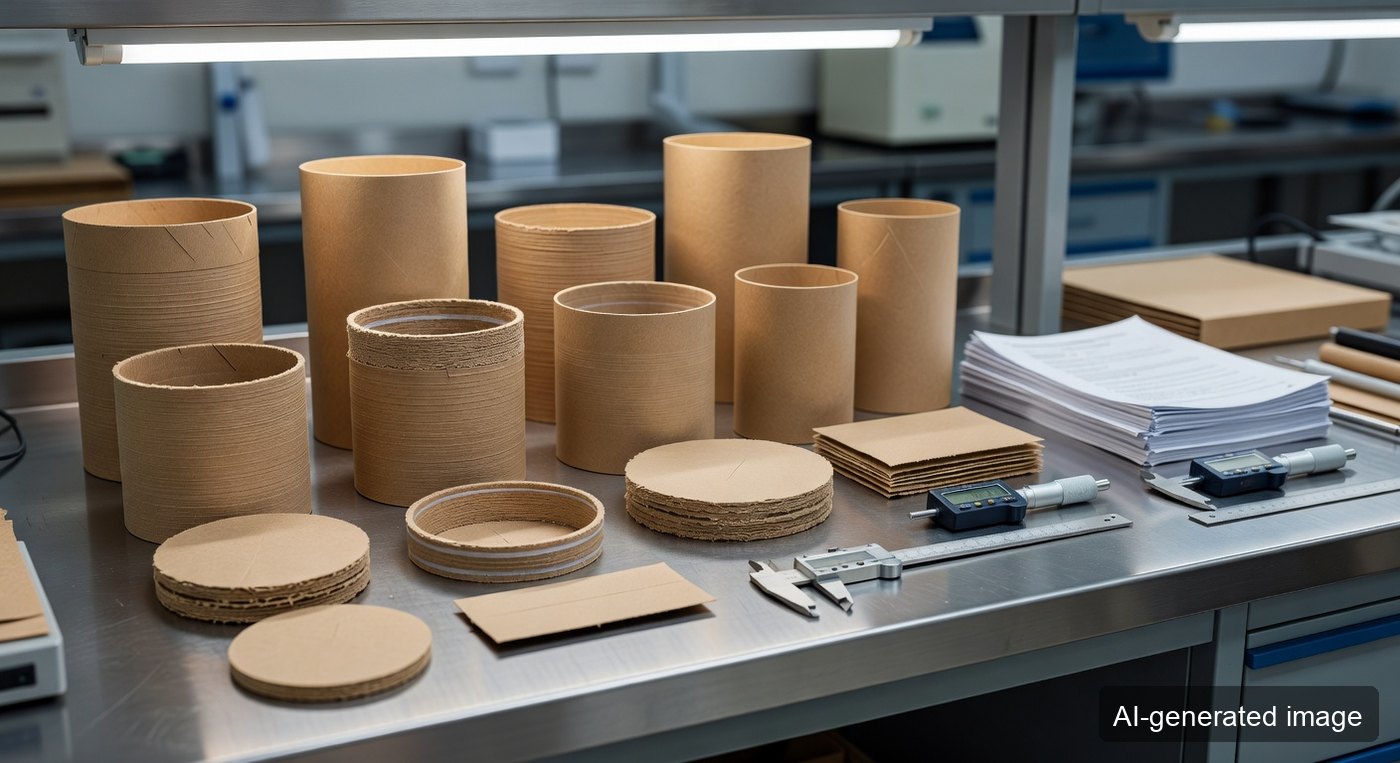
As brands try to reduce plastic packaging, the term paperisation appears more often. Bottles, trays, cups, tubes, pouches, and cylindrical containers are all being redesigned as “paper-based” or “high-paper-content” formats. But one practical question remains: can a package that looks like paper actually be recycled as paper?
Sonoco’s GreenCan is a useful case for that question. Sonoco Europe presents GreenCan as a paper-based cylindrical packaging format with strong recyclability positioning, and industry coverage after Interpack highlighted it as part of the move toward more circular packaging formats.
This article does not treat the product as a simple promotional example. Instead, it uses the case to explain what procurement, product development, and quality teams should check when evaluating high-paper-content containers.

What High Paper Content Really Means
A claim such as “more than 90% paper” sounds attractive. Compared with plastic or metal containers, a high share of paper-based material can support lower plastic use, stronger branding, and a clearer sustainability story. But paper content alone does not determine recyclability.
For high-paper-content containers, teams should separate the package into parts:
- body: the paperboard or paper-based cylindrical structure;
- inner barrier: coating or liner for moisture, oxygen, aroma, oil, or migration control;
- rim and base: reinforced areas that support strength and sealing;
- lid and closure: components that may be plastic, metal, paper, or composite;
- adhesives and print layers: materials that can create residues in recycling.
“Mostly paper” is therefore only the starting point. The real question is how the package behaves in collection, separation, pulping, screening, and local recycling systems.
What the GreenCan Case Highlights
GreenCan sits between several familiar packaging formats: metal cans, composite paper tubes, and plastic containers. It can be relevant for dry food, powders, snacks, pet products, household goods, and premium consumer products that need shelf appeal and moderate protection.
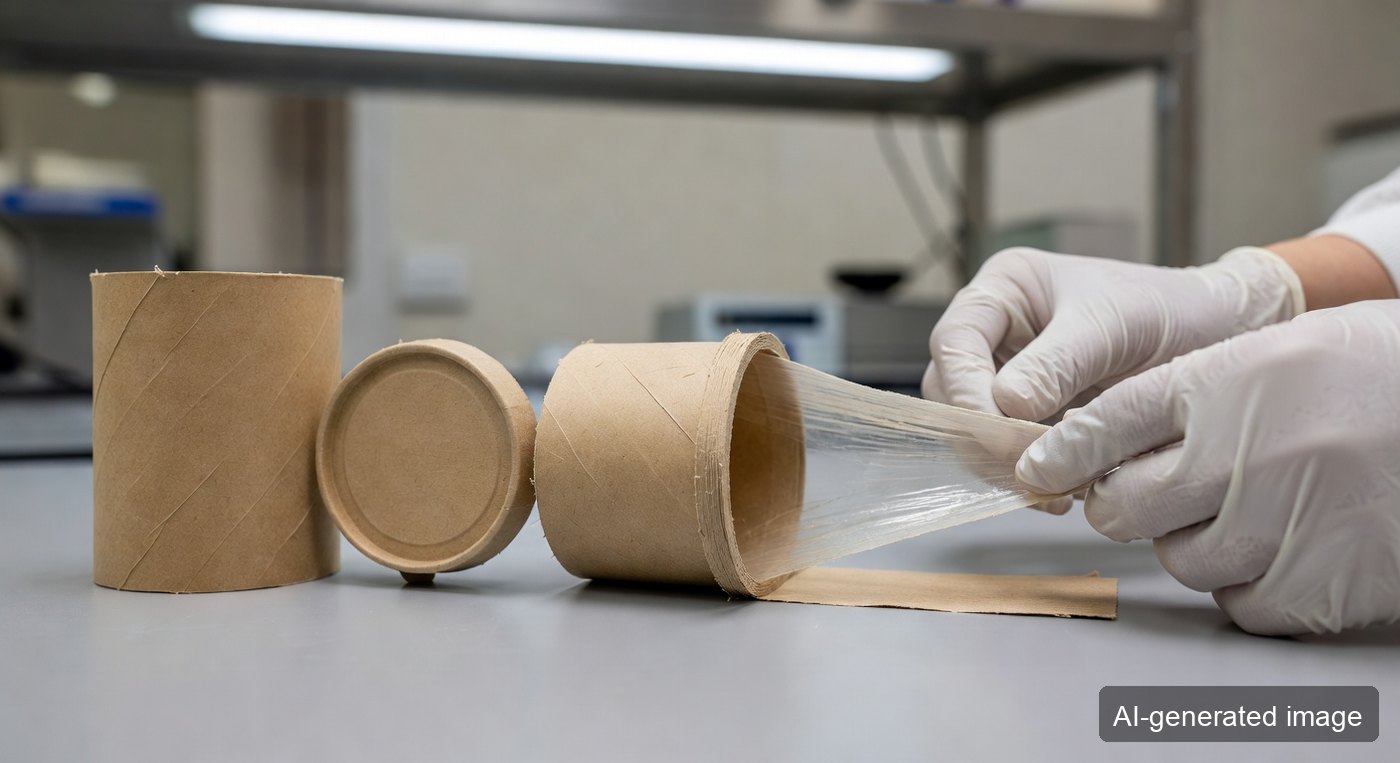
Three points matter in practice.
1. A paper body does not remove the need to check the functional layer
Cylindrical containers often need an inner barrier to protect the contents. Powders, aroma-sensitive products, moisture-sensitive ingredients, and fatty foods may need more than paperboard. Whether the barrier is water-based, film-like, aluminum-containing, or plastic-based changes the recycling assessment.
2. The lid and rim can change the whole evaluation
Consumers may see the body and call the package paper. In disposal, however, the lid, base, rim, and seal are part of the system. If those components are plastic or metal, separation instructions may be needed. If separation is difficult, the paper recycling stream may be affected.
3. Use case determines the required barrier
Dry snacks, detergents, food powders, pet treats, and household products do not have the same moisture, grease, aroma, and oxygen requirements. Even within one product family, the inner structure may change by application. Teams should request the actual specification, not rely only on the material name.
Benefits and Limits of Paperisation
Paperisation has real benefits. It can reduce visible plastic use, provide familiar recycling cues, support strong printing, and sometimes reduce weight. It can also help brands explain material changes to consumers more easily than a complex plastic redesign.
But the limits are equally important:
- higher barrier requirements can increase composite layers;
- coatings and liners may affect fiber recovery;
- lids and bases may need separate disposal guidance;
- humidity, compression, impact, and shelf-life requirements must be tested;
- recyclability depends on local infrastructure and assessment criteria.
In other words, paperisation is not simply “replace plastic with paper.” It is a redesign of the balance between function, material simplicity, and recovery.
Checklist for Procurement and Development Teams
When evaluating a high-paper-content container, ask suppliers for the following:
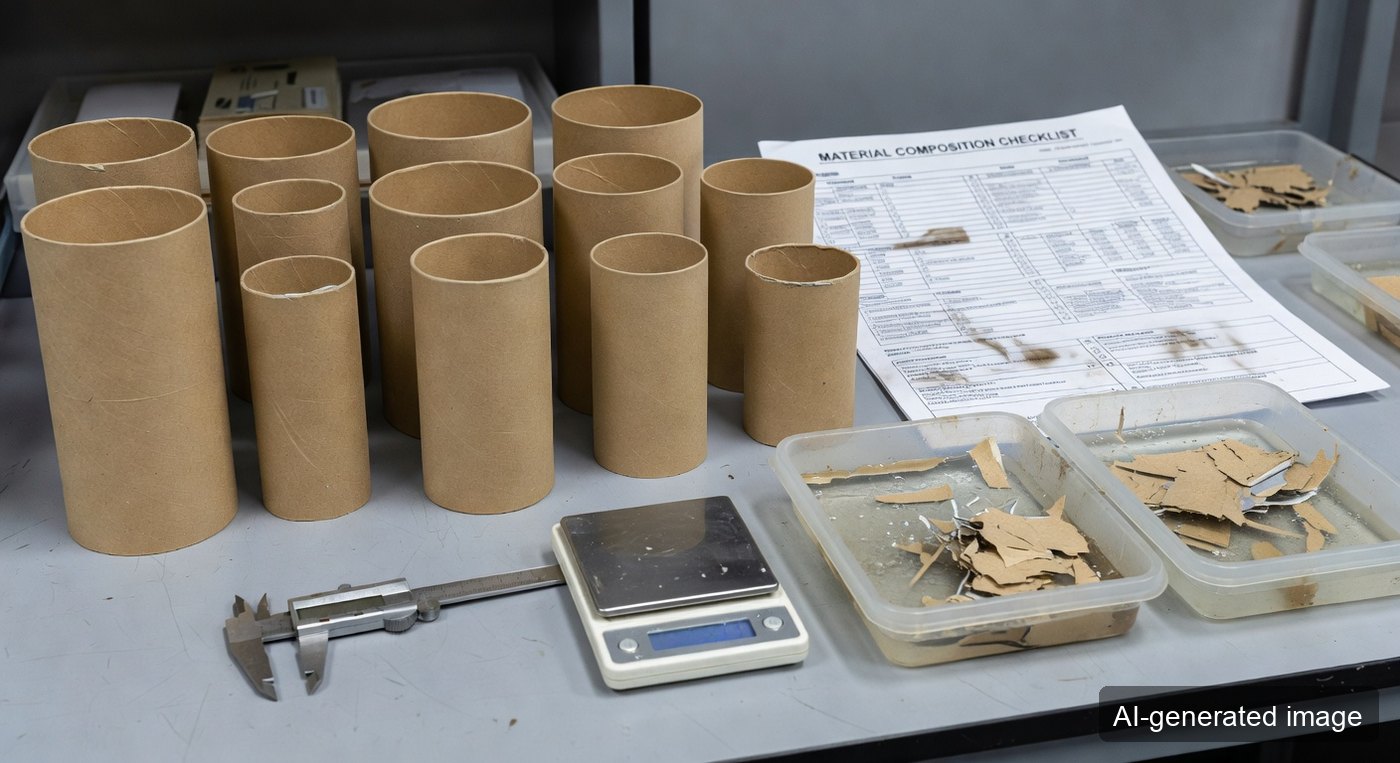
- weight share of paper, plastic, metal, adhesive, coating, and ink;
- material details for the body, lid, rim, base, and inner barrier;
- which components consumers must separate;
- whether the target market collects it in the paper stream;
- any external recyclability assessment or pulping test result;
- food-contact compliance for the layer touching the product;
- moisture, aroma, oxygen, migration, and shelf-life test data;
- changes in package weight, cube, damage rate, and filling-line performance compared with the current pack.
Where It Fits Best—and Where to Be Careful
High-paper-content containers may fit well for:
- dry food and powders;
- snacks;
- some pet products;
- household and refill products;
- premium consumer goods that need print quality and shelf presence;
- applications where metal or rigid plastic is over-specified.
Extra testing is needed when:
- the product has high moisture or leakage risk;
- long oxygen barrier performance is critical;
- cold-chain or high-temperature distribution is involved;
- consumers cannot easily separate lids and bodies;
- the target market does not accept composite paper packaging in paper recycling.
Conclusion
Sonoco GreenCan shows that paper-based packaging can move into applications once dominated by plastic or metal. But the key question is not only the paper percentage. It is what functional layers remain, how separable they are, and how the package performs in the intended recycling system.
Packaging teams should treat paperisation as a verification process: composition, barrier performance, separability, local collection rules, and test data all need to be reviewed before claims are made.
Frequently Asked Questions
Q: Does high paper content automatically mean paper recyclability?
No. Paper content is important, but coatings, liners, lids, adhesives, contamination, and local recycling infrastructure determine the actual recycling outcome.
Q: Which products are good candidates for high-paper-content containers?
Dry food, powders, snacks, pet products, and some household goods can be strong candidates, provided that the required barrier performance is tested.
Q: What should suppliers provide first?
Request material composition by component, inner barrier details, food-contact documentation, recyclability or pulping test results, and clear separation instructions.
About the Author
PackingMaster: Editor of Paper Pack Log. We collect and explain market trends, product information, and technical insights from the paper packaging industry.
References