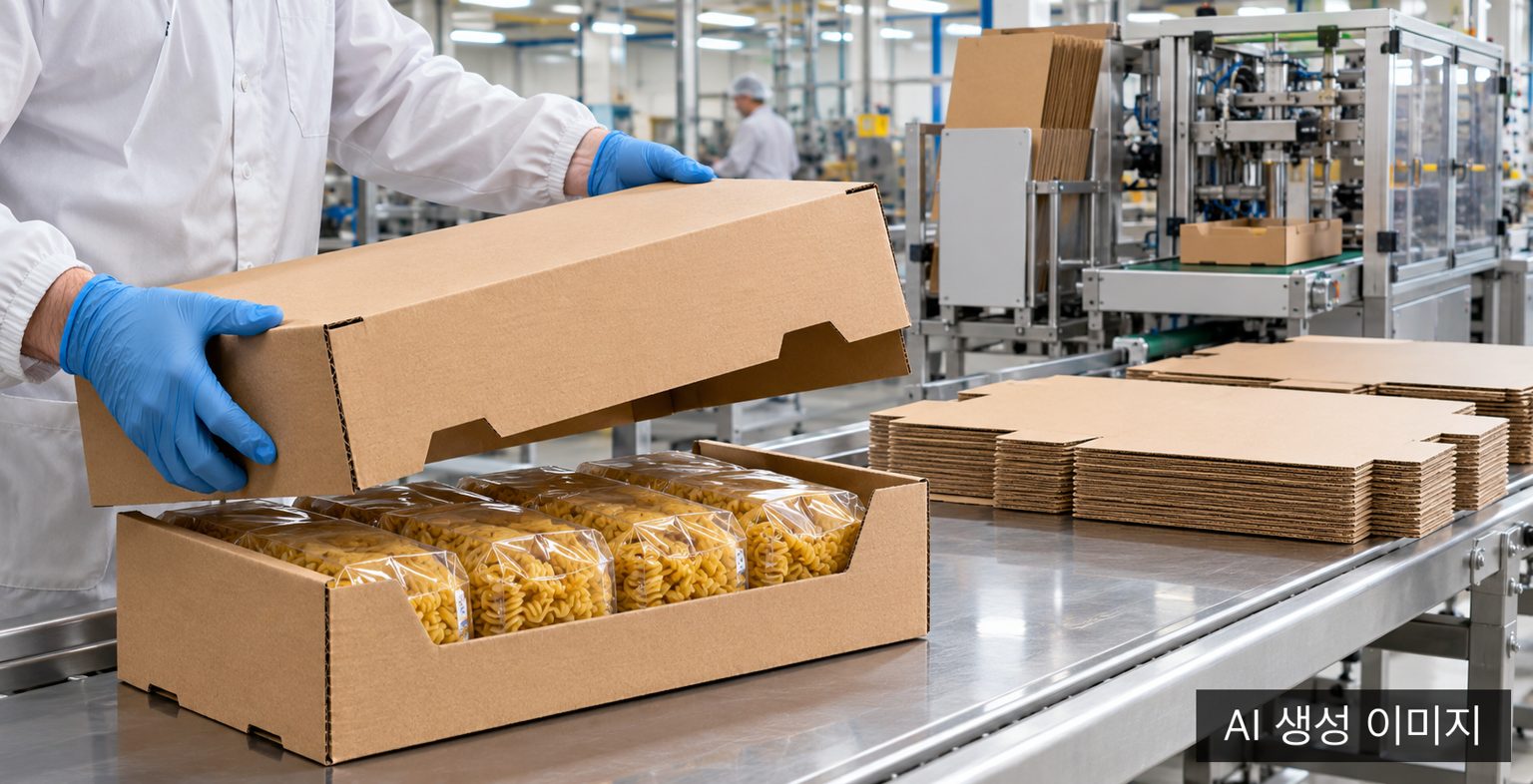
Tailim Packaging’s November 19 announcement describes a two-piece shelf-ready box: a lower product tray and a protective upper cover. According to the report, Tailim supplies printed, converted corrugated material flat, while an automated system at the customer’s line forms the package. That sequence is different from shipping a fully erected display box.
The operational problem
Shelf-ready packaging connects product protection, filling speed, transport stacking and retail presentation. A removable cover does not by itself establish the throughput of a customer’s forming line or measurable labor savings at the store. DS Smith’s general multi-piece machinery page is background, not an acceptance test for a particular Korean installation.
Evidence to check
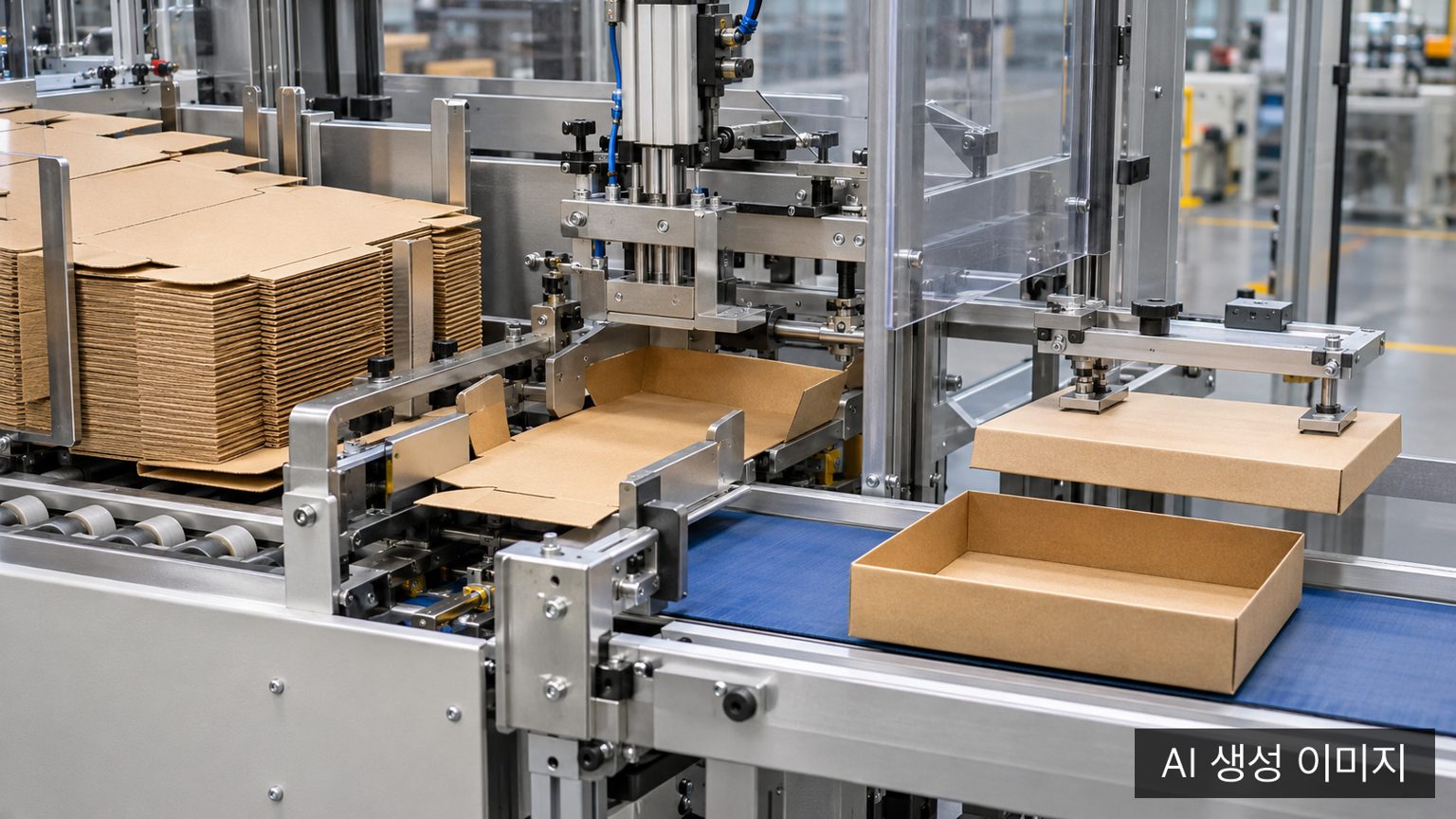
The Financial News report says Tailim designs the package format and DS Smith customizes forming machinery. The customer’s own production line assembles the flat-delivered packs. The reported 3–5% annual cost reduction is Tailim’s own simulation, not measured results from every user or SKU.
Practical output
Build a trial sheet covering SKU dimensions, tray support, cover removal, flat-blank storage, forming and filling rate, damage in transit and store display time. Account separately for equipment cost and changeover downtime. Compare total cost in a controlled shipment trial. This is an editorial qualification proposal, not a supplier warranty.
When to hold adoption
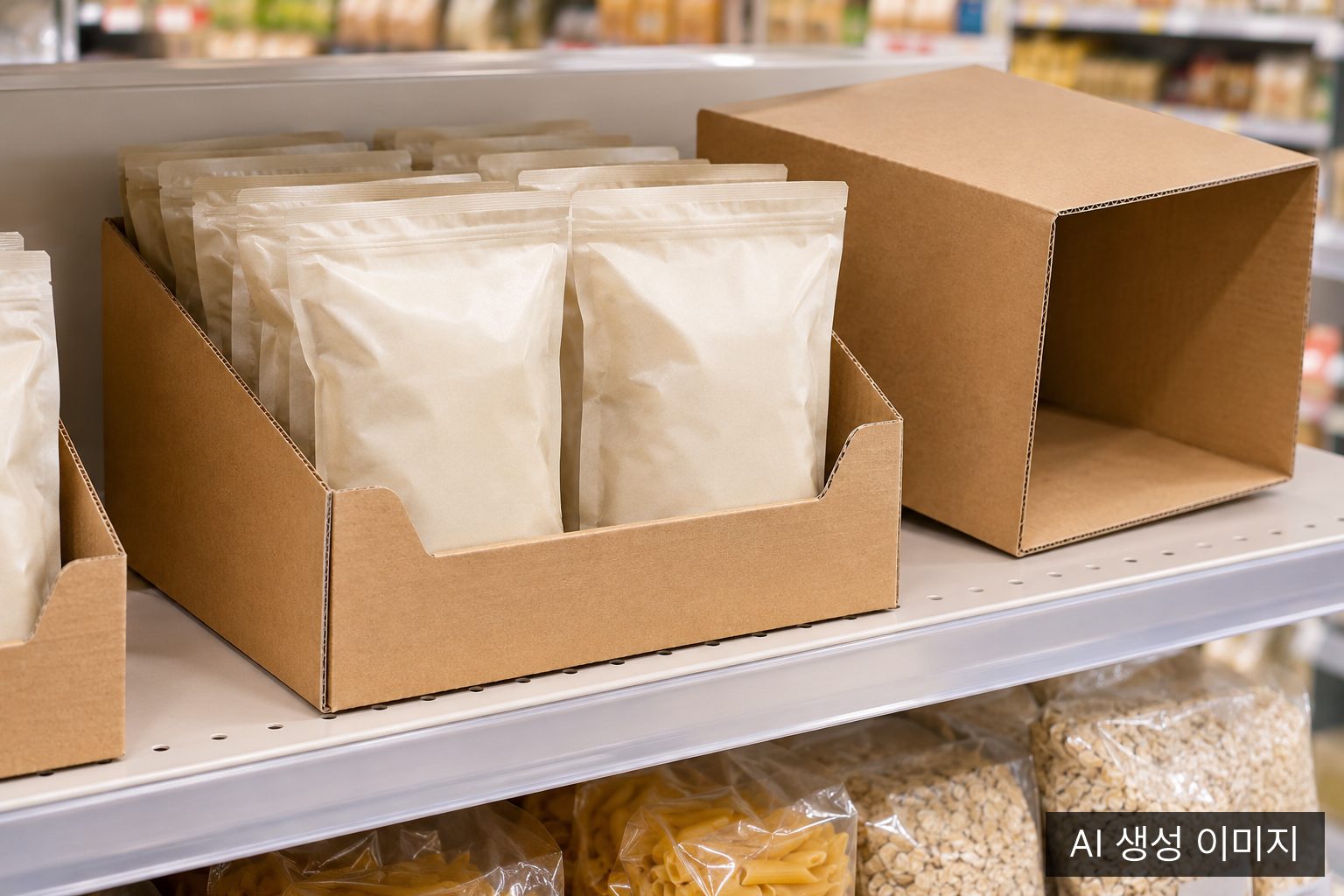
Do not book a 3–5% saving until forming yield, damage and display time are measured for the customer’s own line and channel. The box structure and installation are distinct from Tailim’s quarterly earnings discussed in our prior report.
About the Author
PackingMaster: PaperPackLog editor covering paper packaging markets, products and technology.
References
Checked November 20, 2026. Supplier estimates are not field measurements.