The field problem
A mill should not allocate training budget on a course title alone. A kraft pulp mill operating a black-liquor recovery system has different needs from a recycled-fiber converter or a plant buying its paper. An external course is useful when its syllabus maps to actual equipment, personnel and unresolved questions.
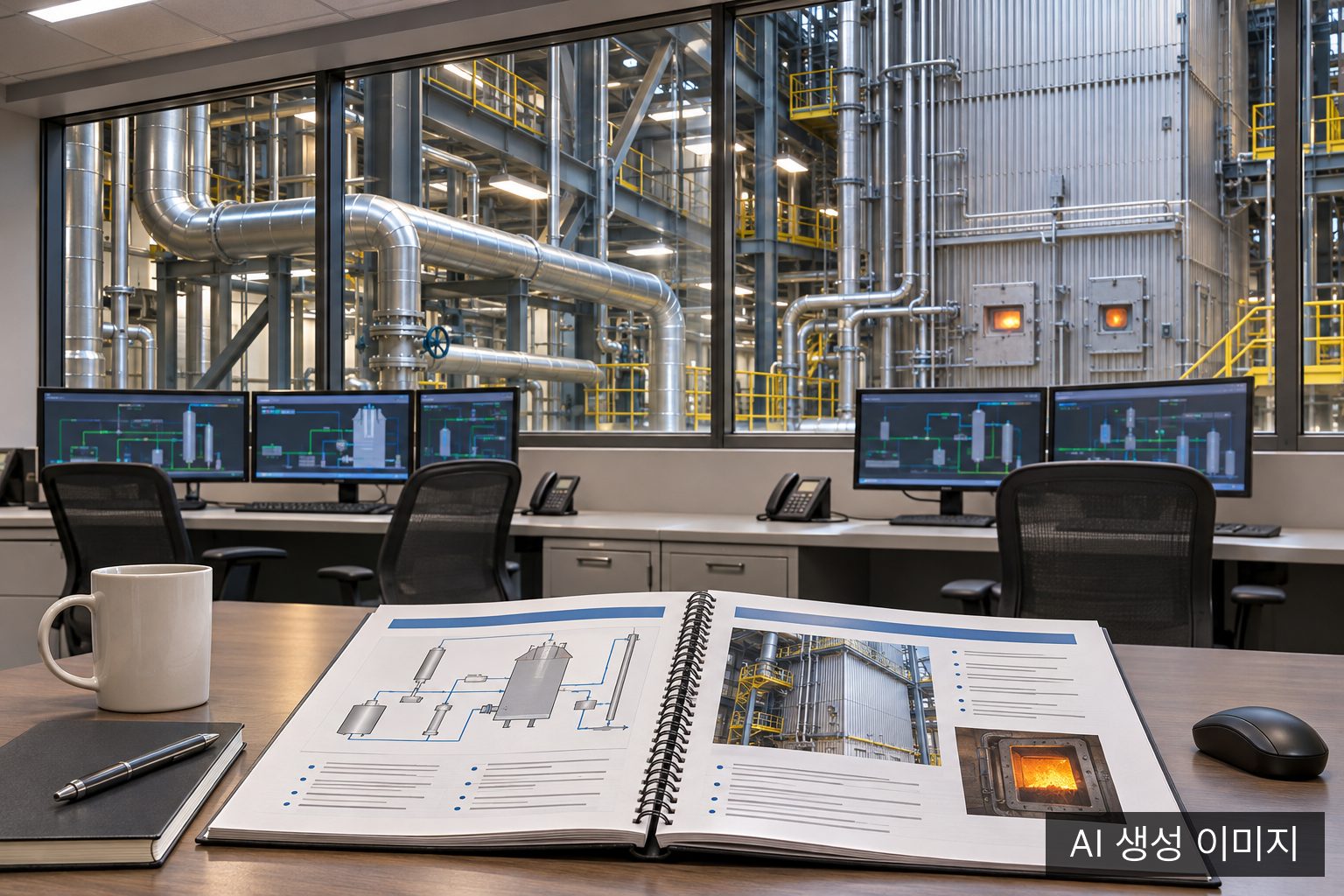
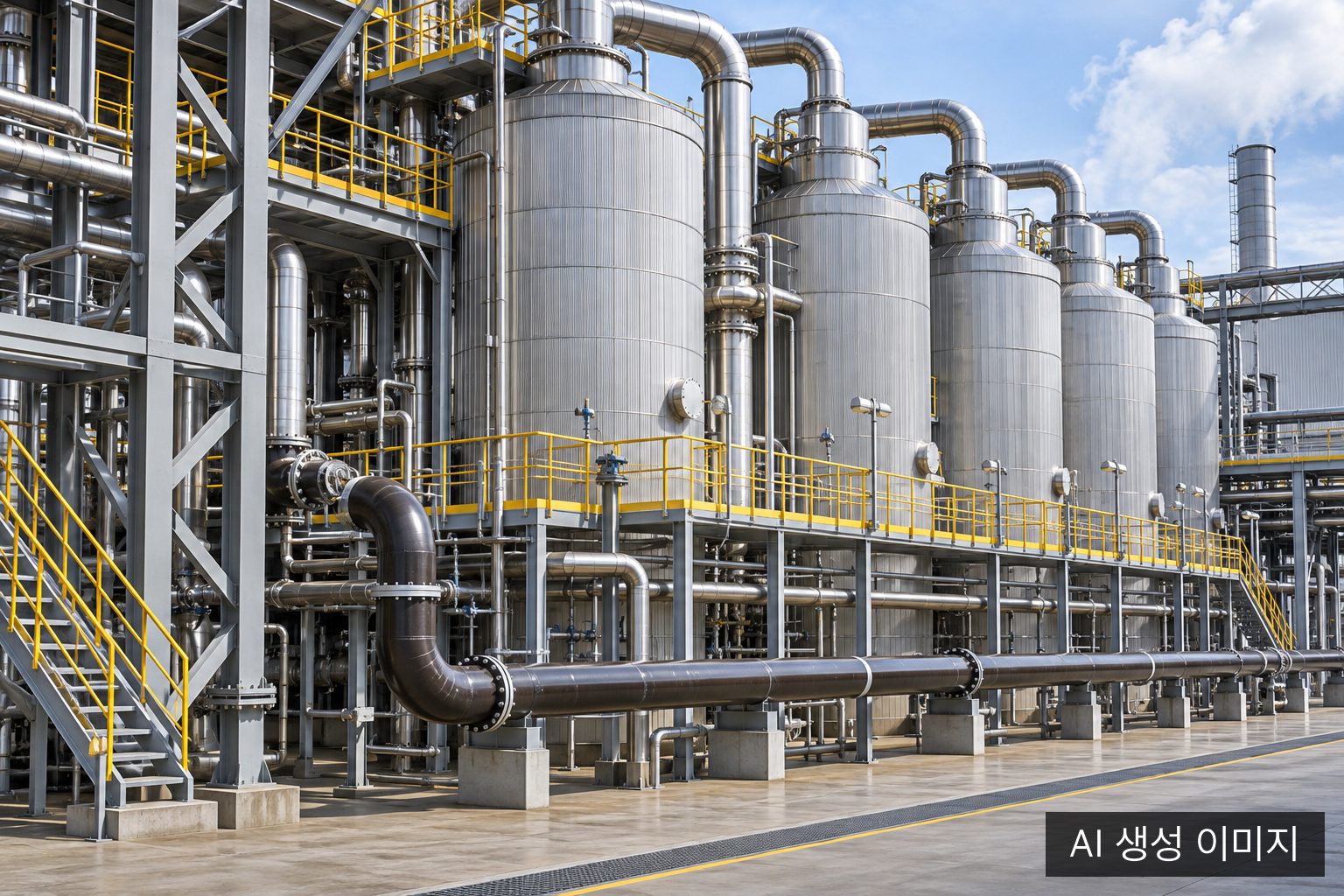
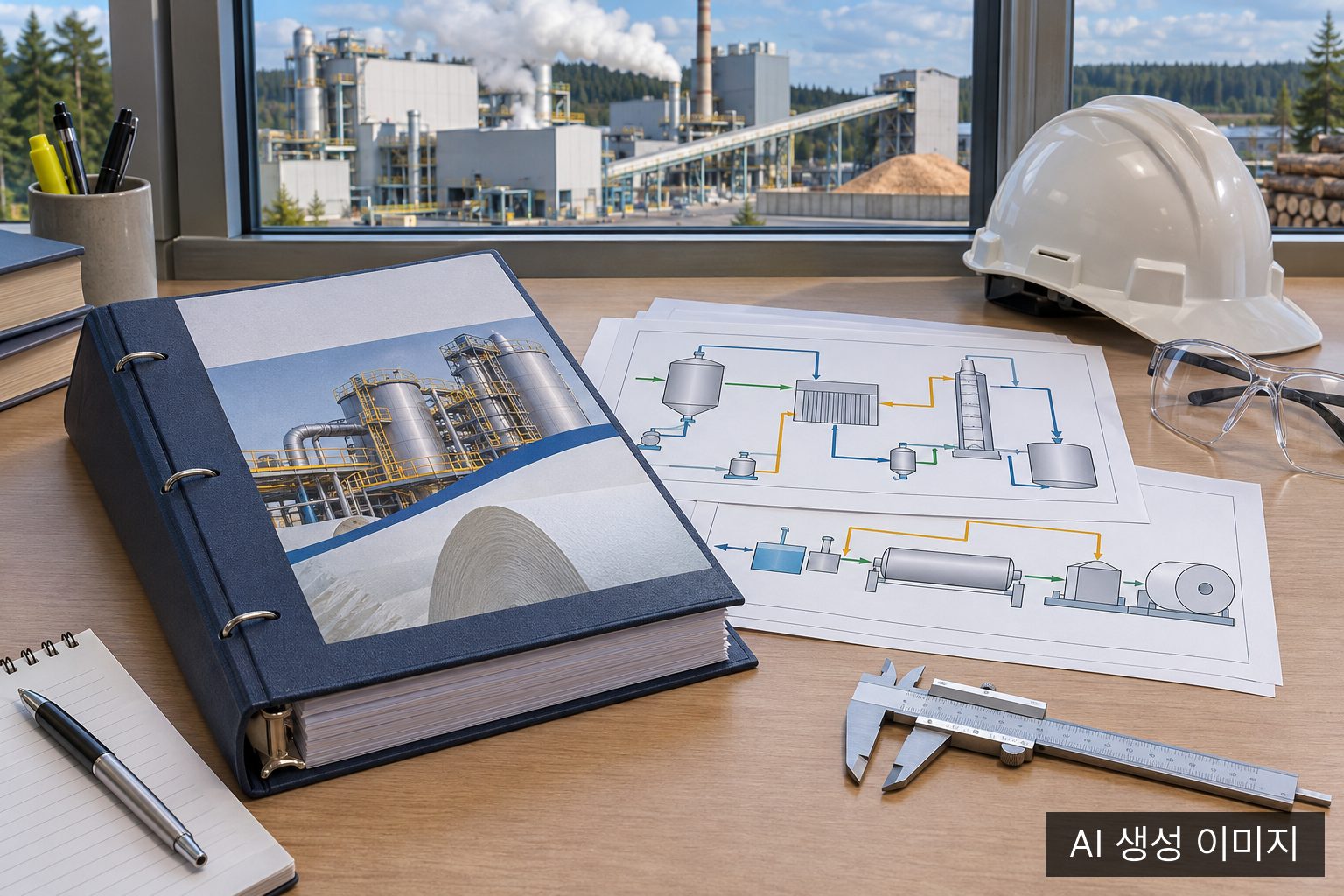
TAPPI lists its 2027 Kraft Recovery Operations Course for January 11–14 in St. Petersburg, Florida, with registration available on its official site. This is a course announcement, not evidence of a production gain at any Korean mill or a new equipment installation. The images are concepts, not photographs of a particular facility.
Evidence to check
TAPPI’s official syllabus includes black-liquor evaporation, recovery boilers, recausticizing and lime kilns, non-process elements, chemical losses, energy and process optimization, and recovery maintenance. The intended audience includes recovery-area engineers, operators, superintendents and technical support staff. Learning objectives describe understanding and troubleshooting recovery operations; completing the course does not guarantee a result at an individual plant.
The venue, dates and registration terms should be rechecked before travel approval. A company’s own travel, safety and training rules still apply.
Practical deliverable
Before enrollment, prepare a process-to-syllabus map. The table is our suggested application of TAPPI’s topics, not a performance benchmark issued by TAPPI.
| Observation or asset | Source of criterion | Status to record | Owner and action |
|---|---|---|---|
| Black-liquor evaporator issues | Mill operating logs and TAPPI syllabus | Asset and issue present or absent | Process engineer prepares data and course questions |
| Recovery boiler operation or corrosion | Inspection records and mill safety rules | Training need or specialist review | Maintenance and safety teams assign follow-up |
| Recausticizing and lime kiln | Mill process map and TAPPI syllabus | Relevant or not relevant | Operations selects appropriate staff |
| Non-process elements and chemical losses | Material balance and lab records | Evidence available or missing | Technical team identifies measurement gaps |
After attendance, separate ideas, additional measurements, assigned owners and review dates. Do not change operating conditions solely from course notes; use the plant’s safety and management-of-change procedures.
When to defer application
If a plant has no kraft pulping or recovery system, or no staff member with an applicable remit, this course may be a lower priority. Boiler safety and corrosion questions also require equipment-specific expertise beyond classroom notes. This article is about selecting a relevant training scope, not claiming an operational outcome for a Korean mill.
About the Author
PackingMaster: Editor of PaperPackLog. Covers market trends, product insights, and technology in the paper packaging industry.