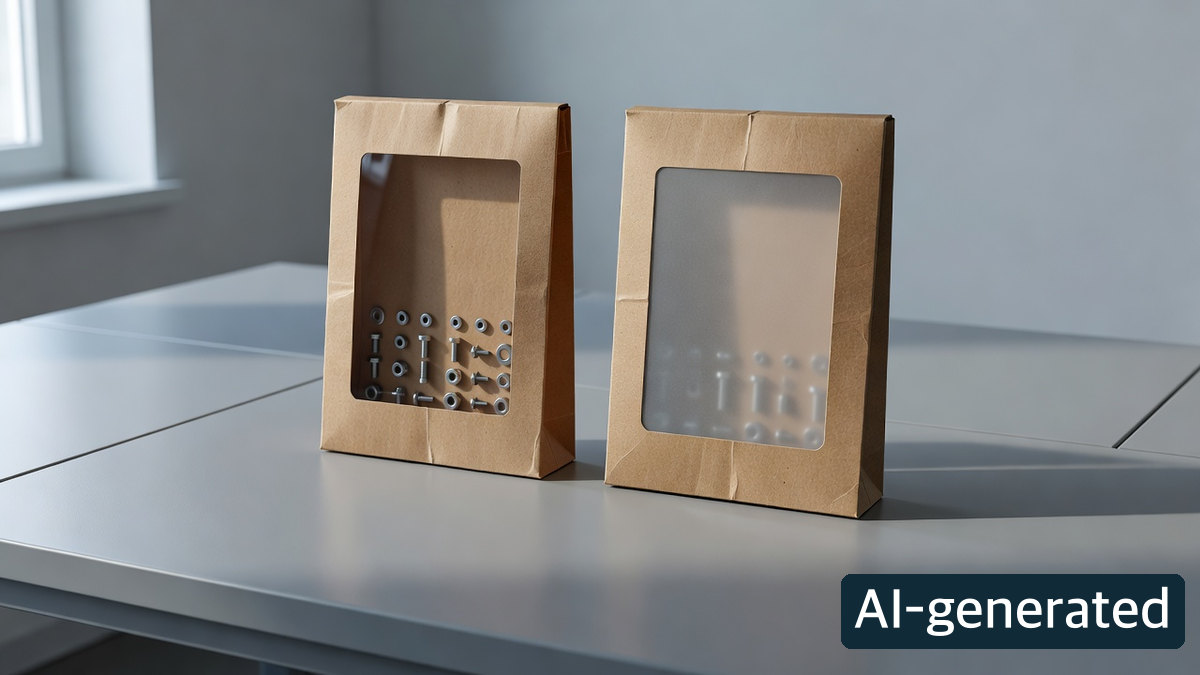
When considering a transparent paper window instead of a plastic film, a buyer should not approve it with a single claim that paper is both see-through and recyclable. Product visibility, performance on the actual converting line and recyclability of the finished pack are separate questions. A Packaging Europe preview published on October 8 lists these as distinct topics for an Ahlstrom webinar scheduled for November 17, 2026. The preview is an agenda, not a report of webinar findings or validated production results.
Shop-floor problem: “transparent” is not a window specification
Ahlstrom’s portfolio page describes Cristal® as designed for high transparency and product visibility, and Cristalline® as offering more diffused transparency and a softer view that still identifies the contents. These are manufacturer descriptions of grades, not optical measurements of a particular pack taken for this article. Background color, distance from the contents, retail lighting and creases can all change what a customer can see. First specify whether the goal is recognizing a silhouette or seeing surface details.
Evidence to check: distinguish substrate claims from finished-pack performance
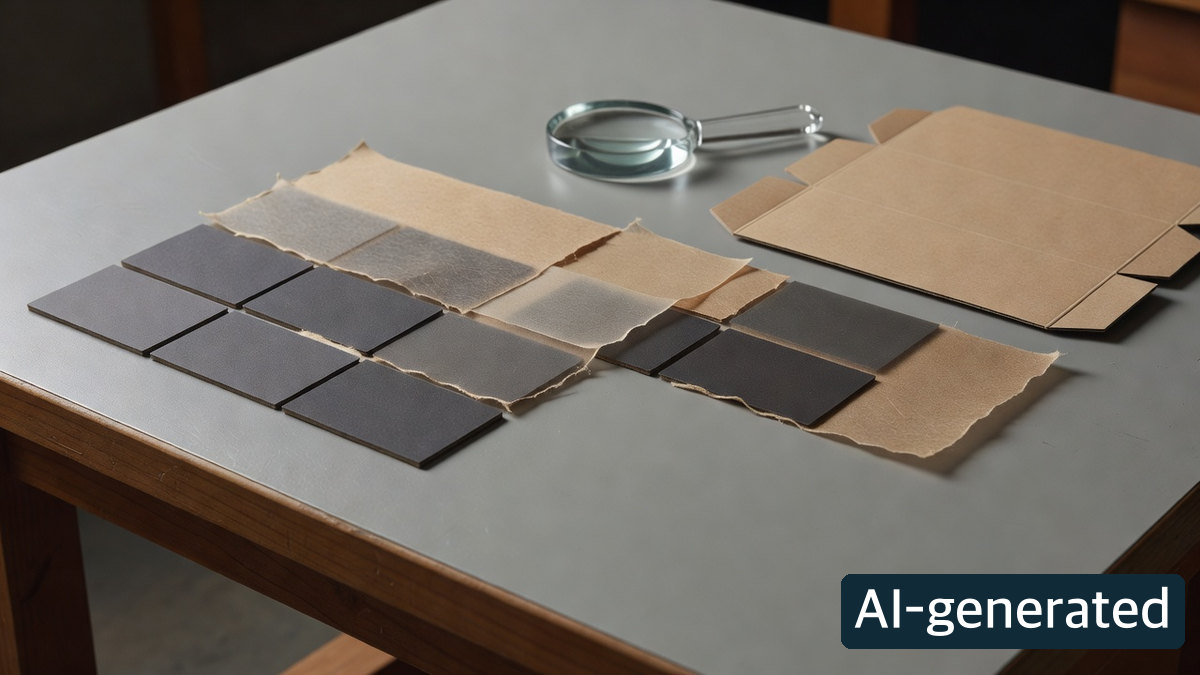
Ahlstrom markets its portfolio for visibility, processability and food and non-food window packaging. Its separate food-packaging product page makes company claims about the Cristal range concerning direct food contact, recyclability under EN 13430 and OK compost HOME and INDUSTRIAL certification. That wording does not establish that every Cristal or Cristalline specification, a printed window, the adhesive, or the assembled pack carries the same certification or meets food-contact rules for a specific country, food and use condition. Ask for the grade, supplied lot, exact scope and supporting documents.
Printing and joining also require separate checks. A supplier’s general “printable” claim does not establish legibility, rub resistance or visual quality with the buyer’s ink, print side and drying conditions. Heat sealing, adhesive bonding, lamination and waxing are different process choices. The sources do not verify which method works with a given finished structure and joining chemistry. General convertibility is not evidence that a particular press, seal or glue run has succeeded.
Working deliverable: keep separate approval records
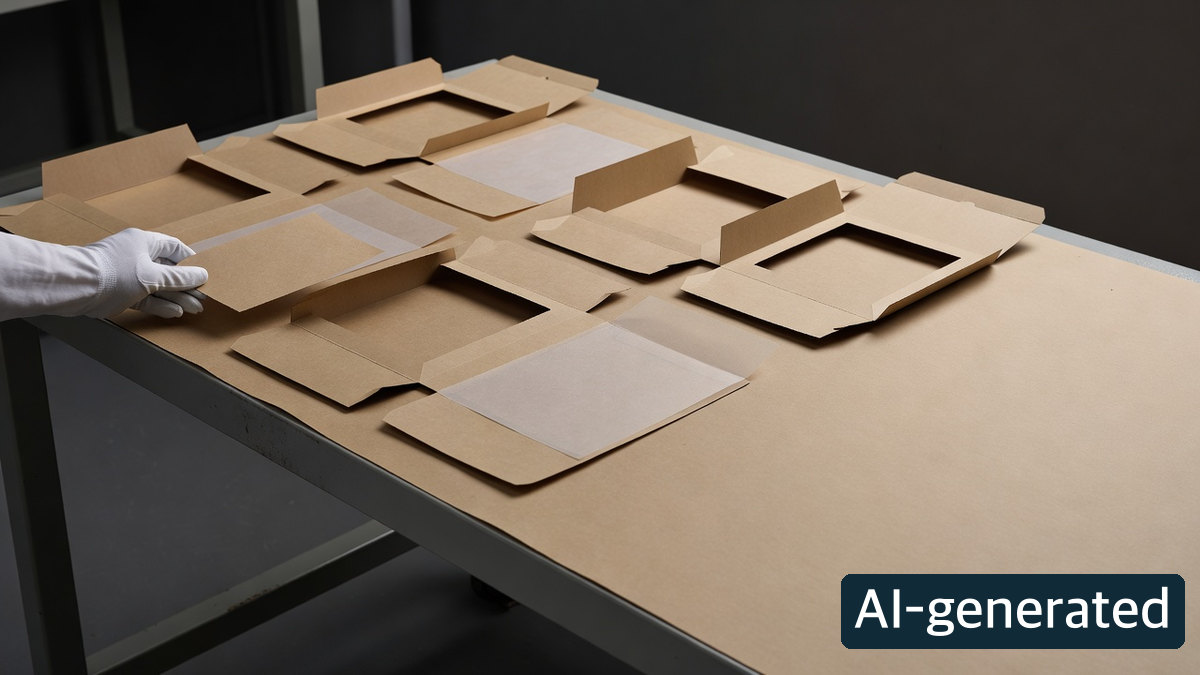
Attach the actual contents and pack drawing, then agree on acceptance criteria before testing. These are proposed buyer-review questions, not reported performance data.
- Visibility: For which grade, basis weight and window size can buyers discern the required outline or detail under target lighting and against the actual contents? Keep mock-up photos with the real contents and agreed approval criteria. Owners: brand and quality teams.
- Printing and joining: Are print side, ink, adhesive or sealing route, window edge geometry, line conditions and storage represented in the trials? Keep the application specification, process conditions and defect records. Owners: converter and quality team.
- Recycling: How is the final structure assessed in the intended collection, sorting and recycling pathway, including print, coatings, adhesive and residual contents? Keep a structure-specific report, assessment scope and local disposal guidance. Owners: sustainability and customer teams.
- Food contact, if relevant: Do the documents cover the actual food, temperature, contact duration, printed or bonded side and destination country? Keep the grade-specific supplier declaration and finished-pack assessment. Owners: regulatory and quality teams.
4evergreen’s Recyclability Evaluation Protocol overview outlines testing and scoring of technical recyclability of fiber-based packaging across different recycling processes. This is an example of an evaluation route, not evidence that this proposed window pack passed it. Technical recyclability and an actual local collection and sorting route must also be considered separately.
Conditions for putting adoption on hold
- If only visibility has been reviewed, hold scale-up until print and joining durability and window retention are checked under the proposed production conditions.
- If only the supplier’s base-paper recyclability or compostability claim is available, hold finished-pack claims until evidence covers the complete structure and target disposal route.
- For direct food contact, do not approve the application without evidence for the exact grade, food, contact side, time and temperature, including the proposed print and adhesive construction.
Transparent paper can expand the design options for showing a product. Approval should follow three separately recorded decisions: can buyers see what they need, can the pack be made consistently, and how is it handled after use in the target market? This is a procurement framework based on manufacturer descriptions and a forthcoming webinar agenda, not an independent laboratory result or a verification of finished-pack certification.
Created with Grok
About the Author
PackingMaster: Editor of Paper Pack Log. We track paper packaging market trends, product information and technical insights for packaging professionals.
References
- Packaging Europe, October 8, 2026 — preview of November 17 Ahlstrom webinar
- Ahlstrom — Cristal® and Cristalline® portfolio descriptions (maintained product page)
- Ahlstrom — supplier claims for transparent food packaging papers (maintained product page)
- 4evergreen — Recyclability Evaluation Protocol overview (maintained methodology page)