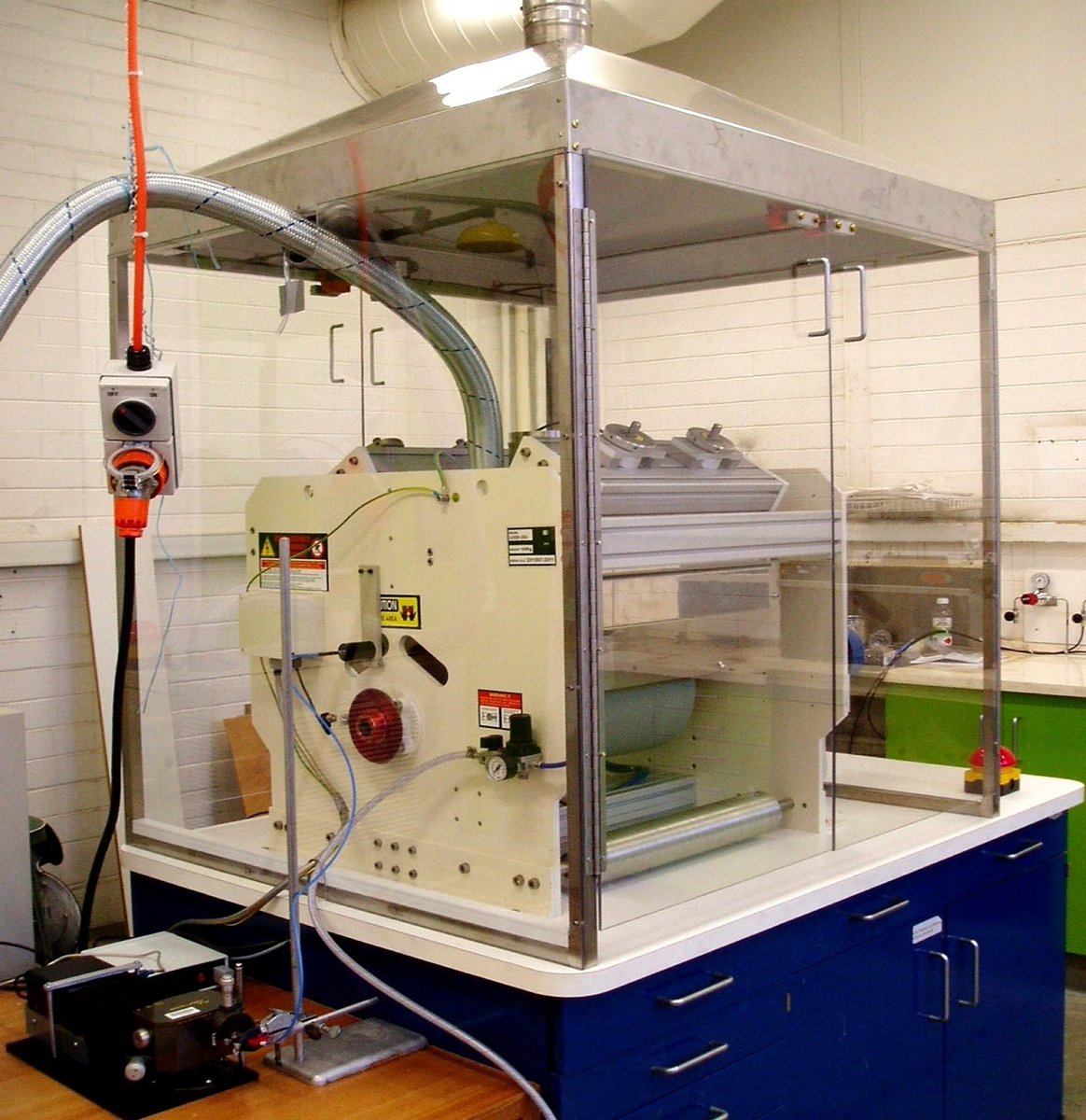
According to UPM’s October 20, 2026 release, UPM, Ingredion and Paramelt are jointly developing paper structures with a starch-based grease barrier and heat-seal coatings for food packaging. The cited substrates are UPM Solide™ Lucent 78 gsm and UPM Asendo™ 65 gsm; the specific jointly developed structure linked to recycling testing is based on the former. UPM says it passed Part 1 of recyclability testing at Western Michigan University. The scope of that result matters more than the tempting shorthand “recyclable food packaging.”
The separate layers and functions
UPM provides the paper substrates, Ingredion the plant-based starch barrier technology, and Paramelt expertise in bio-based heat-seal and functional coatings, according to the companies. Grease resistance and sealability are distinct functions. The use of starch in one layer cannot establish the entire structure’s bio-based content or performance in a paper-recycling process. The announcement provides no quantified layer composition, grease-resistance grade, seal-strength window or commercial-line operating data.
The release attributes a pass in Part 1 of Western Michigan University’s recyclability testing to a jointly developed structure based on 78 gsm Solide Lucent. It does not provide the full test report, outcomes of other stages or results across local collection and recycling systems. Nor does this statement establish food-contact compliance for every intended market or readiness for commercial-scale production. Grease and sealing performance would have to be demonstrated against the actual food, moisture and temperature conditions.
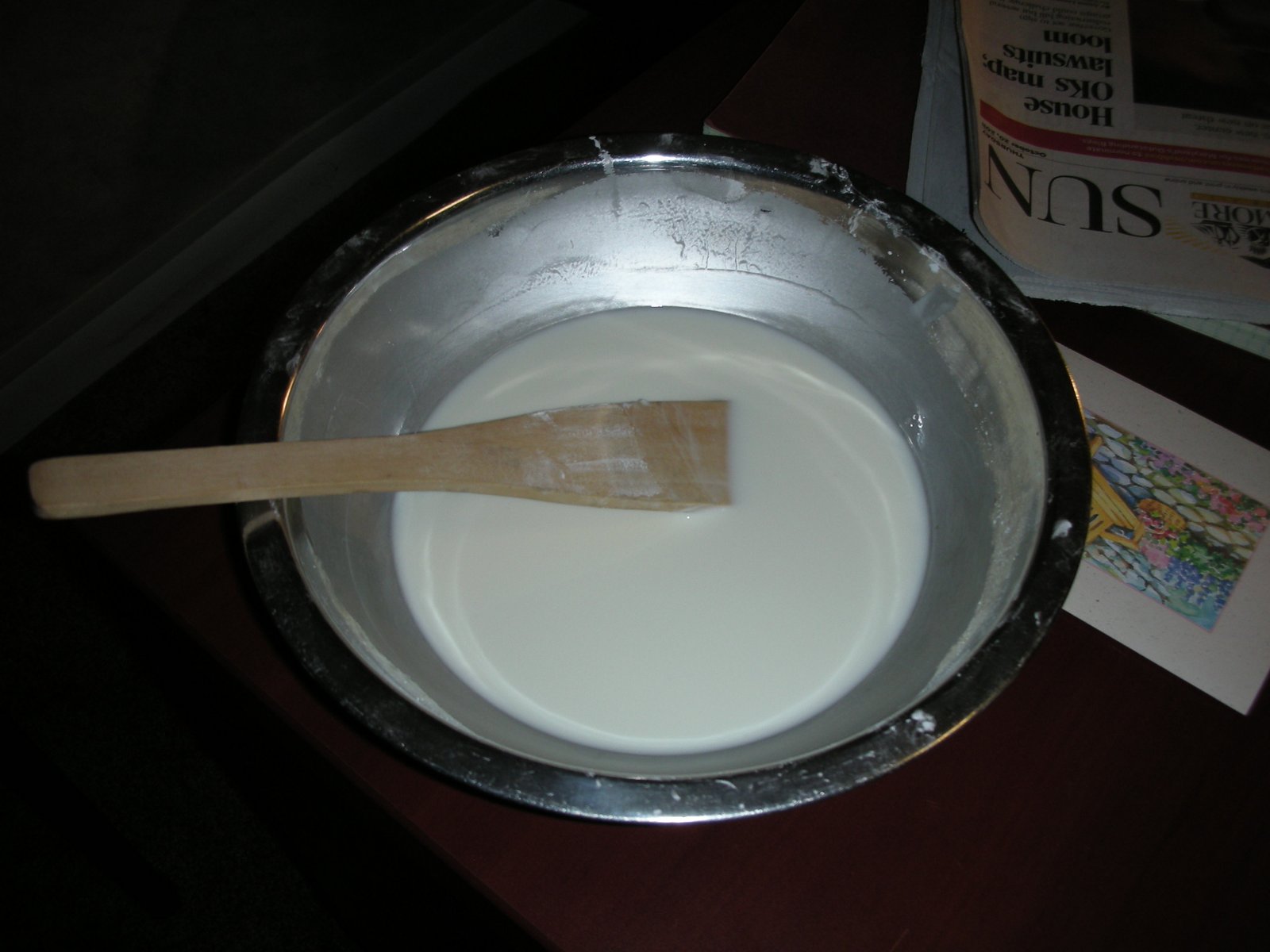 Photo: Ayapici / Wikimedia Commons / CC BY-SA 3.0. A generic example of starch, not Ingredion’s blend or production process. Resized and converted to JPEG.

Checks before a converter specifies it
- Separate structures: Request coat weights, substrate basis weight, printability, adhesive method and seal window for each proposed construction. Do not infer that both paper grades achieved the same recycling-test result.
- Food use: Test grease resistance, migration and seal integrity for the intended food, contact time, temperature and packaging line. Obtain the appropriate market-specific compliance documents. A potential food-packaging application is not itself a regulatory clearance.
- Recovery and recycling: Obtain the actual sample description, Part 1 criteria, status of further testing, and local-mill yield, contaminants and residue data. A Part 1 result cannot guarantee acceptance by every recycling system.
- Production: Check properties after winding, printing, folding and sealing; compare scrap rates and cleaning demand in a controlled run. These are editorial due-diligence suggestions, not published commercial performance measurements.
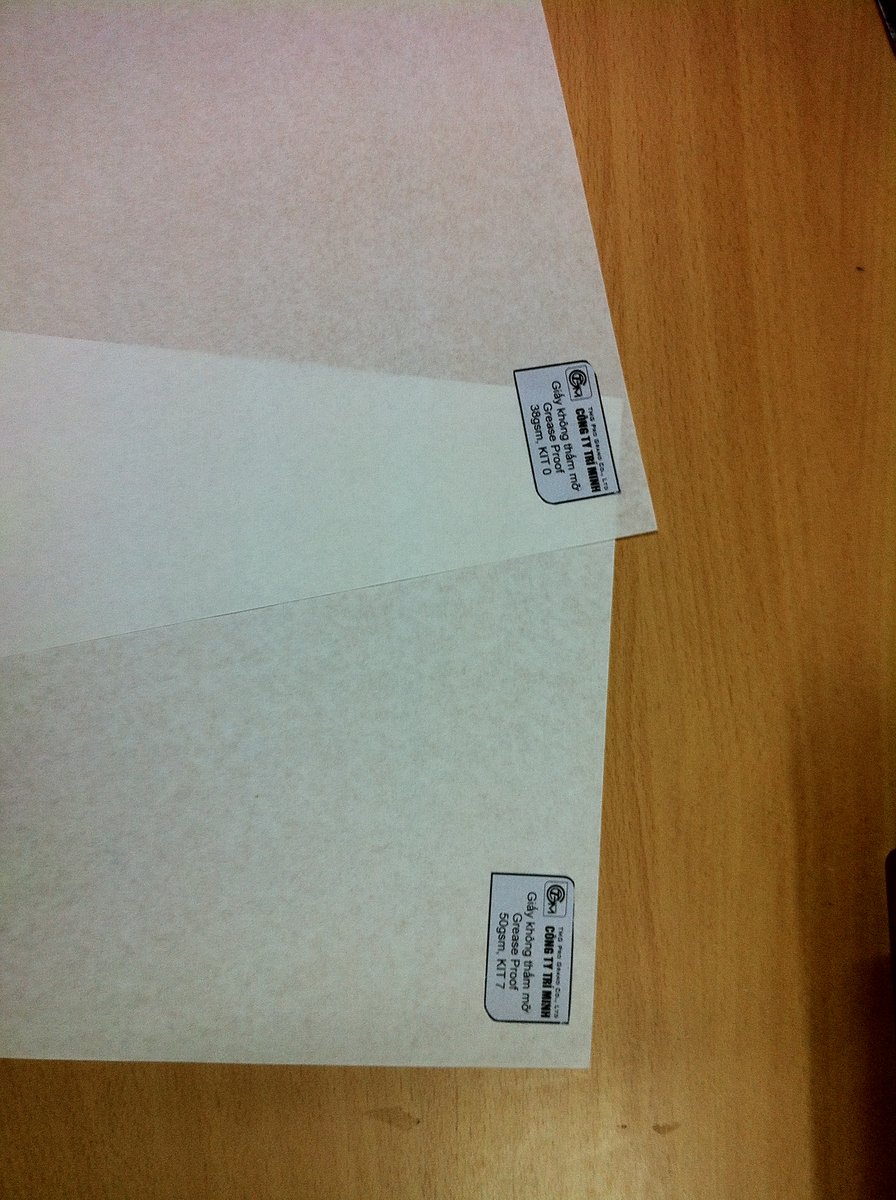 Photo: Newone / Wikimedia Commons / CC BY 3.0. An existing paper example illustrating the general function; not the jointly developed material. Resized and converted to JPEG.

How to describe the result today
The collaboration and its limited recycling-test statement are real development milestones. Grease performance, food-contact compliance, local recycling and production quality remain separate claims to verify. Buyers and writers should not compress all four into a single claim of completed certification.
About the Author
PackingMaster: Editor of Paper Pack Log. We collect and organize market trends, product information, and technical insights for the paper packaging industry.
References
UPM, “UPM, Ingredion and Paramelt explore the potential of starch-based barriers in recyclable paper packaging”, October 20, 2026 — first-party basis for grades, structure and the limited Part 1 statement.
Individual Commons original links and image licences are given below each photograph. None depicts the named partners’ development sample.