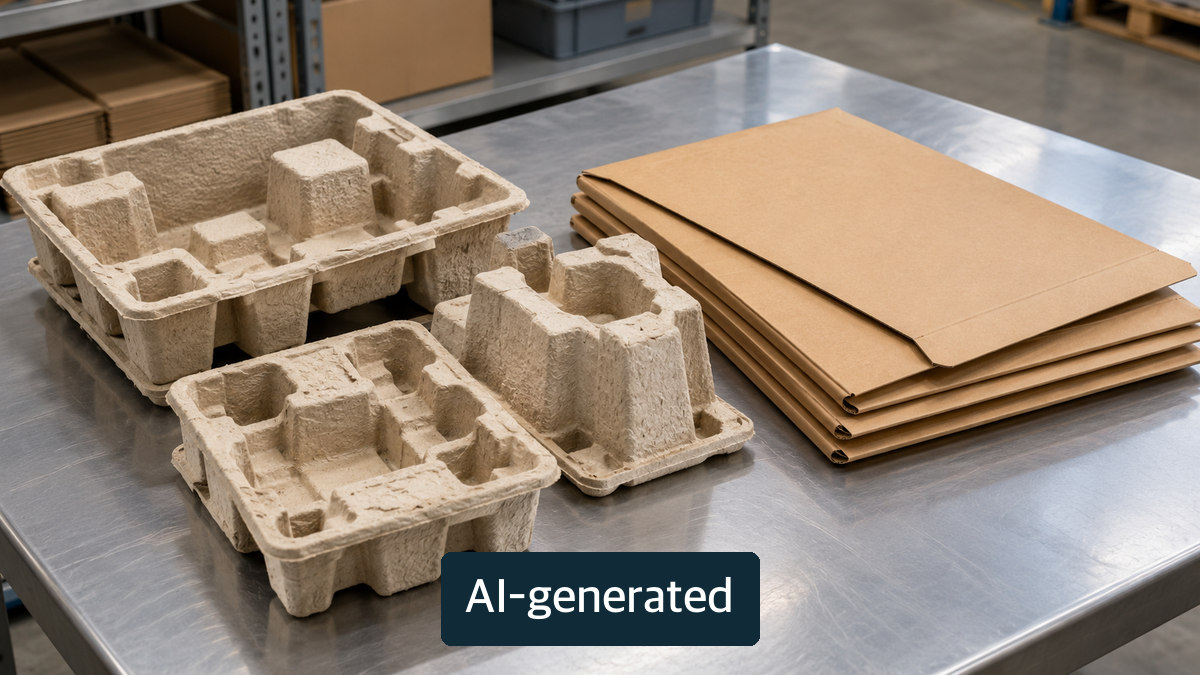
The U.S. Customs and Border Protection (CBP) EAPA consolidated case 8308 page hosts a September 9, 2026 notice of initiation and interim measures. An October industry follow-up renewed attention to it; that follow-up is not a new final finding. The case examines whether three U.S. importers entered Chinese-origin thermoformed molded-fiber products via Malaysia while incorrectly declaring origin. It is not a determination concerning all Korean exports or paper packaging as a whole.
Reasonable suspicion is not a final determination
The public CBP letter identifies Teh Tung Corporation, Acadian Crossing Consumer Products and Verde Winsight Group as subject importers. After reviewing the allegations and importer responses, CBP found reasonable suspicion of evasion and imposed interim measures on covered entries. That does not establish final liability for the three importers or the origin of every Malaysian molded-fiber product.
For covered unliquidated entries on or after the June 3 initiation date, the letter calls for suspension of liquidation; for earlier unliquidated entries it calls for extending the liquidation period. It also describes additional security or cash deposits where necessary. These are case-specific measures; the letter does not say every supplier has already posted an identical bond.
Trace the physical material through the records
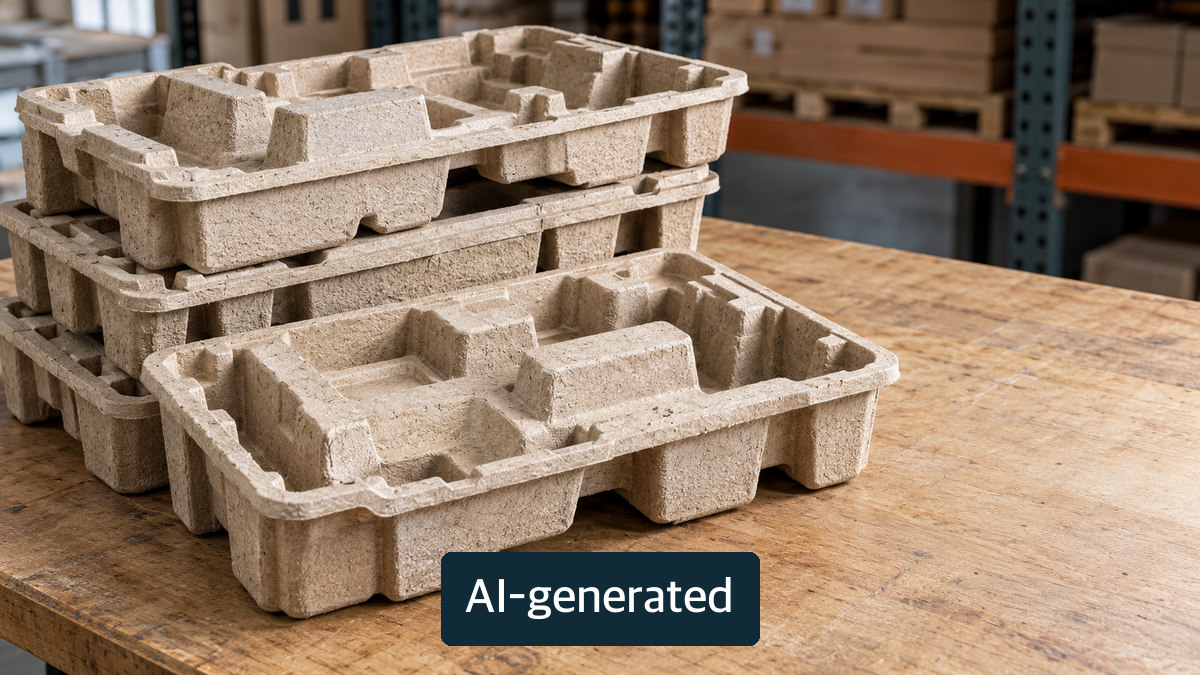
A central issue in the public notice is whether the records link raw-material purchases → pulping batch → molding production → the particular export and import entry. Examining responses involving Malaysian suppliers YCS and Kooka Paper, CBP described gaps in origin documentation for some scrap inputs and in the identification connecting raw-material invoices, pulping records and finished production. Freight documents, supplier profiles and factory photos alone did not resolve those gaps in the entries reviewed. The observation concerns the particular record, not every product those companies make.
Nor is this a rule that any finished article made with Chinese inputs must automatically be of Chinese origin. The processing actually performed, scope of the applicable orders and evidence for each entry need separate analysis. An exporter can ask a supplier how inbound material identifiers, pulping and molding batches, output quantities, shipping lots and entry documents connect. That is our practical document-check proposal, not a new universal CBP form requirement.

The bounded takeaway
Despite the words “paper” or “fiber,” the relevant merchandise here is the thermoformed molded-fiber product within the identified antidumping and countervailing-duty orders and case record. A September interim measure cannot replace a final origin or evasion determination. Track the eventual CBP decision and each entry’s requests without presenting an allegation as a concluded violation.
About the Author
PackingMaster: Editor of PaperPackLog, covering paper-packaging industry developments, products and technical decisions.
References
- CBP, EAPA consolidated case 8308 document page, September 9, 2026 notice
- CBP, public notice of initiation and interim measures (PDF), September 9, 2026 — Attachment to the preceding page, not an independent second source.
- PAPNEWS, industry reaction and investigation-stage report, October 16, 2026 — Industry reaction does not constitute an independent CBP ruling.