
EU PPWR often dominates packaging regulation discussions, but companies exporting to the United States should also watch state-level packaging EPR. The U.S. does not operate as a single federal packaging rulebook. California, Oregon, Colorado, Maine, and other states are developing their own producer responsibility systems.
This article focuses on California and Oregon. For Korean and other overseas suppliers, the practical message is clear: packaging specifications, material data, weight records, and recyclability assumptions need to be organized before customers ask for them.
Why U.S. packaging EPR needs separate attention
EPR means Extended Producer Responsibility. It shifts more responsibility for collection, recycling, and post-use management of products and packaging to producers.
For packaging buyers and exporters, three issues matter most.
- You must be able to explain the material structure of each packaging item.
- Recyclability, recycled content, and packaging weight data may need to be managed by SKU or packaging code.
- U.S. customers, importers, or brand owners may ask overseas suppliers for source data needed for state EPR reporting.
In other words, U.S. EPR is not only a legal topic for the customer. It affects purchasing, quality, sales, and packaging specification management.
What California SB 54 signals
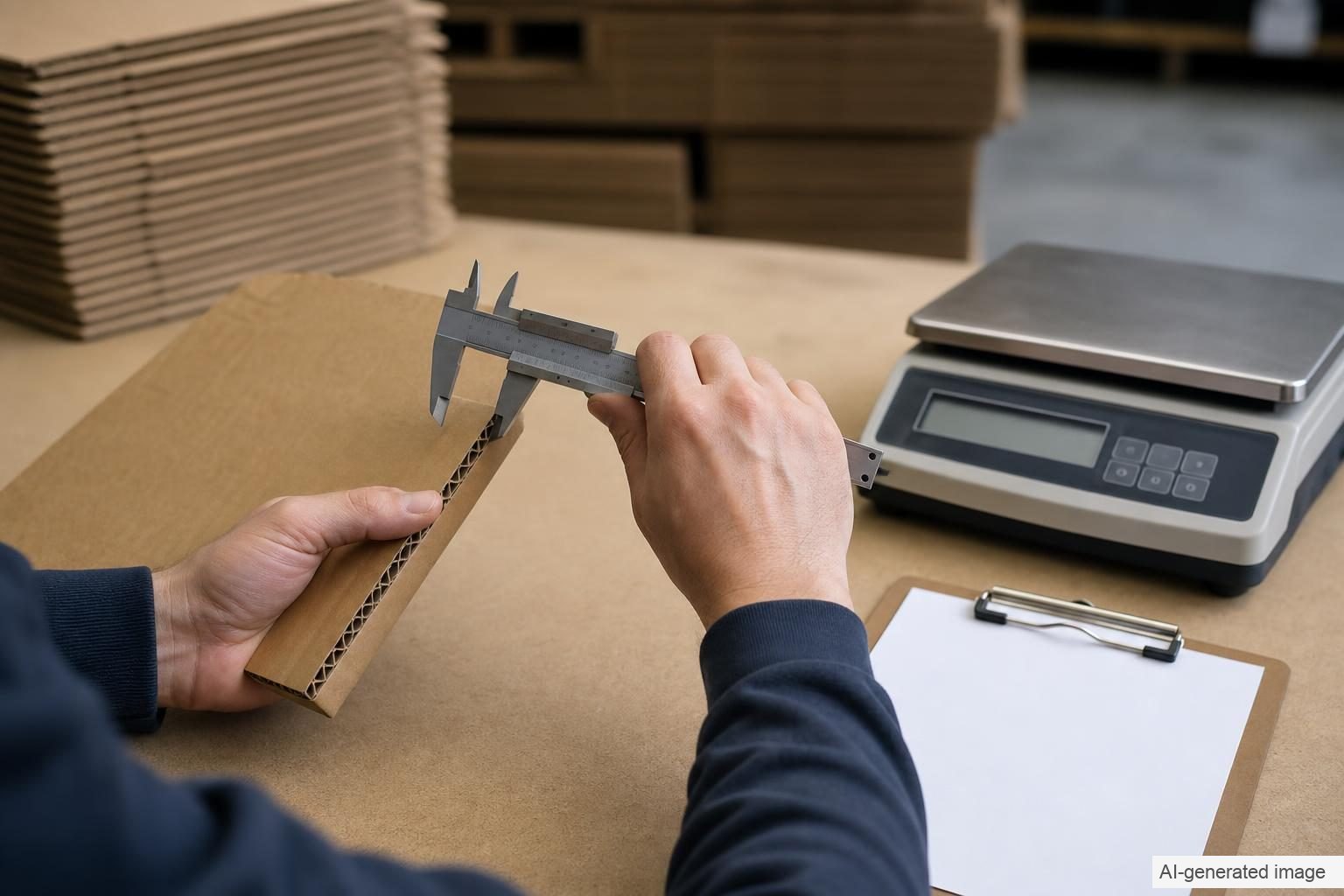
CalRecycle announced that permanent regulations for SB 54, the Plastic Pollution Prevention and Packaging Producer Responsibility Act, were approved and became effective upon filing on May 1, 2026. CalRecycle also describes SB 54 as an EPR program for packaging and single-use plastic food service ware.
The important point for exporters is not a single date or number. California is moving from general sustainability language toward concrete categories, producer responsibility organization processes, producer guidance, and determinations around recyclability or compostability.
A customer selling into California may ask questions such as:
- What material category does the packaging belong to?
- Is it mono-material or a composite structure?
- What is the basis for a recyclability or compostability claim?
- Are coatings, laminates, labels, adhesives, or windows used?
- Can packaging weight and shipment volume be calculated?
- What data does the importer or brand owner need for EPR reporting?
A quotation alone is not enough to answer these questions. Material composition, component weights, change history, and packaging-level classification need to be available.
What Oregon’s Recycling Modernization Act shows
Oregon DEQ explains that the Plastic Pollution and Recycling Modernization Act builds on local recycling programs while drawing on producer resources. The law was passed in 2021, took effect on January 1, 2022, and program changes begin in July 2025.
Oregon’s model highlights a practical reality: packaging EPR becomes an operating system. It includes program plans, responsible end markets, reporting, cost sharing, and continuing administrative updates.
For exporters, this means packaging data should not be created only when a customer sends an urgent request. It becomes a reusable dataset that must be updated when packaging materials or suppliers change.
Practical impact on export packaging
Companies shipping products to the U.S. usually focus on product specifications, packaging dimensions, customs documents, and origin information. As packaging EPR expands, the packaging itself becomes a separate compliance data object.
Useful preparation steps include:
- Divide U.S.-bound packaging into sales packaging, grouped packaging, and transport packaging.
- Record material, weight, coating, label, and adhesive information by packaging component.
- Separate paper, plastic, composite, and food service items.
- Ask customers which U.S. states their products are sold into.
- Reflect EPR reporting data needs at the quotation and ordering stage.
- Define when packaging changes must be reported to customers.
- Avoid absolute recyclability claims unless they are checked against local systems.
The key is to avoid the simple assumption that paper packaging is always safe. Coatings, laminates, windows, labels, and mixed cushioning materials can change how a local recycling system evaluates the package.
Fields to add to packaging specifications
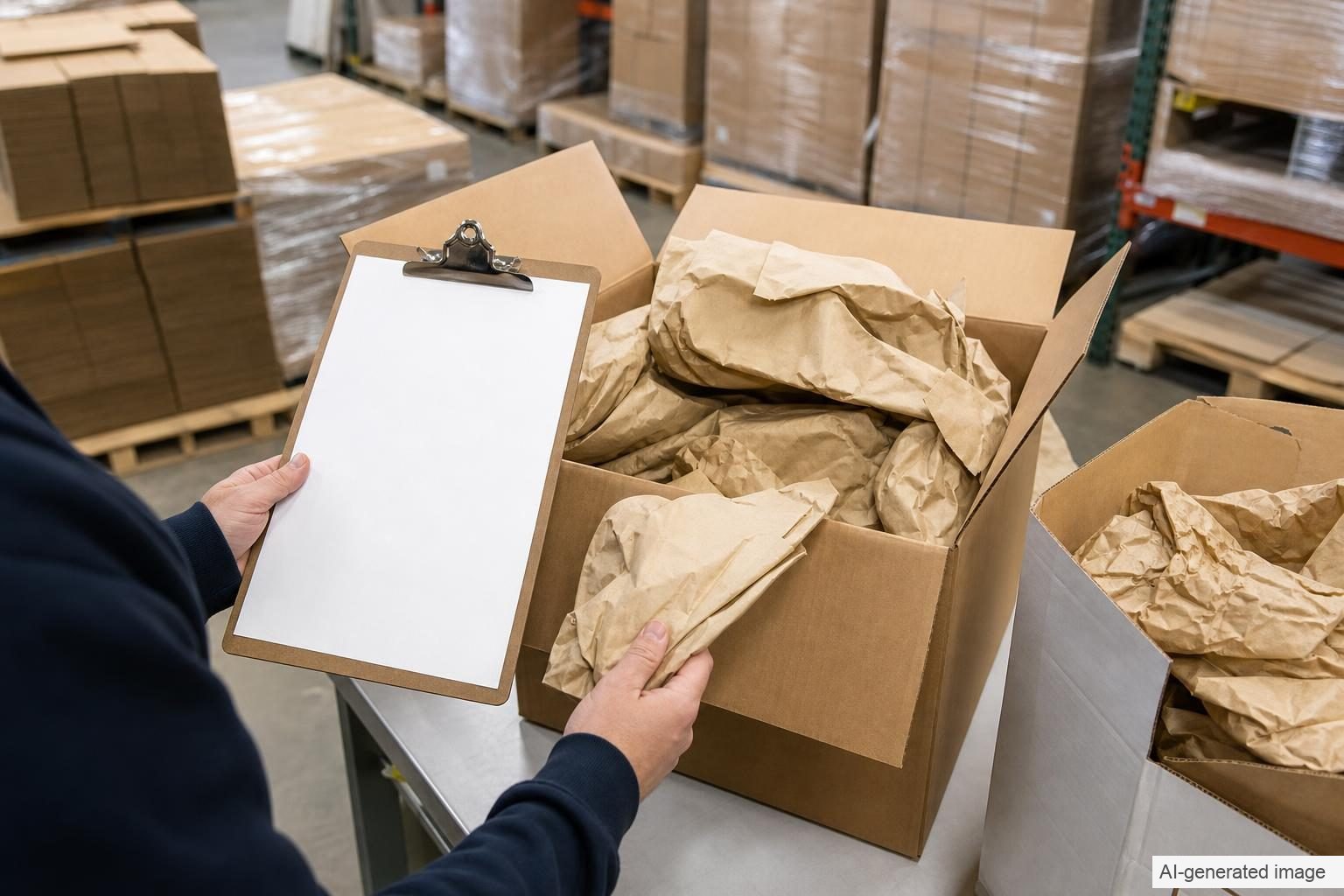
For U.S. EPR readiness, a packaging specification sheet should consider adding:
- Packaging level: sales, grouped, or transport packaging
- Main material and auxiliary materials
- Component-level weight
- Recycled content status and percentage
- Coating, lamination, printing, and adhesive details
- Internal basis for recyclability or sorting claims
- U.S. states or customer reporting requirements
- Packaging supplier and manufacturing site
- Specification change date and reason
- Documents that can be shared with customers
Some of these fields overlap with PPWR work, but they should be reorganized for U.S. state-level reporting needs rather than copied directly from an EU-only template.
Conclusion
California and Oregon send a clear signal to exporters: packaging is no longer just a secondary material. It is becoming a managed data object connected to recycling systems, cost allocation, and producer responsibility.
The first step is not a large system build. Start with a packaging list for U.S.-bound products and organize materials, weights, coatings, labels, and the basis for recyclability claims by packaging code. If the work begins only after a customer requests EPR data, it will already be late.
About the Author
PackingMaster: Editor of PaperPackLog. We organize market trends, product information, and technical insights for the paper packaging industry.
References
- CalRecycle, SB 54 Permanent Regulations are Approved and in Effect, https://content.govdelivery.com/accounts/CALRECYCLE/bulletins/4157d91
- CalRecycle, SB 54: Plastic Pollution Prevention and Packaging Producer Responsibility Act, https://calrecycle.ca.gov/packaging/packaging-epr/
- Oregon Department of Environmental Quality, Plastic Pollution and Recycling Modernization Act, https://www.oregon.gov/deq/recycling/Pages/Modernizing-Oregons-Recycling-System.aspx