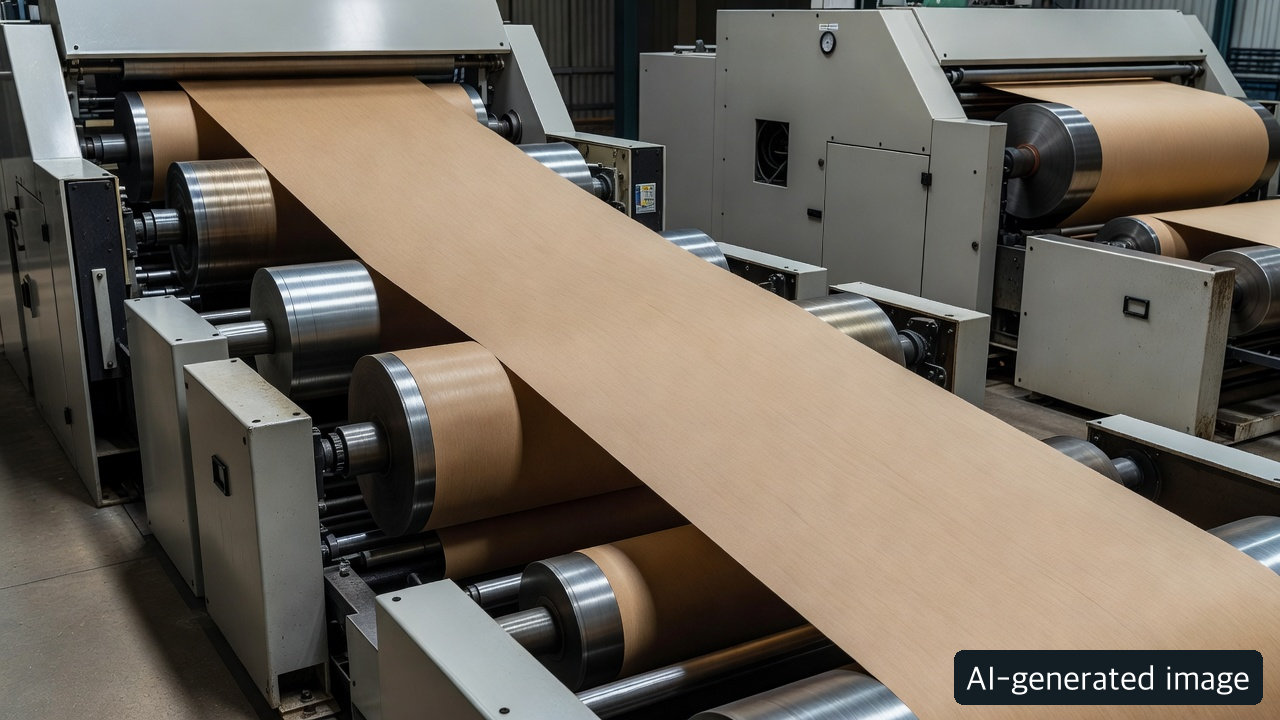
A product launch is not a verified result on your machine. On September 29, Valmet announced an updated sizer-roll-cover portfolio. The useful questions for a containerboard producer are which cover is being proposed for which application and what operating data would justify adoption. The trial framework below is our editorial proposal, not a measured outcome for these products or a supplier-approved machine setting.
Separate the three products and their claims
In its September 29, 2026 release, Valmet introduces three new covers. CF-M and CF-EC are polyurethane covers in the CF family; the company emphasizes wear resistance and longer regrinding intervals. SH-EC is a rubber cover that the supplier describes as designed for uniform film transfer in the presence of hydrophobic sizing agents, especially in containerboard film sizing. Intended use and performance language from a supplier do not amount to site approval on a particular board grade.
A Valmet manager says laboratory and mill testing was conducted and gives an example in which a glassine-paper mill’s CF-M roll-change interval increased up to threefold. The public release does not give the customer identity, baseline operating conditions, trial duration or raw measurements for that example. More importantly, a CF-M glassine case is not an SH-EC containerboard result. A September 30 Pulpapernews article repeats the supplier release and quotation; the second URL is not a second independent customer trial.
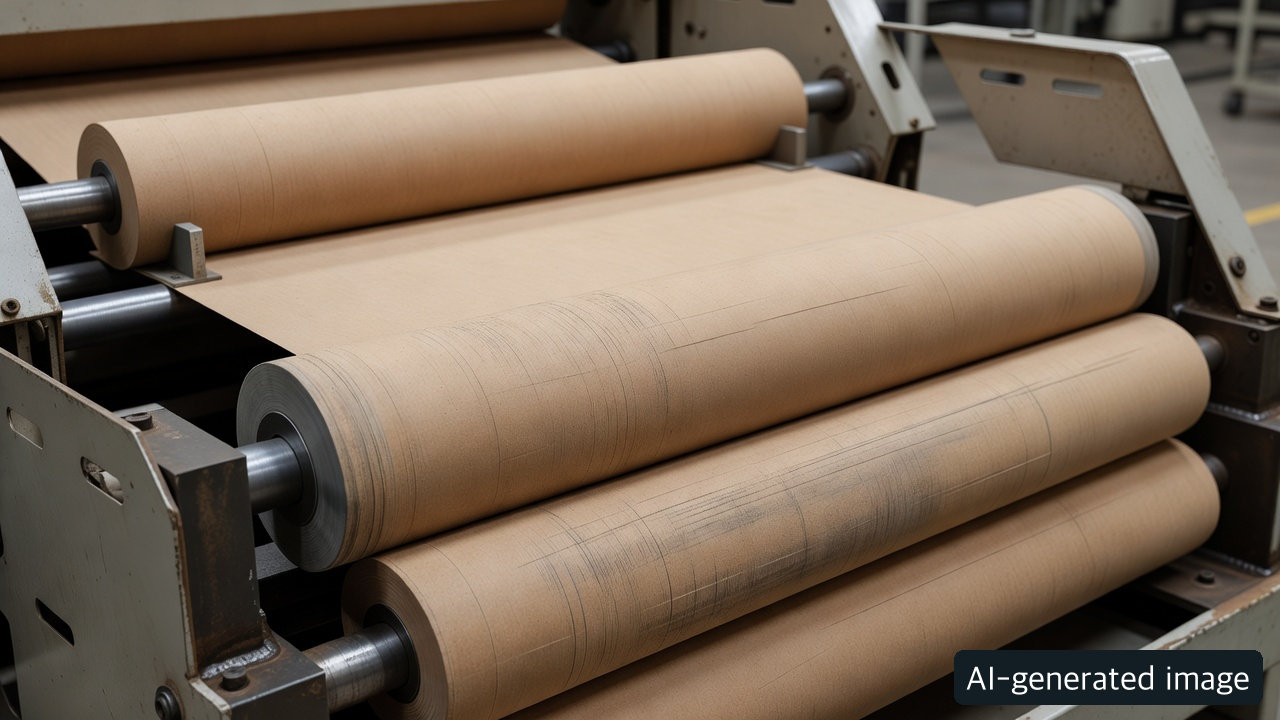
Make a grade-specific trial comparable
For SH-EC suitability or CF-family regrinding decisions, pair supplier documents with actual run sheets under one trial ID. The following are questions to investigate, not results already reported in the public sources:
- Baseline and scope: record the existing cover and roll position, board grade and grammage, size formulation including any hydrophobic ingredient, machine speed, nip conditions and drying state. Who approves machine-specific safe limits and the trial procedure?
- Transfer and quality: on comparable grades and formulations, compare size pickup, cross-machine profile, surface uniformity, streaks or contamination and finished-board rejects. If operating conditions change, classify the result as a separate trial rather than a clean cover-only comparison.
- Cover life: record wear location, regrind timing and removal, reasons for roll changes, planned and unplanned downtime, cleaning and maintenance under comparable time and output bases. A regrinding interval is not the same metric as a roll-change interval.
- Adoption decision: are target quality and safety maintained while downtime, rejects and maintenance remain within site limits? Separate vendor proposals from customer measurements and carry a change record into subsequent lots.
To isolate a cover effect, keep grade, size chemistry and operating conditions comparable where practical, or explicitly record every changed variable. Do not turn the glassine anecdote into a forecast of containerboard savings, uptime or procurement payback. Without customer data and a disclosed comparator, it remains a supplier-reported case.
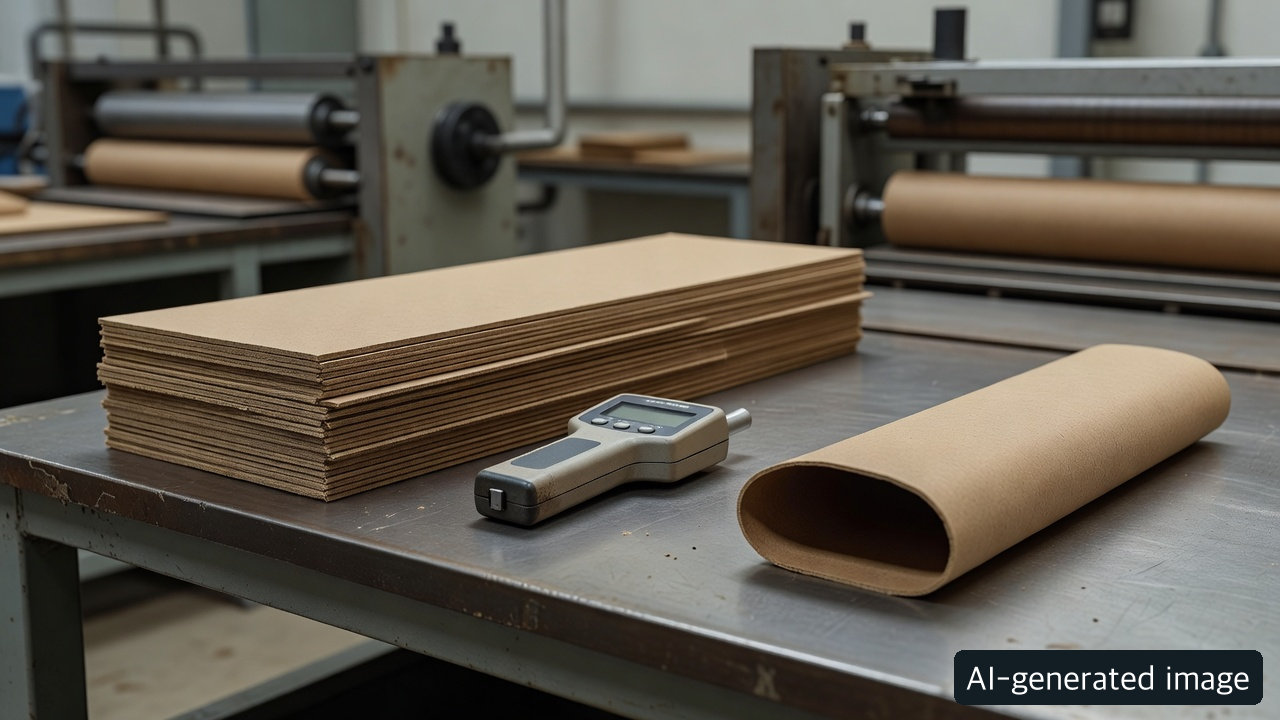
Request evidence in stages
First ask the supplier for the proposed cover’s material and intended application, permitted operating and cleaning conditions and machine safety documentation. Then request a trial plan identifying your own grade and size formulation, before-and-after transfer, wear and maintenance records against the incumbent cover, and any shareable anonymized customer run sheets. Until such records can be assessed, label the public information product launch and proposed application, not containerboard mill performance proven. Promoting it to the latter status requires measurements and quality/maintenance approval from the relevant line.
About the Author
PackingMaster: Editor of PaperPackLog. Covers market trends, product insights, and technology in the paper packaging industry.
References
- Valmet, “Valmet launches renewed sizer roll cover portfolio” — supplier release, September 29, 2026; its material, application and glassine example are supplier statements without published customer raw data.
- Pulpapernews, “Valmet launches renewed sizer roll cover portfolio” — September 30, 2026 republication of the supplier announcement, not independent mill testing.