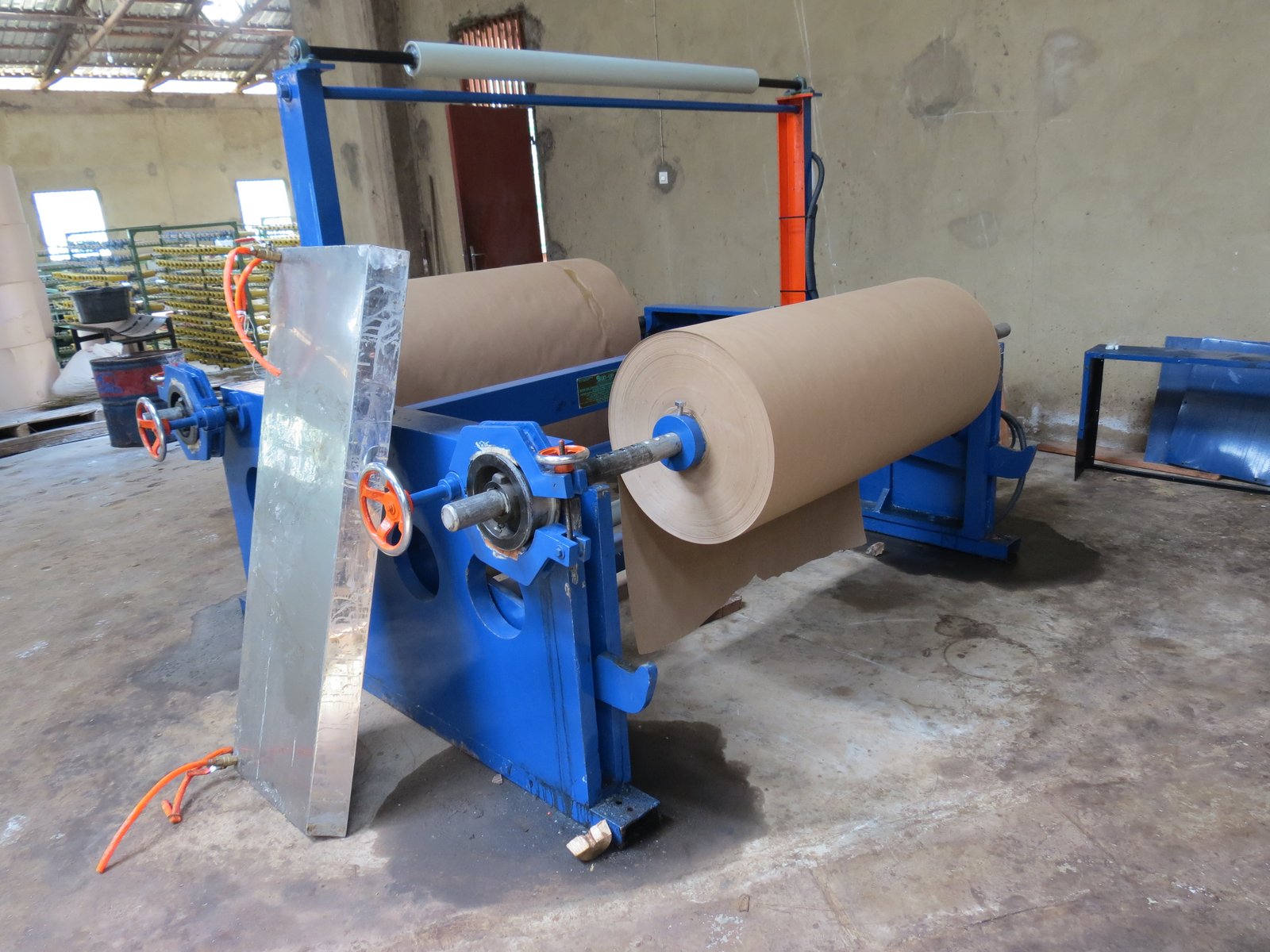
Australian packaging producer Visy said in its October 21 announcement that it had invested A$30 million in a 2.8-metre-wide corrugator at its Smithfield board factory in western Sydney. The company expects real-time monitoring and digital process optimisation to speed production and changeovers, lifting board output by 33%. This is a company statement about one facility, not an independently measured increase in regional supply or customer shipments.
What the announcement supports
A corrugator heats, shapes and bonds paper layers to make corrugated board, which is then cut for box making. Visy says more consistent strength and flatness will support high-speed packing lines and shelf-ready applications. The announcement does not supply a pre- and post-installation table of monthly output, production speed by specification, defects, downtime or changeover losses. The 33% figure is therefore Visy’s stated uplift in board output at Smithfield, not a validated measure of every box grade’s performance or actual sales.
Visy also describes the site as including a major materials-recovery facility, two 100%-recycled paper mills, a box factory and a recycled-plastics facility. It says the Smithfield site employs more than 400 full-time people and forms part of an 18-site box network in Australia and New Zealand. These are the company’s descriptions of its footprint, not an independent return-on-investment calculation or a guarantee of improved delivery to a particular buyer.
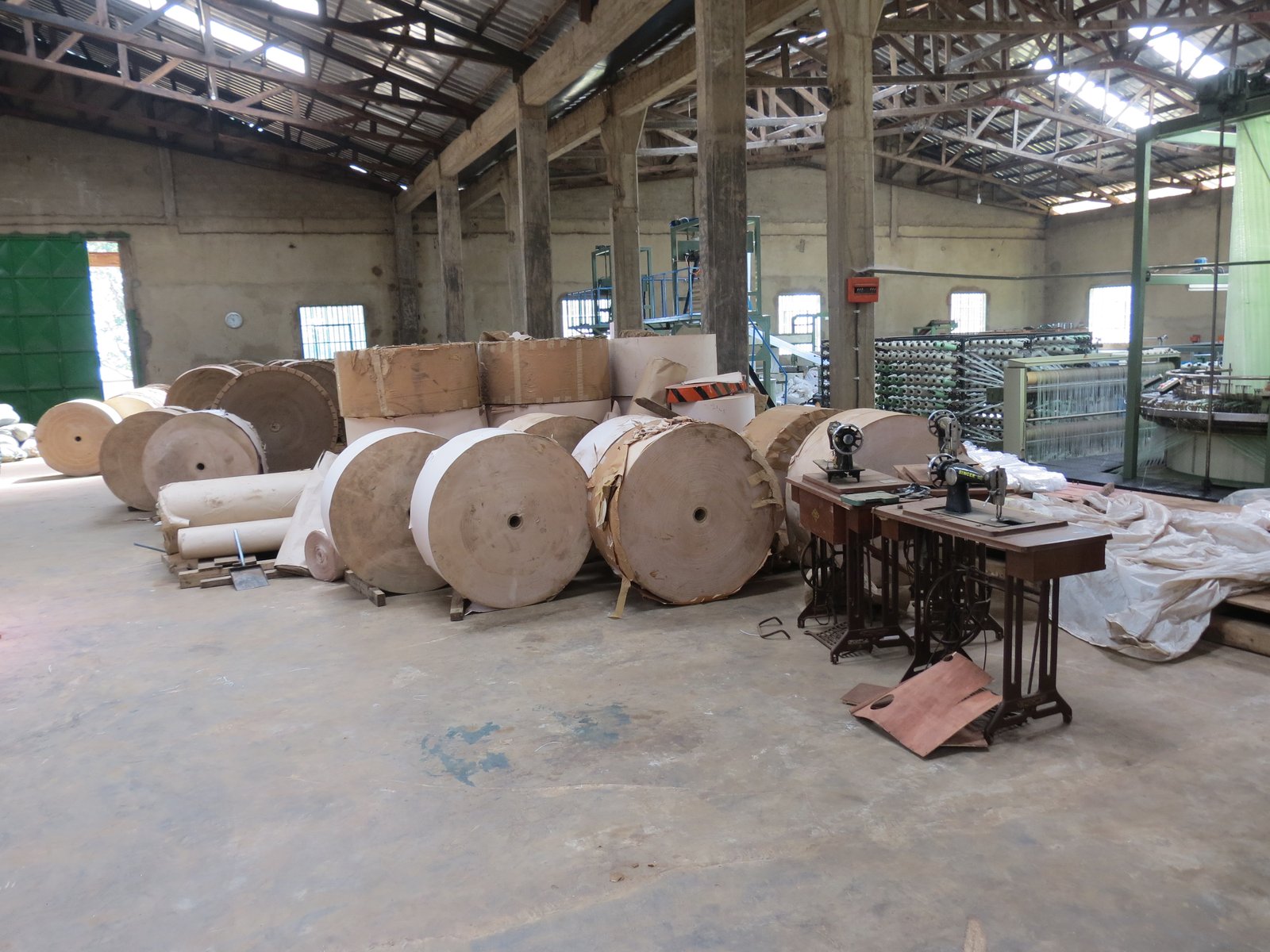 Photo: Bdx / Wikimedia Commons / CC BY-SA 4.0. Taken at a separate facility in Cameroon; not a photograph of Visy’s raw material or equipment. Resized and converted to JPEG.

Four checks for buyers and plant engineers
- Capacity denominator: Ask whether 33% describes design capacity or an average during normal operations, and whether changeover losses are included. Compare accepted board area, paper input and rework across like periods.
- Applicable grades: Match flute profiles, usable width, cut sizes, strength and flatness samples to the purchased specification. Do not assume every box design sees the same improvement.
- Downstream bottlenecks: Check whether more board can actually pass through printing, die-cutting and joining. A faster corrugator alone does not establish box shipments or service levels.
- Contract terms: Verify order quantities, changeover windows, defect handling and lead times in the customer’s actual agreement. A capital-investment press release does not amend a supply contract.
These are editorial due-diligence questions, not a Visy test report. A measured 33% gain, or quantified improvements in strength and flatness, would require like-for-like operating records before and after commissioning.
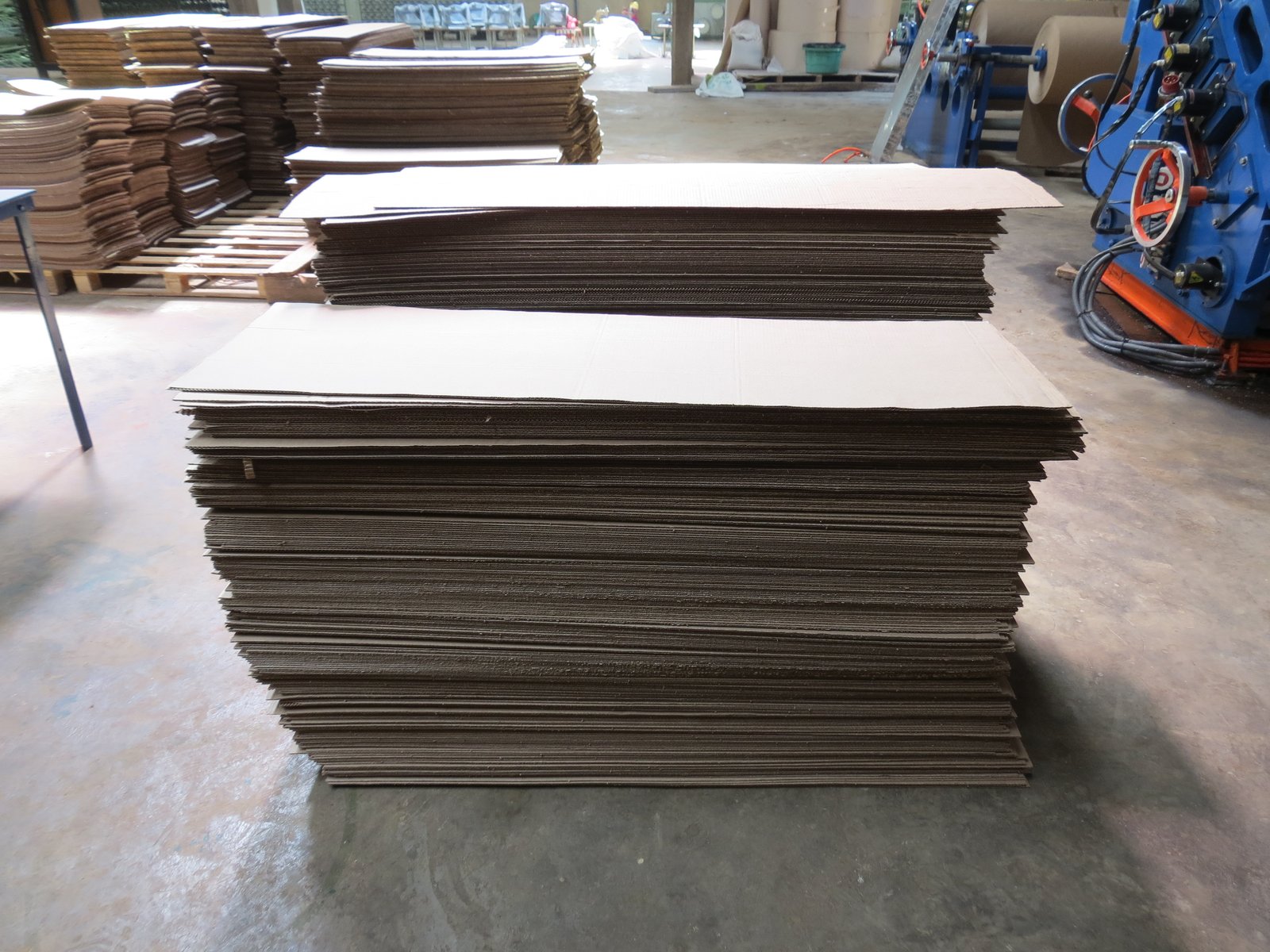 Photo: Bdx / Wikimedia Commons / CC BY-SA 4.0. Generic manufacturing example; resized and converted to JPEG.

Bottom line
The new corrugator investment and Visy’s output expectation are on record. A verified rise in monthly shipments, shorter customer lead times or lower prices is not. Evaluate effects with comparable production, quality and delivery data for the specific grades being purchased.
About the Author
PackingMaster: Editor of Paper Pack Log. We collect and organize market trends, product information, and technical insights for the paper packaging industry.
References
- Visy, “Visy invests in cardboard box manufacturing in Western Sydney”, October 21, 2026 — first-party source for investment, machine width, projected output and site details.
- Packaging News Australia, “Visy invests $30m in Smithfield factory”, October 21, 2026 — industry report restating Visy’s announcement, not independent measured output.
- Original image links and licences appear under the individual photos. None depicts the announced Visy machine or its location.