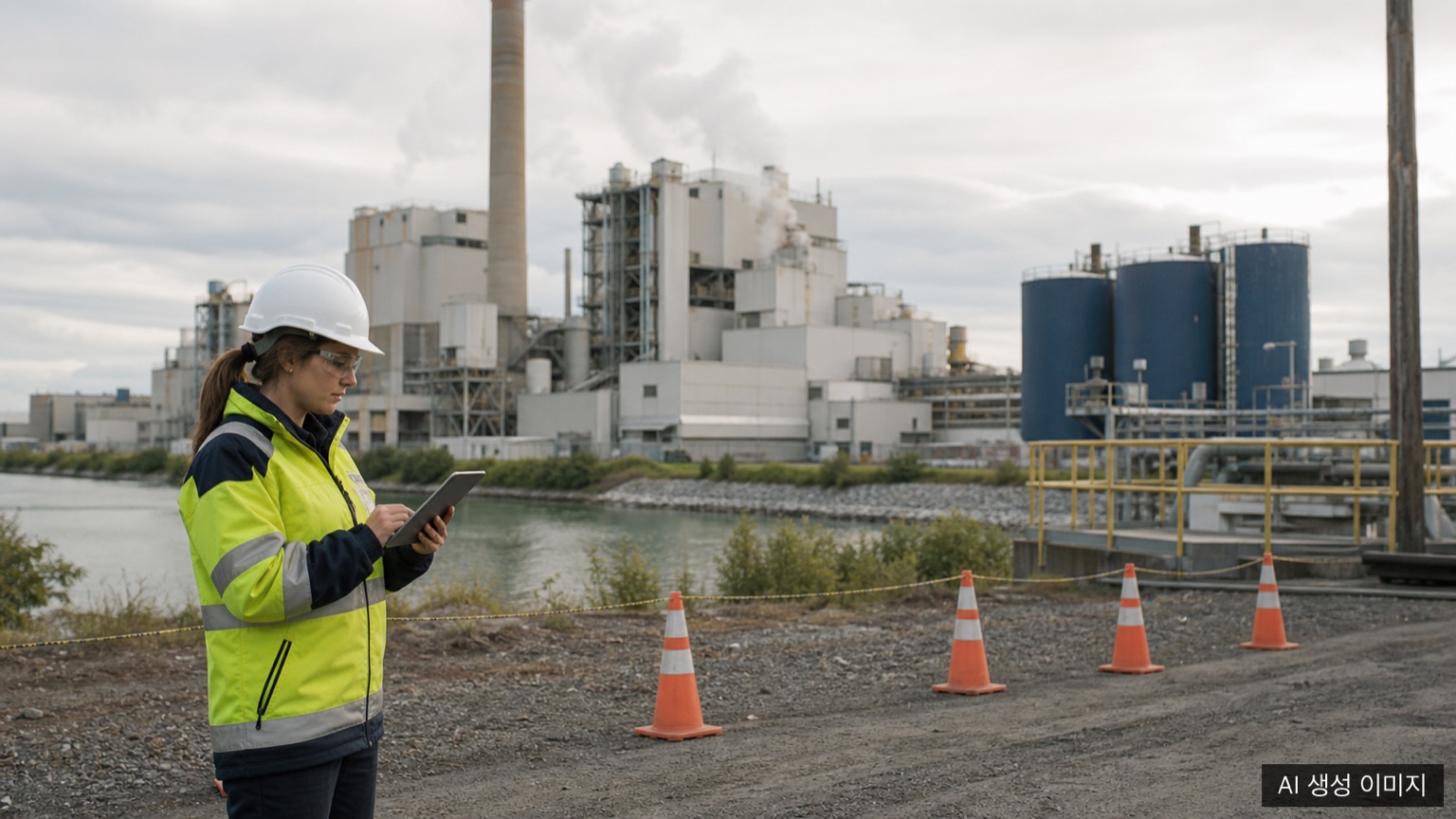
Paper packaging is often discussed through the lens of plastic reduction, recyclability, and lower-impact material choices. Those advantages matter. But the upstream paper packaging supply chain is not a simple or risk-free system. Pulp and kraft paper production involves large industrial equipment, corrosive chemicals, wastewater systems, and emergency response planning.
The May 26, 2026 incident at Nippon Dynawave Packaging in Longview, Washington is a clear reminder. Korean reports from YTN and Newsis, citing AP coverage and local authorities, described a chemical tank rupture at a paper mill that injured at least 10 people and involved fatalities and missing workers. The U.S. Chemical Safety and Hazard Investigation Board opened an investigation on May 27, and the Washington State Department of Ecology published spill-response updates involving white liquor.
This article does not determine the cause of the incident. That must wait for official investigation results. The practical point for packaging buyers, quality teams, and ESG managers is narrower: paper packaging procurement should include safety and environmental risk questions, not only price, strength, and recyclability.
What happened: white liquor and the kraft process
According to public updates, the incident occurred at Nippon Dynawave Packaging’s pulp, paper, and liquid packaging-related facility in Longview, Washington. The Washington State Department of Ecology identified the incident date as May 26, 2026 and the incident type as white liquor. The CSB stated that the incident involved the rupture and implosion of a large tank containing white liquor, with initial reports of multiple fatalities and serious injuries.
White liquor is a strongly alkaline chemical solution used in kraft pulping to break wood chips down into fibers. It commonly contains sodium hydroxide and sodium sulfide and is highly corrosive. Kraft paper is then connected to many paper-based packaging applications, including bags, boxes, cups, cartons, and related materials.
That is why a paper mill tank incident matters to packaging supply chains. The kraft process sits upstream of many paper packaging materials, and the safety and environmental controls around that process can affect production continuity, customer documentation, and supply reliability.

Environmental risk: drainage, dikes, and river protection
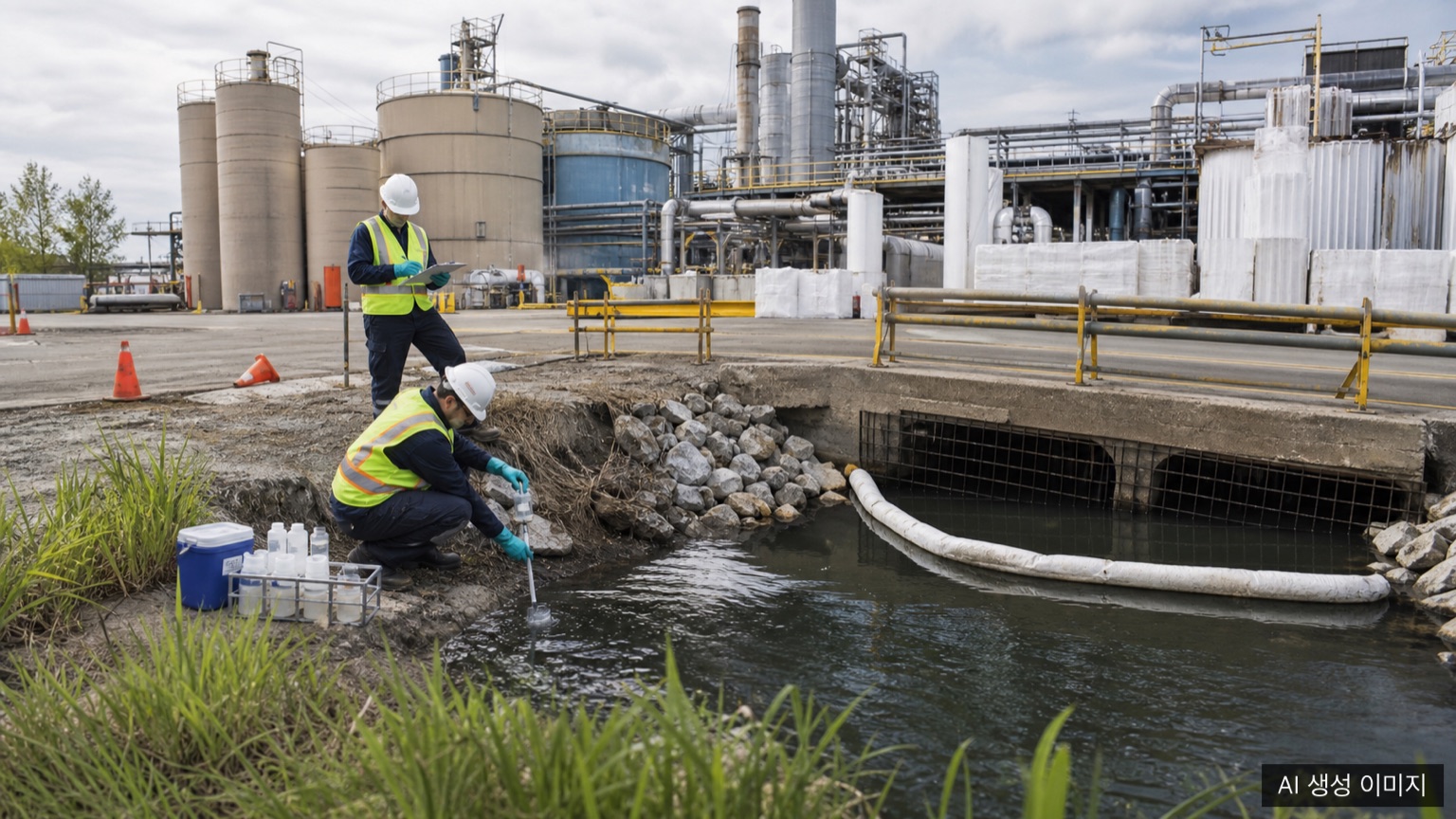
The incident also shows why environmental controls should be part of supplier review. The Washington State Department of Ecology said white liquor was released from a storage tank and that the spill impacted the storm drain system. That system connects to a county dike system, which can pump water into the Columbia River. Ecology said the dike system closed its pumps to the river and, at the time of the update, there was no indication that the Columbia River had been affected.
For paper packaging, environmental risk is not limited to whether the finished package can be recycled. It also includes pulping chemistry, chemical storage, wastewater treatment, stormwater isolation, emergency shutoff procedures, and nearby waterways. When large mills operate near rivers or ports, emergency response is not confined to the factory fence.
Packaging buyers can add several questions to supplier reviews:
- What are the environmental permits and recent compliance records of key pulp and paper suppliers?
- How are corrosive chemicals stored, inspected, and transferred?
- Are stormwater, wastewater, and river discharge isolation procedures documented?
- Can the supplier provide environmental incident-response information when customers request ESG documentation?
- If a material depends on one mill, is an approved backup source available?
Safety risk is supply stability risk
In industrial procurement, safety is both a compliance issue and a supply stability issue. If a major tank, boiler, dryer, chemical recovery system, or wastewater asset fails, production can stop. Site access restrictions, regulatory investigations, residual chemical removal, equipment stabilization, and repairs can all affect lead time and price.
The packaging market has already seen how mill fires, work stoppages, and containerboard disruptions can move through box supply and pricing. Overseas raw material chains are no different. Materials such as kraft paper, linerboard, and liquid packaging board may depend on specific mills and specialized processes. When an incident occurs, the operational risk can quickly become a procurement risk.
The goal is not to judge a company from one headline. It is to use the headline as a prompt for better supplier questions. Some of the most important stability factors are not visible in a quotation sheet.
Practical checks for paper packaging buyers
For companies buying or recommending paper packaging, upstream risk can be reviewed through five practical areas.
1. Material specification and production site
Identify which process and production sites support each material: kraft paper, linerboard, folding boxboard, liquid packaging board, or specialty paper. Recovered-fiber paper and virgin-pulp kraft grades have different upstream risk profiles.
2. Operating history, not just certificates
Certificates are useful, but buyers should also review recent incidents, regulatory actions, discharge management, maintenance investment, and shutdown history where public information is available.
3. Chemicals and wastewater
Chemicals are unavoidable in paper packaging supply chains. White liquor, adhesives, coatings, inks, water-resistant treatments, and bleaching-related chemicals should be described by function and controlled separately from food-contact or recyclability claims.
4. Single-source exposure
Materials tied to one mill or one imported grade are more exposed to industrial incidents, port delays, logistics disruption, and regulation. Approved drawings, print color standards, and strength test data should be transferable to backup suppliers where possible.
5. Customer-facing language
“Eco-friendly paper packaging” is no longer enough. Customers increasingly ask where a material is made, whether it has a backup source, and how environmental risk is managed. Proposals should explain recyclability, supply continuity, and documentation boundaries together.
Safer wording for proposals
Paper packaging claims become more credible when they include management conditions:
- Instead of “recyclable eco-friendly packaging,” use “the main material is paper-based; recyclability should be checked against coating, adhesive, and label composition.”
- Instead of “kraft paper is eco-friendly,” use “kraft paper offers strong tensile and durability properties; upstream safety and environmental documentation is confirmed according to supplier records.”
- Instead of “supply is secure,” use “primary paper sources and technically approved alternatives are managed separately, and single-source items are reviewed for safety stock.”
This language is less flashy, but it is safer and more useful. It does not weaken the value of paper packaging. It explains the value together with the conditions needed to manage it responsibly.
Closing thoughts
The Washington paper mill chemical tank incident is still under investigation. Cause and responsibility should be left to the official process. But for packaging supply chains, the lesson is already clear: paper packaging is connected to chemical handling, large process equipment, wastewater systems, and emergency response at the raw material stage.
Paper packaging proposals should move beyond the simple statement that paper is environmentally preferable. Recyclability, strength, cost, and lead time still matter, but safety and environmental risk management should sit beside them. That is how packaging suppliers can respond better to ESG audits and real supply disruptions.
About the Author
PackingMaster writes practical B2B content on paper packaging, corrugated boxes, export packaging, and sustainable packaging regulations. The focus is on checklists and decision criteria that procurement, quality, and logistics teams can use together.